campeón
“campeón” means “champion” in Spanish. It has 2 different meanings depending on context:

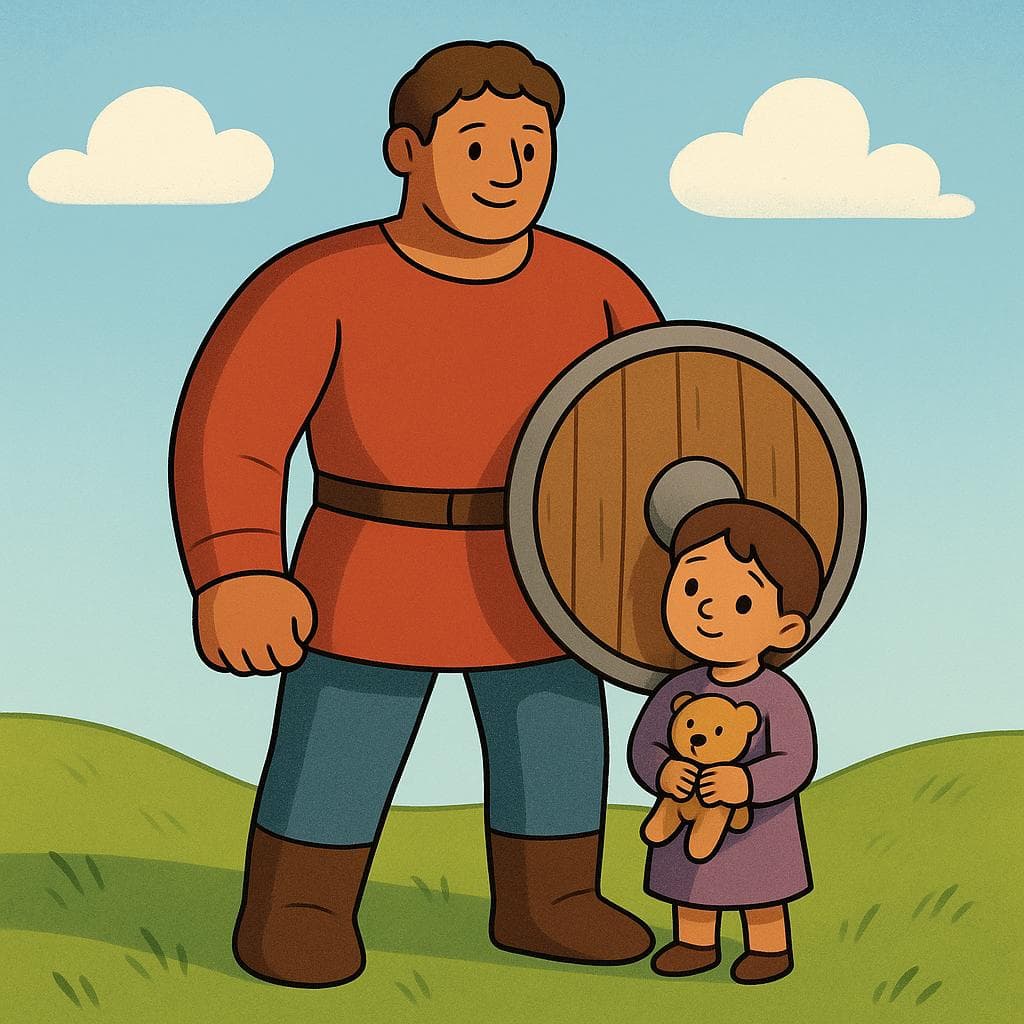
champion
Also: winner
📝 In Action
El equipo local es el campeón de la liga de baloncesto.
A2The local team is the champion of the basketball league.
Mi hermano es el campeón de los videojuegos en nuestra casa.
A1My brother is the video game champion in our house.
El boxeador se mantuvo campeón mundial por cinco años.
B1The boxer remained world champion for five years.
defender
Also: proponent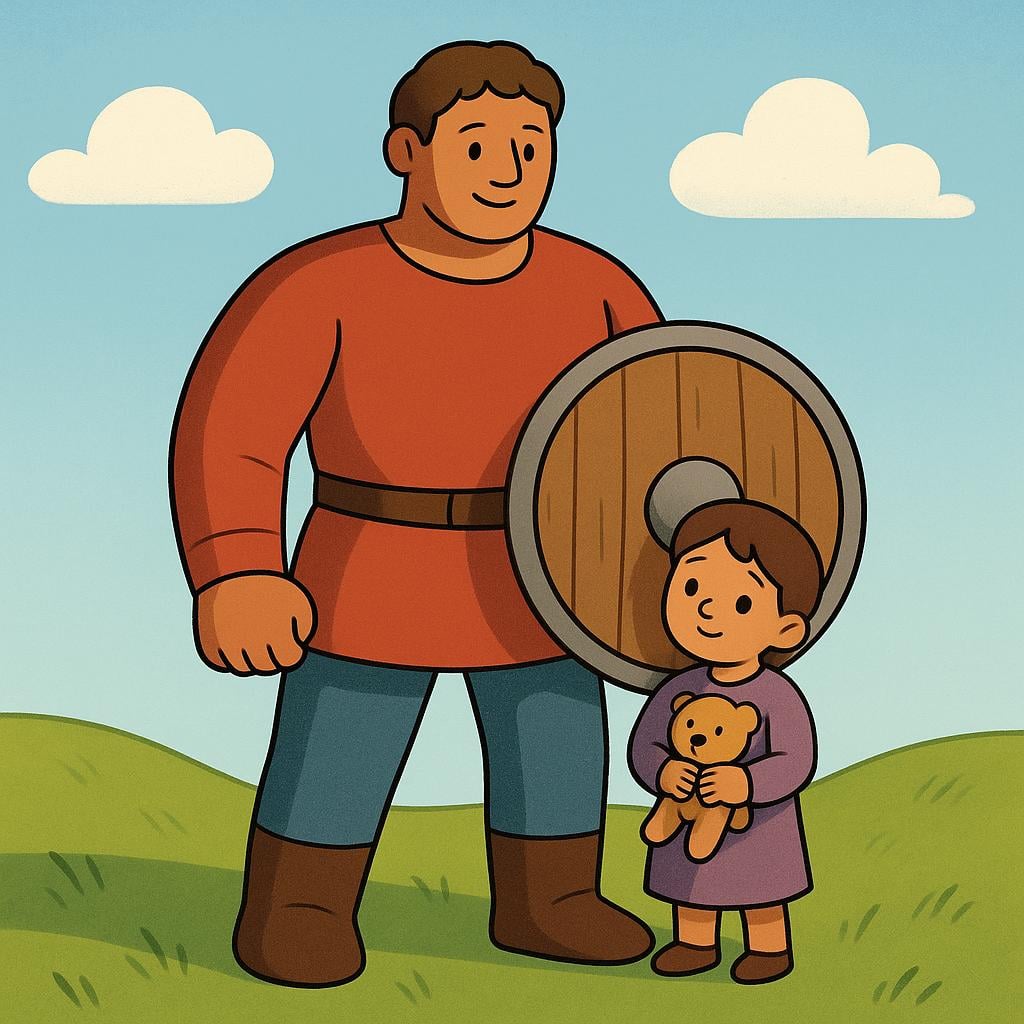
📝 In Action
Ella es una campeona de los derechos humanos y nunca se rinde.
B1She is a champion (defender) of human rights and never gives up.
Necesitamos un campeón que luche contra la corrupción.
C1We need an advocate who will fight against corruption.
✏️ Quick Practice
Quick Quiz: campeón
Question 1 of 1
Which sentence uses 'campeón' in its figurative sense (as a defender of a cause)?
📚 More Resources
👥 Word Family▼
🎵 Rhymes▼
📚 Etymology▼
The word comes from the Late Latin word *campiōnem*, which originally meant 'fighter' or 'combatant.' It is related to the Latin word *campus*, meaning 'field' or 'plain,' where contests often took place. The idea evolved from a warrior on a field to a winner of any contest.
First recorded: Around the 13th century in Spanish.
Cognates (Related words)
💡 Master Spanish
Take your Spanish to the next level. Read 200+ illustrated and narrated Spanish stories tailored to your level with the Inklingo app!
Frequently Asked Questions
¿Cómo se dice 'champion' si la persona es mujer?
If the champion is a woman, you must use the feminine form: 'campeona.' The meaning is exactly the same, but the ending changes to match the person's gender.
¿Puedo usar 'campeón' para describir algo que no es una persona?
Yes, especially in informal conversation. You can say '¡Qué gol campeón!' (What a champion goal!) to mean it was excellent or perfect. It acts like an adjective meaning 'great' or 'the best.'