cerámica
“cerámica” means “pottery” in Spanish. It has 2 different meanings depending on context:
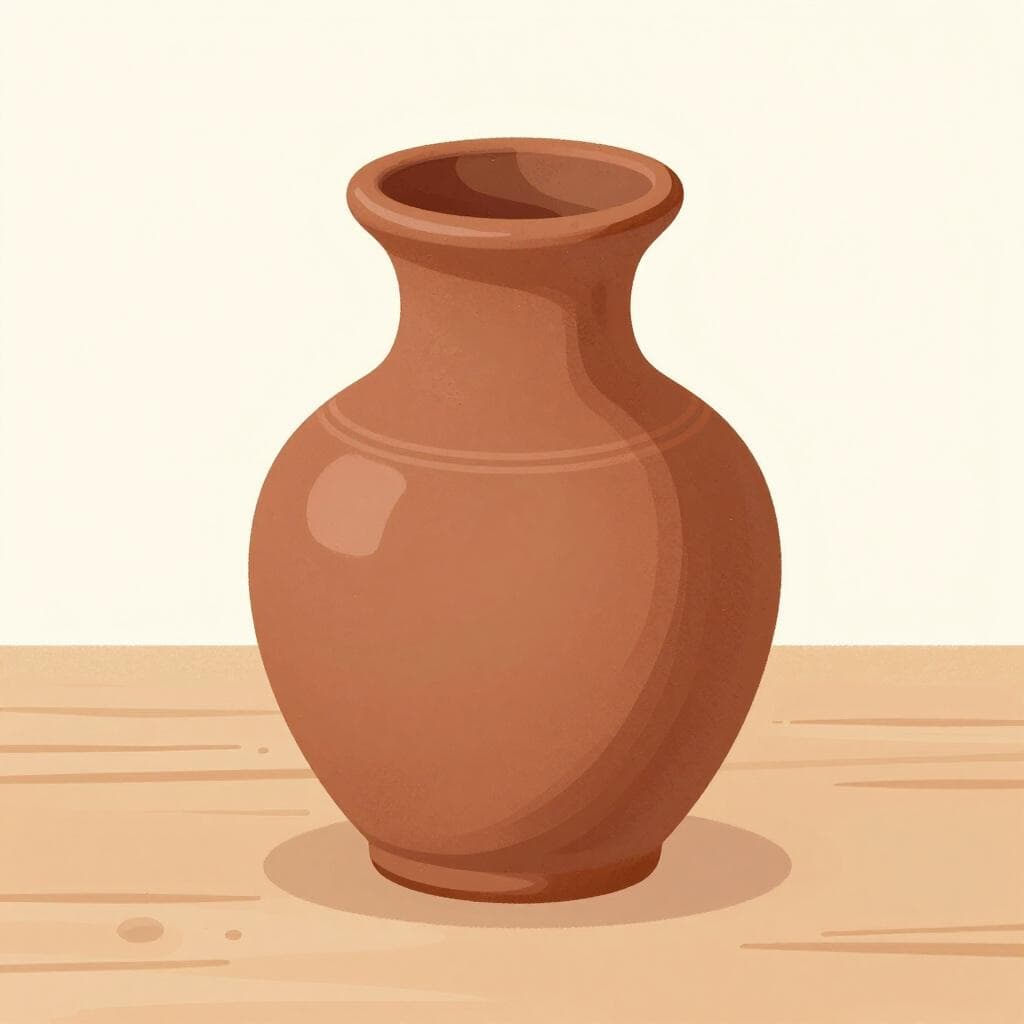

pottery, ceramics
Also: clay-work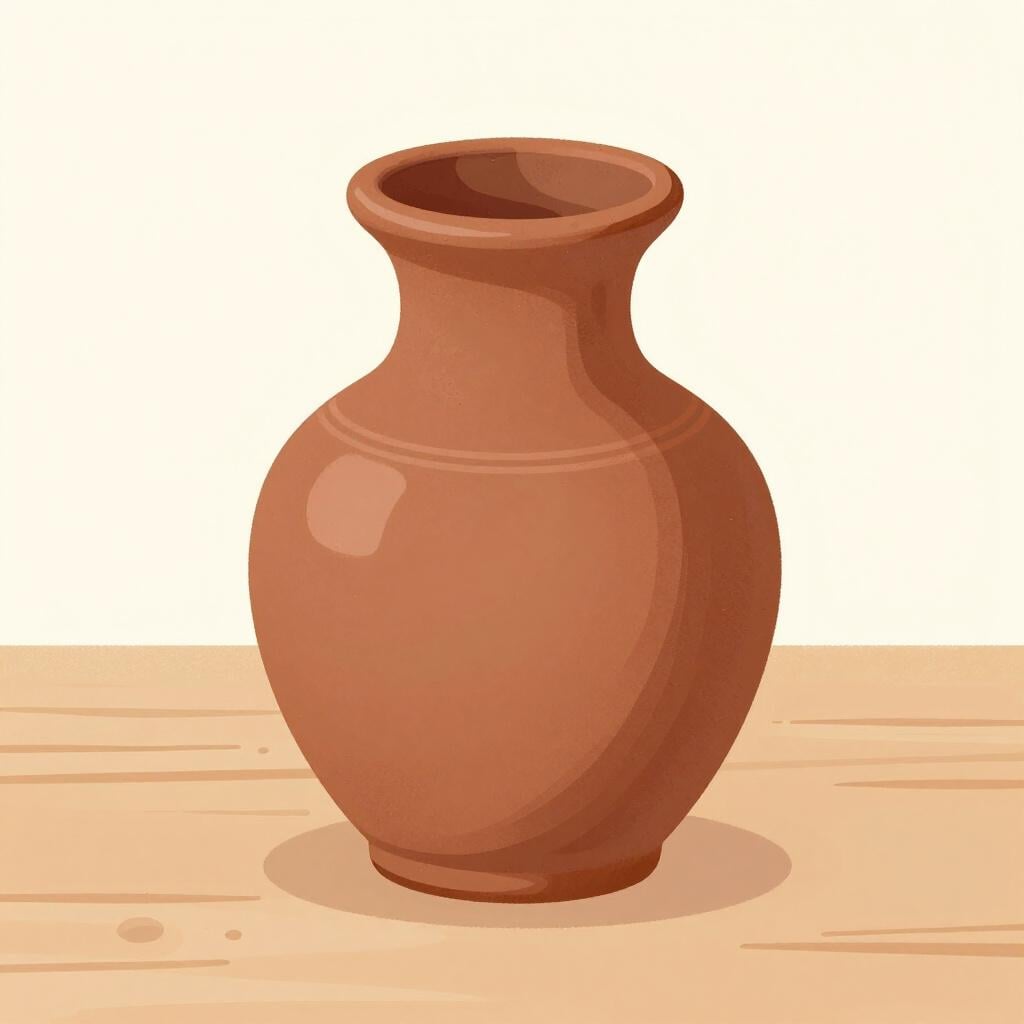
📝 In Action
Me gusta mucho esta taza de cerámica.
A1I really like this ceramic mug.
Ella toma clases de cerámica los sábados.
A2She takes pottery classes on Saturdays.
El museo exhibe cerámica antigua de Grecia.
B1The museum exhibits ancient ceramics from Greece.
tiles, flooring

📝 In Action
Queremos cambiar la cerámica de la cocina.
A2We want to change the kitchen tiles.
Esa cerámica es antideslizante.
B1Those tiles are non-slip.
Limpié toda la cerámica del baño.
A2I cleaned all the bathroom tiling.
Translate to Spanish
✏️ Quick Practice
Quick Quiz: cerámica
Question 1 of 3
If you are taking a class to learn how to make clay bowls, what are you studying?
📚 More Resources
👥 Word Family▼
🎵 Rhymes▼
📚 Etymology▼
From the Ancient Greek 'keramos,' which referred to 'potter's clay' or 'burned earth.' It moved into Latin and then into Spanish, keeping its connection to things made from fire and clay.
First recorded: 18th century (in its modern technical form)
Cognates (Related words)
💡 Master Spanish
Take your Spanish to the next level. Read 200+ illustrated and narrated Spanish stories tailored to your level with the Inklingo app!
Frequently Asked Questions
Is 'cerámica' always feminine?
Yes, as a noun referring to the art, the material, or the tiles, it is always feminine: 'la cerámica'.
What is a 'ceramista'?
A 'ceramista' is a person who creates ceramic art or works with ceramics professionally. It is a gender-neutral noun (el ceramista / la ceramista).
Can I use 'cerámica' for bathroom walls?
Yes, although 'azulejo' is also common for wall tiles, 'cerámica' is a perfectly acceptable general term for any tiling.