cerró
“cerró” means “closed” in Spanish. It has 3 different meanings depending on context:
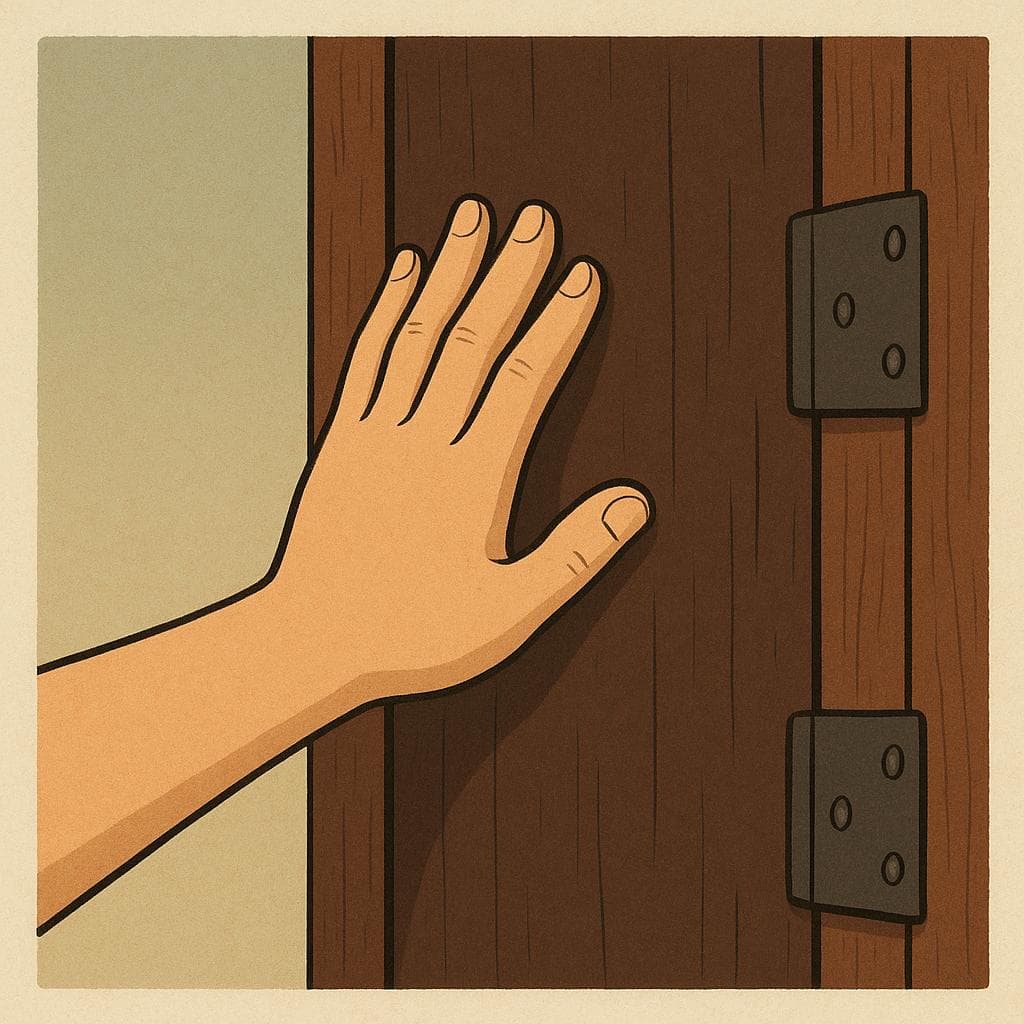

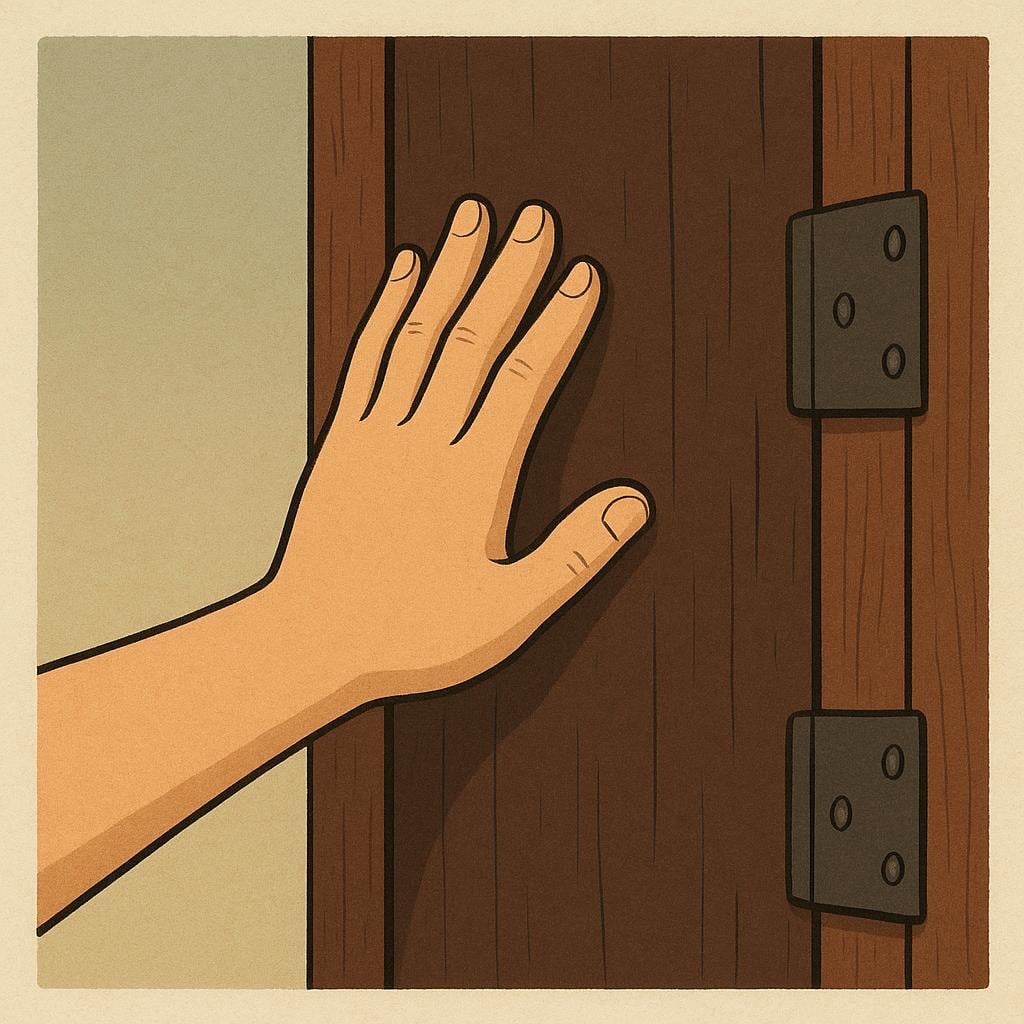
closed, shutAlso: locked
📝 In Action
Ella cerró la ventana porque hacía frío.
A1She closed the window because it was cold.
El perro cerró los ojos y se durmió.
A1The dog closed its eyes and fell asleep.
Usted cerró el libro antes de terminarlo.
A2You (formal) closed the book before finishing it.
Word Connections
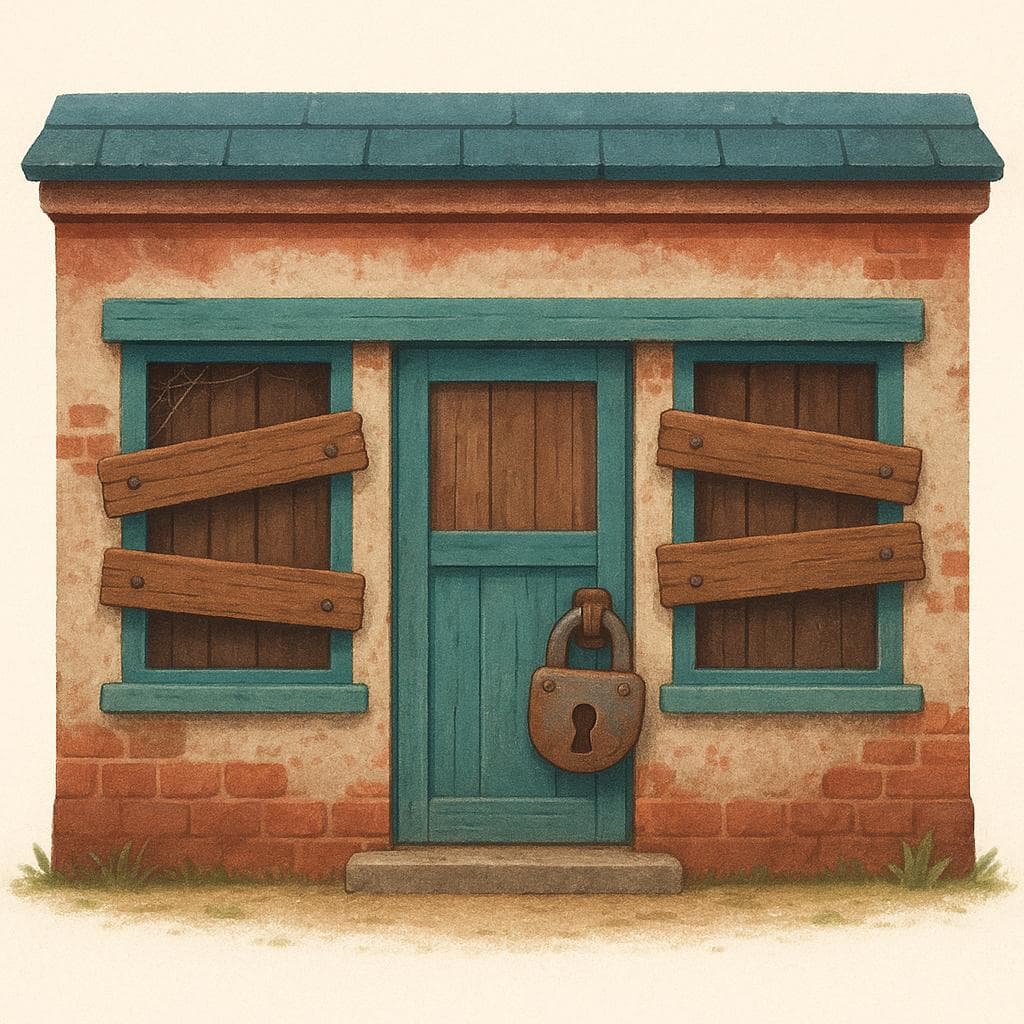
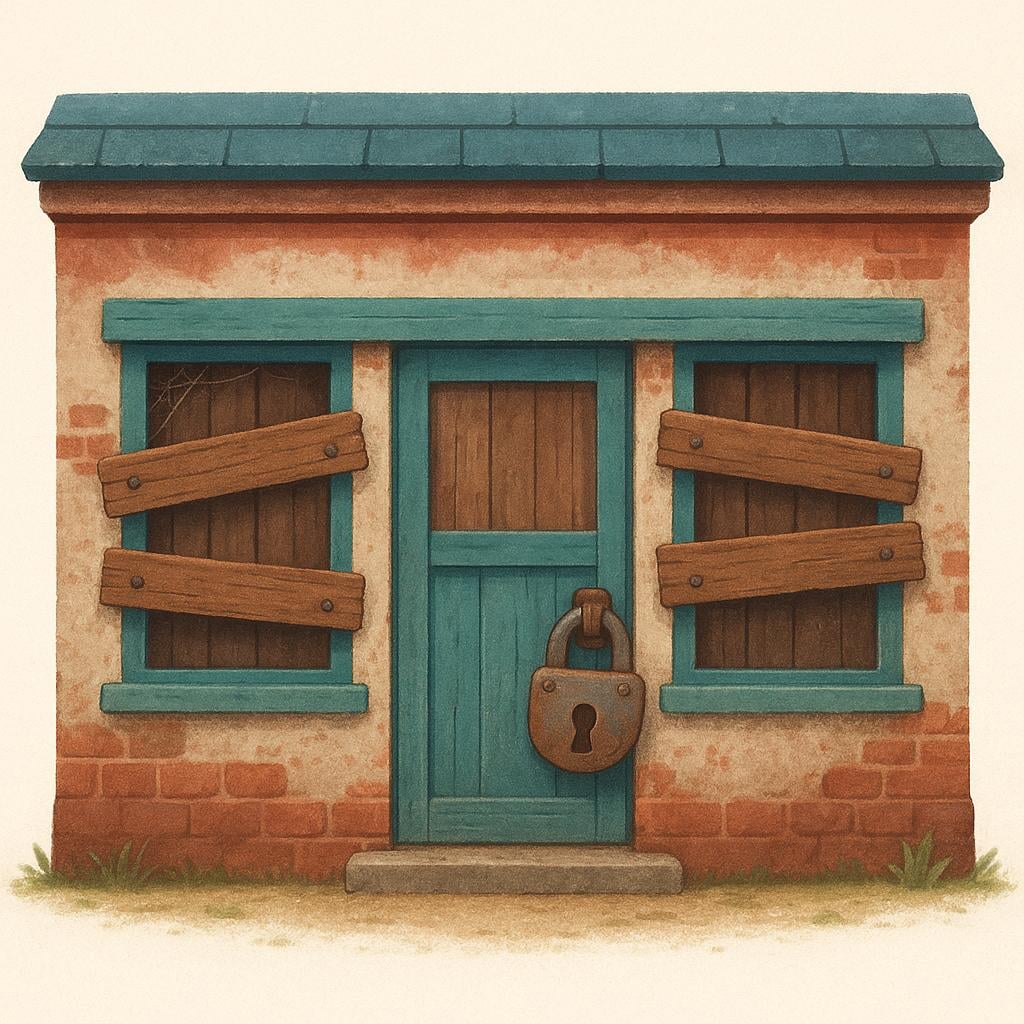
closed down, shut (for the day)Also: went out of business
📝 In Action
La tienda cerró temprano por la tormenta.
B1The store closed early because of the storm.
El restaurante de la esquina cerró el mes pasado.
B2The corner restaurant closed down last month.
Word Connections
finalized, concludedAlso: sealed

📝 In Action
El equipo de ventas cerró el contrato más importante del año.
B2The sales team finalized the most important contract of the year.
El presidente cerró su discurso con una nota optimista.
C1The president concluded his speech on an optimistic note.
Word Connections
Indicative
Present
Imperfect
Preterite
Subjunctive
Present Subjunctive
Imperfect Subjunctive
Translate to Spanish
Words that translate to "cerró" in Spanish:
✏️ Quick Practice
Quick Quiz: cerró
Question 1 of 2
Which sentence uses 'cerró' to mean that a negotiation was successfully completed?
📚 More Resources
👥 Word Family
📚 Etymology
Comes from the Latin verb *serare*, meaning 'to bolt' or 'to lock with a bar.' Over time, it evolved to mean simply 'to close.'
First recorded: Around the 13th century in Spanish.
Cognates (Related words)
💡 Master Spanish
Take your Spanish to the next level. Read 200+ illustrated and narrated Spanish stories tailored to your level with the Inklingo app!
Frequently Asked Questions
Why does 'cerró' have an accent mark?
The accent mark on 'cerró' is crucial! It tells you that the stress falls on the last syllable, indicating that the action happened in the simple past tense (preterite): 'He/She closed.' Without the accent ('cerro'), it means 'hill' or 'mountain' in Spanish, which is a completely different word.
Is 'cerró' used for people closing their mouths or eyes?
Yes, absolutely. You can use 'cerró' to describe a person or animal closing their eyes ('cerró los ojos') or their mouth ('cerró la boca'), often figuratively to mean 'shut up.'