champú
“champú” means “shampoo” in Spanish. It has 2 different meanings depending on context:
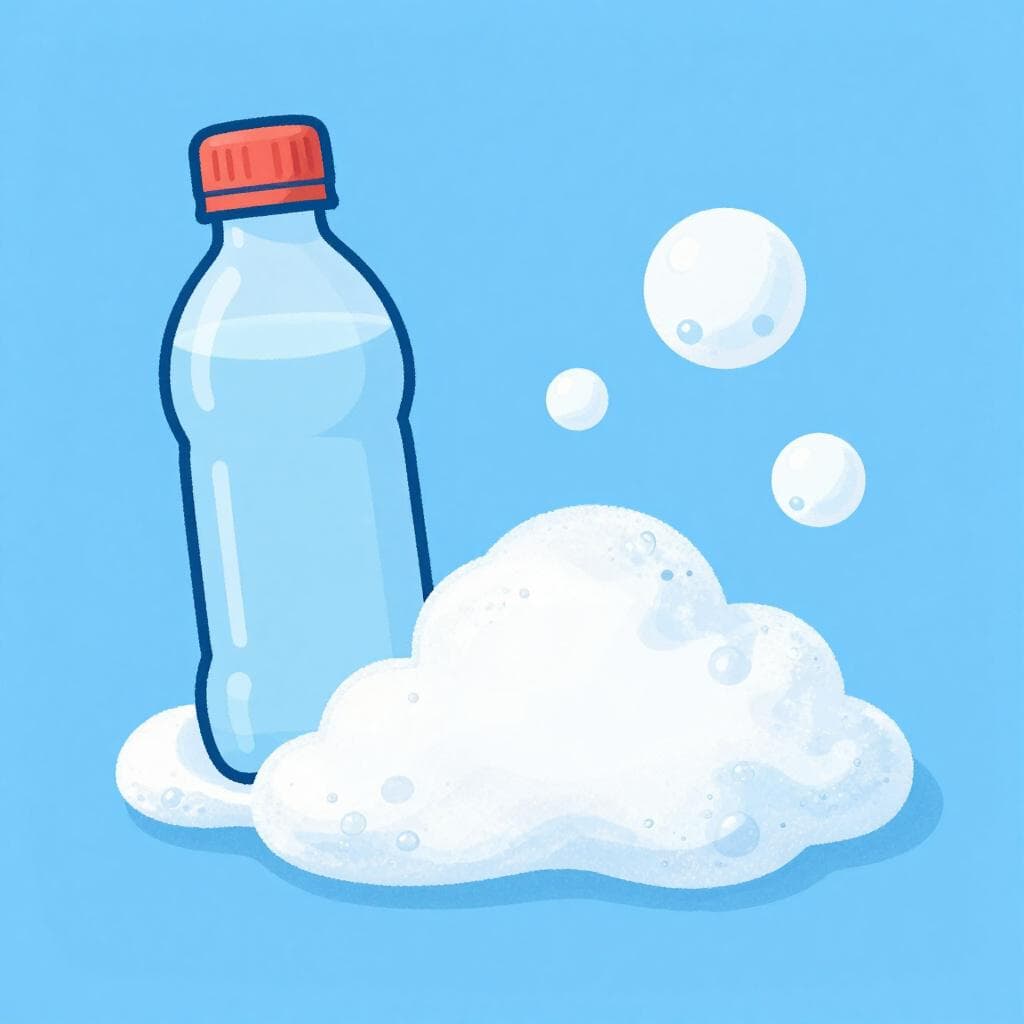
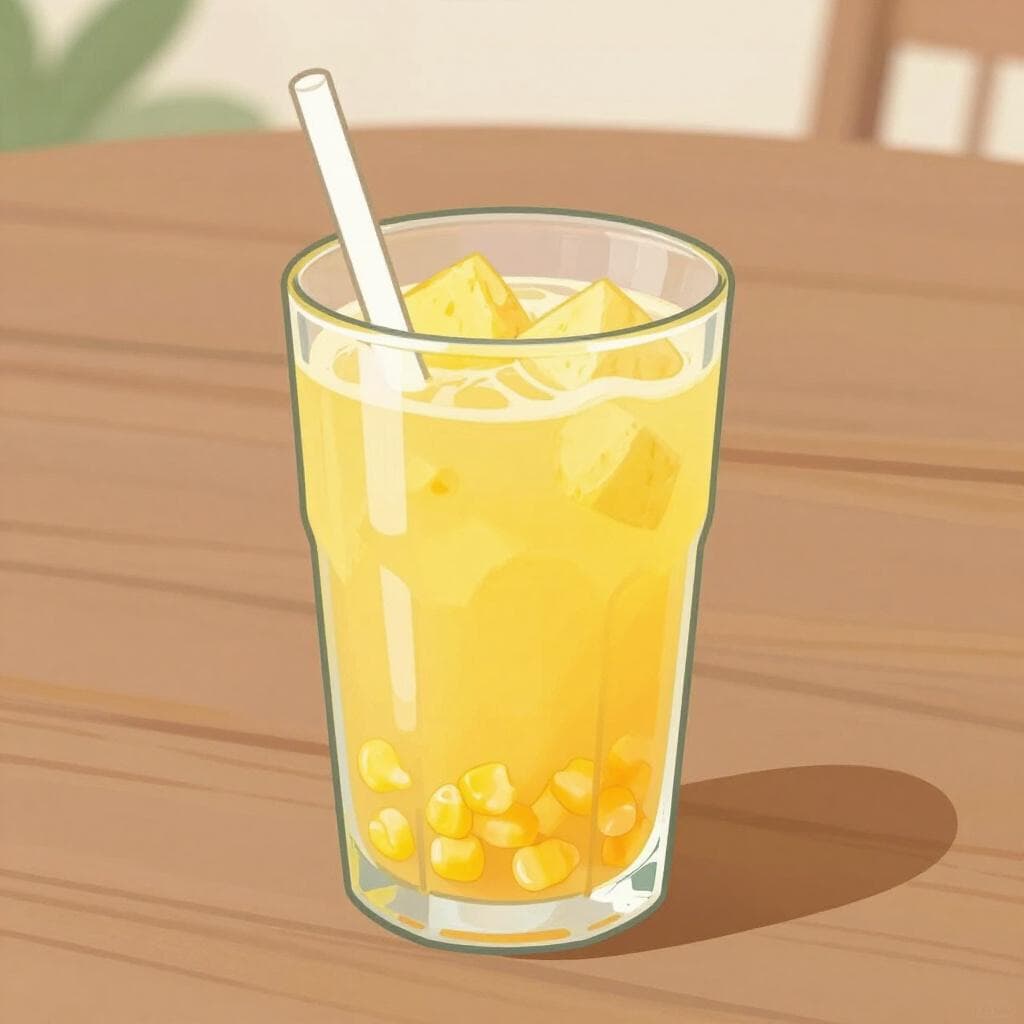
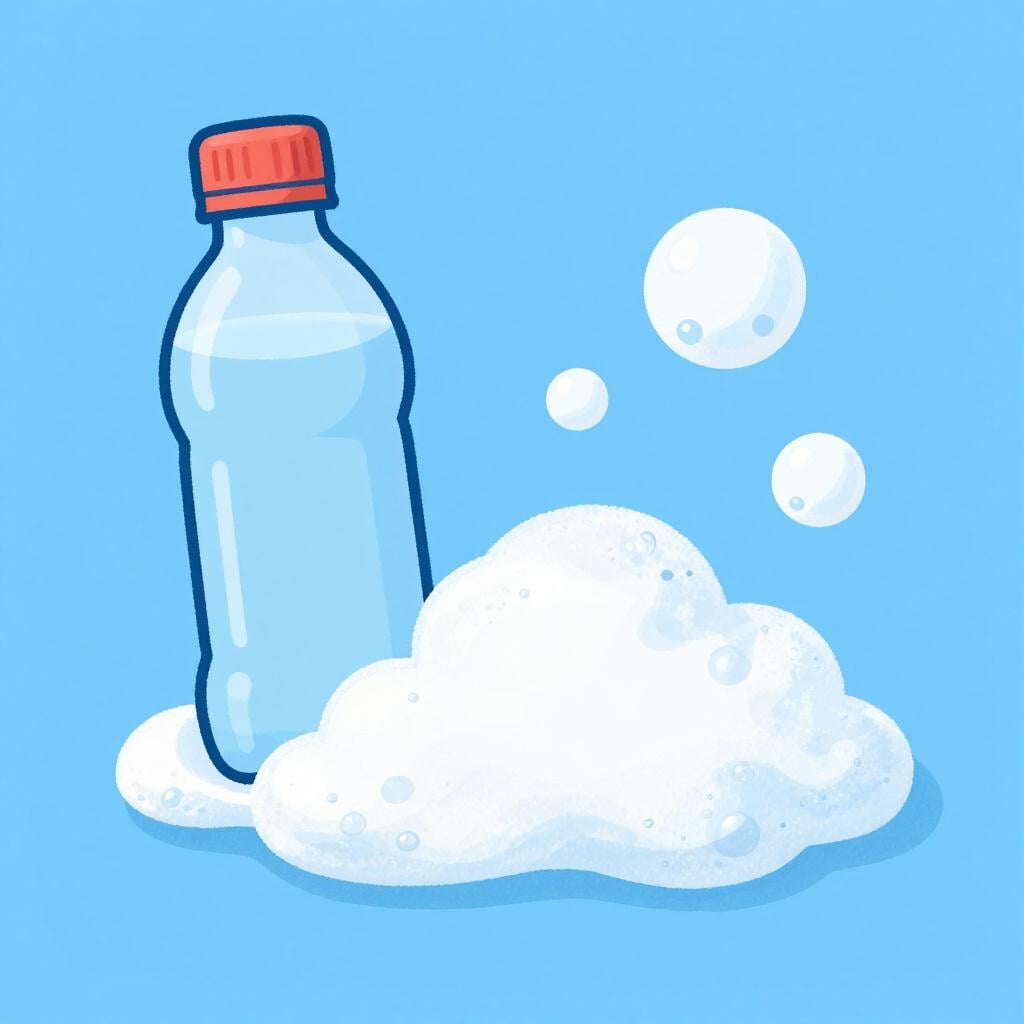
shampoo
📝 In Action
Necesito comprar champú para cabello seco.
A1I need to buy shampoo for dry hair.
El champú de este hotel huele muy bien.
A2The shampoo in this hotel smells very good.
Si te entra champú en los ojos, lávalos con mucha agua.
B1If you get shampoo in your eyes, wash them with plenty of water.
champús
📝 In Action
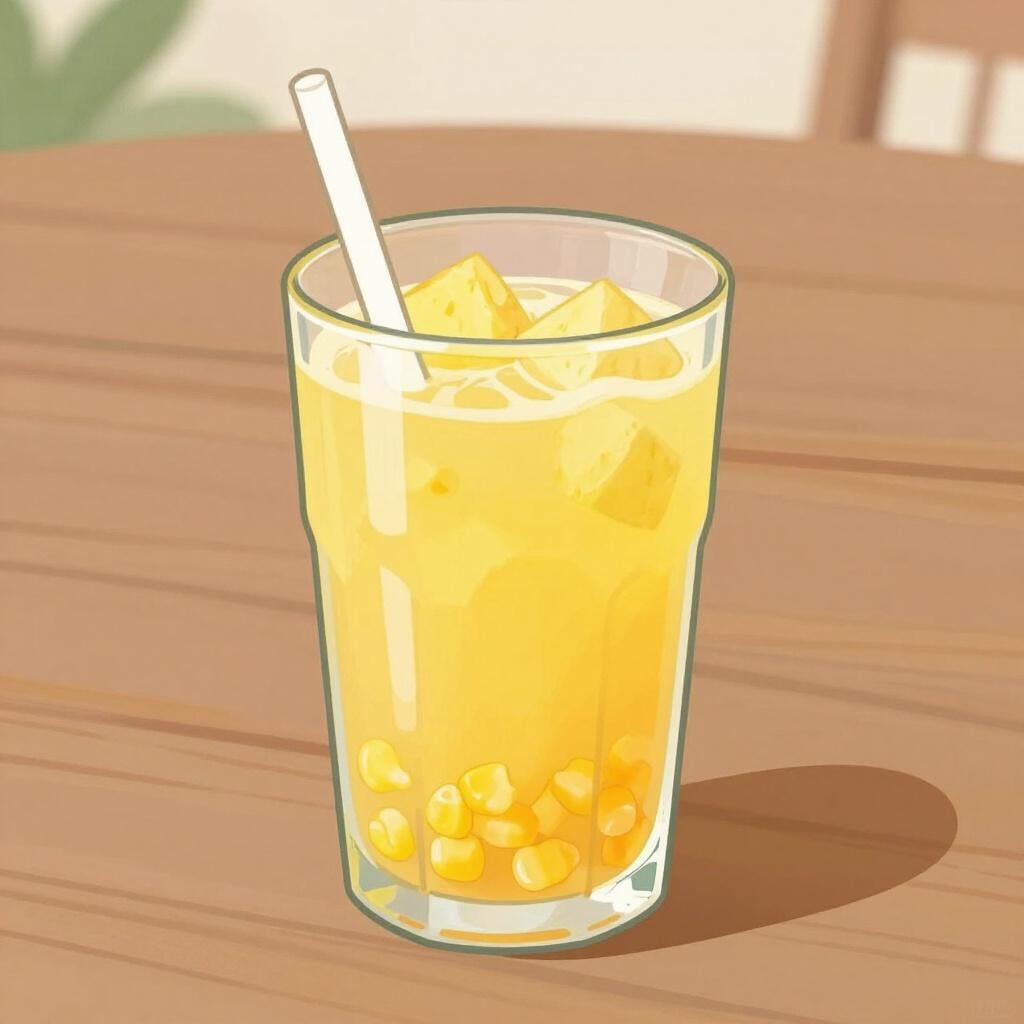
En Navidad, siempre tomamos un rico champú de frutas.
B2During Christmas, we always have a delicious fruit 'champú' drink.
El champú peruano se sirve caliente y tiene trozos de piña.
C1Peruvian champú is served hot and has pineapple chunks.
Venden champú en los puestos callejeros de Cali.
C1They sell 'champús' at the street stalls in Cali.
Vocabulary Collections
Translate to Spanish
✏️ Quick Practice
Quick Quiz: champú
Question 1 of 3
Which of these is the correct way to say 'the shampoo' in Spanish?
📚 More Resources
👥 Word Family▼
🎵 Rhymes▼
📚 Etymology▼
Spanish borrowed this from the English word 'shampoo'. Interestingly, English got it from the Hindi word 'chāmpo', which means 'to massage' or 'to press'.
First recorded: 20th century
Cognates (Related words)
💡 Master Spanish
Take your Spanish to the next level. Read 200+ illustrated and narrated Spanish stories tailored to your level with the Inklingo app!
Frequently Asked Questions
Does 'champú' always mean hair product?
Most of the time, yes. However, in Colombia, Peru, and Ecuador, it is also the name of a traditional drink made with corn and fruit.
What is the difference between 'champú' and 'acondicionador'?
'Champú' is used to clean the hair, while 'acondicionador' (conditioner) is used to soften and detangle it.
Is it spelled 'shampú' or 'champú'?
The correct Spanish spelling is 'champú' with a 'ch'. While you might see 'shampoo' on some imported labels, 'champú' is the standard according to Spanish language rules.