chimenea
“chimenea” means “fireplace” in Spanish. It has 2 different meanings depending on context:
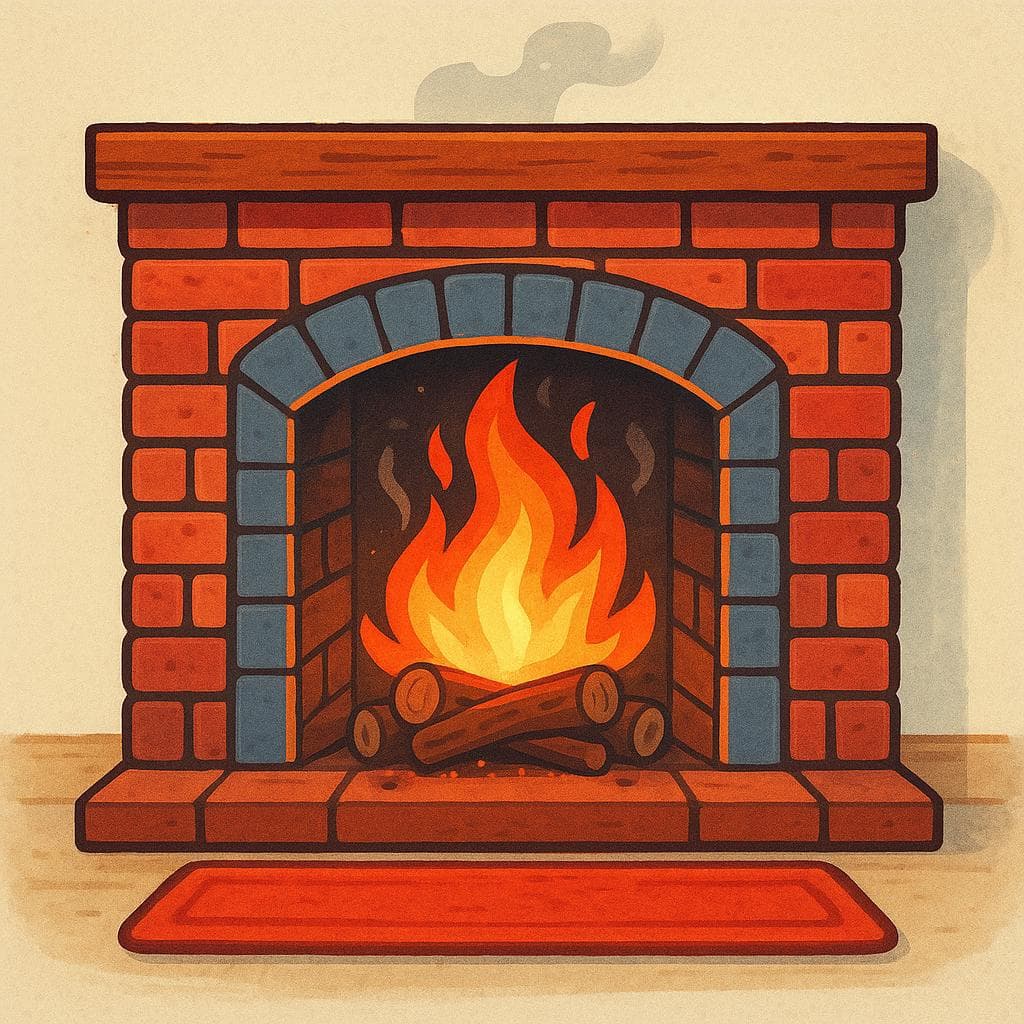

fireplace
Also: hearth
📝 In Action
Pusimos los calcetines sobre la chimenea para Santa.
A1We put the stockings over the fireplace for Santa.
Me encanta el olor a leña quemada que sale de la chimenea.
A2I love the smell of burning wood coming from the fireplace.
chimney
Also: smokestack, flue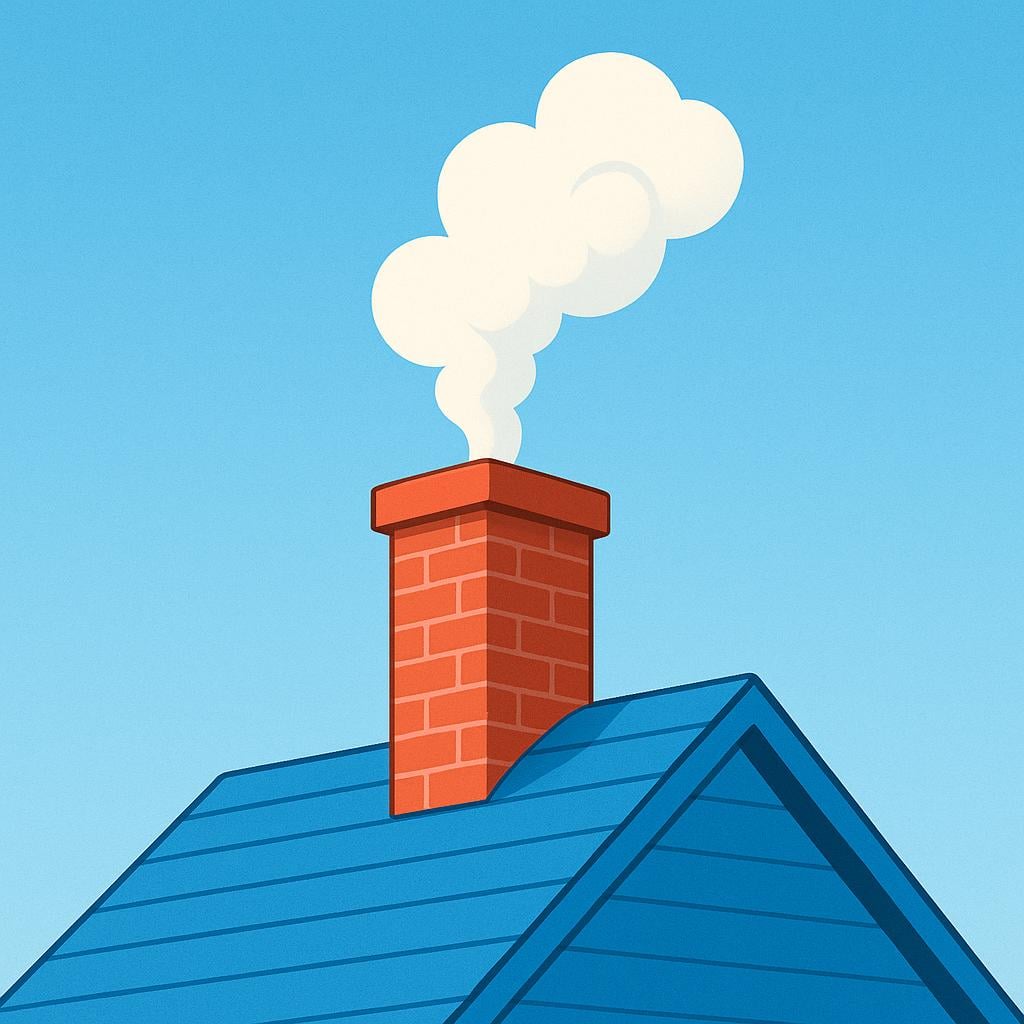
📝 In Action
El deshollinador subió al tejado para limpiar la chimenea.
B1The chimney sweep climbed onto the roof to clean the chimney.
Las chimeneas de la fábrica emitían mucho vapor.
B2The factory smokestacks were emitting a lot of steam.
Translate to Spanish
✏️ Quick Practice
Quick Quiz: chimenea
Question 1 of 2
Which sentence uses 'chimenea' to mean the outdoor part of the structure?
📚 More Resources
📚 Etymology▼
The word 'chimenea' comes from the Late Latin word *caminata*, which itself derived from *caminus*, meaning 'furnace' or 'hearth'. It originally referred to the room or structure containing the fireplace.
First recorded: 13th century
Cognates (Related words)
💡 Master Spanish
Take your Spanish to the next level. Read 200+ illustrated and narrated Spanish stories tailored to your level with the Inklingo app!
Frequently Asked Questions
Does 'chimenea' refer to the inside or the outside part?
It refers to both! In Spanish, 'chimenea' is the general term for the whole structure. If you are talking about the part inside the house, it's the 'fireplace' (Def. 1). If you are talking about the tall pipe on the roof, it's the 'chimney' (Def. 2). Context makes it clear.
What is the difference between 'chimenea' and 'hogar'?
'Chimenea' usually refers to the entire physical structure (the brickwork, the mantel, the flue). 'Hogar' means 'hearth' or 'home/residence' and often emphasizes the cozy, central spot where the fire is, or is used figuratively to mean 'home'.