civilización
“civilización” means “civilization” in Spanish. It has 2 different meanings depending on context:
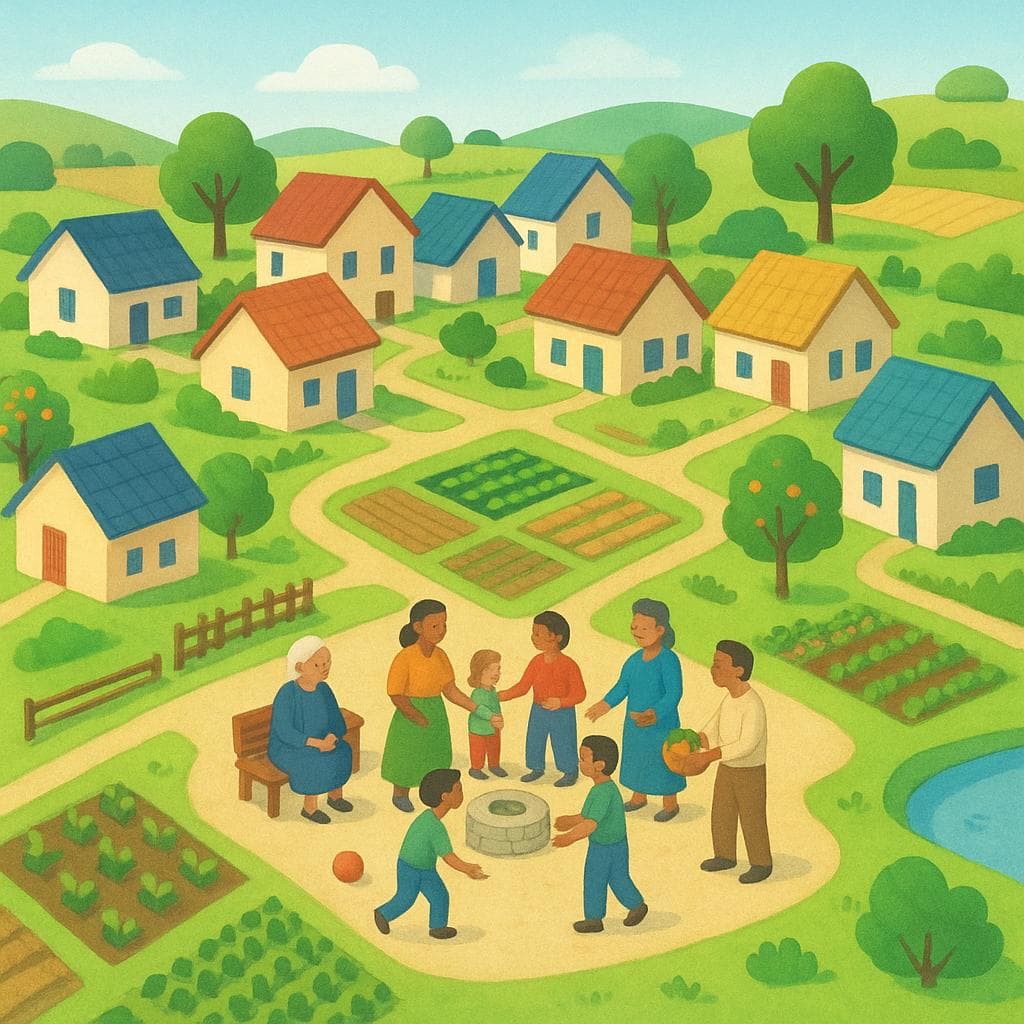
civilization
Also: culture, progress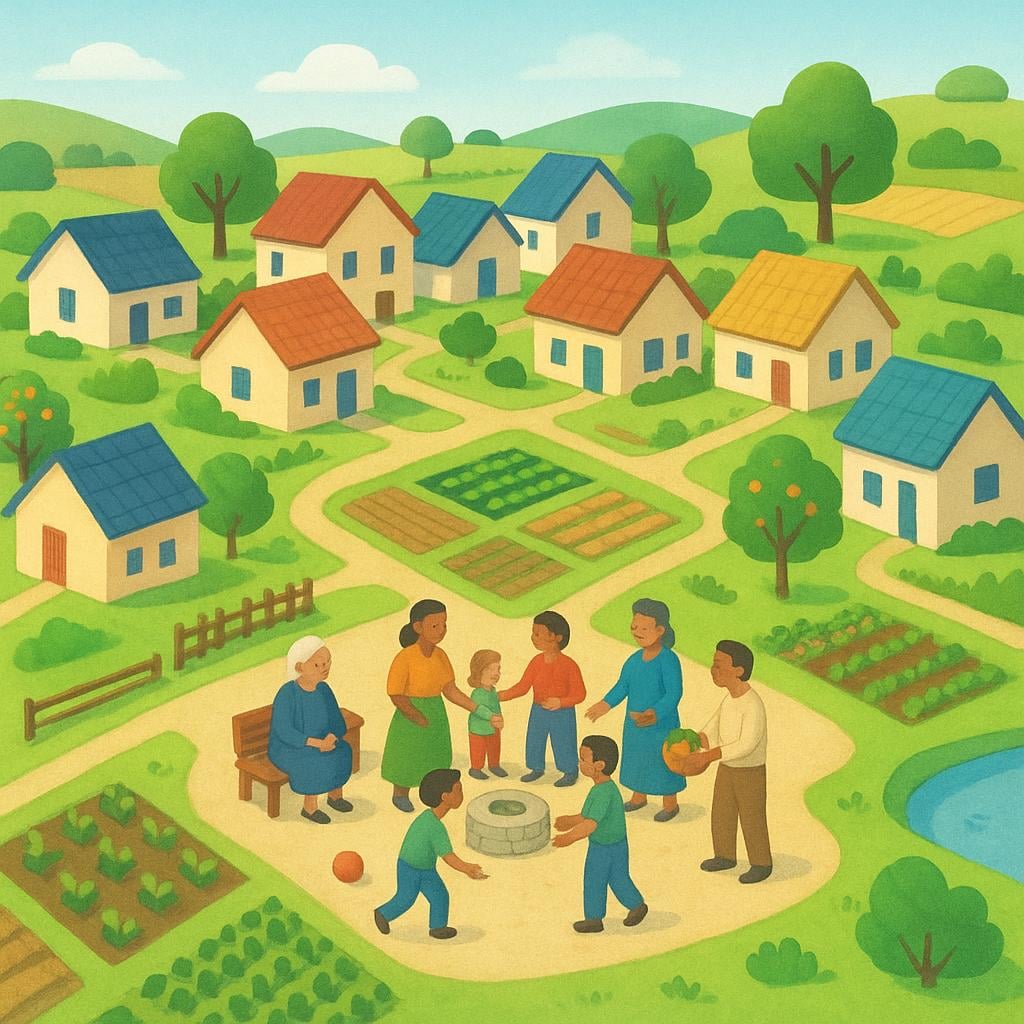
📝 In Action
La invención de la escritura fue un gran avance para la civilización.
B1The invention of writing was a great advance for civilization.
Debemos proteger los valores de nuestra civilización.
B2We must protect the values of our civilization.
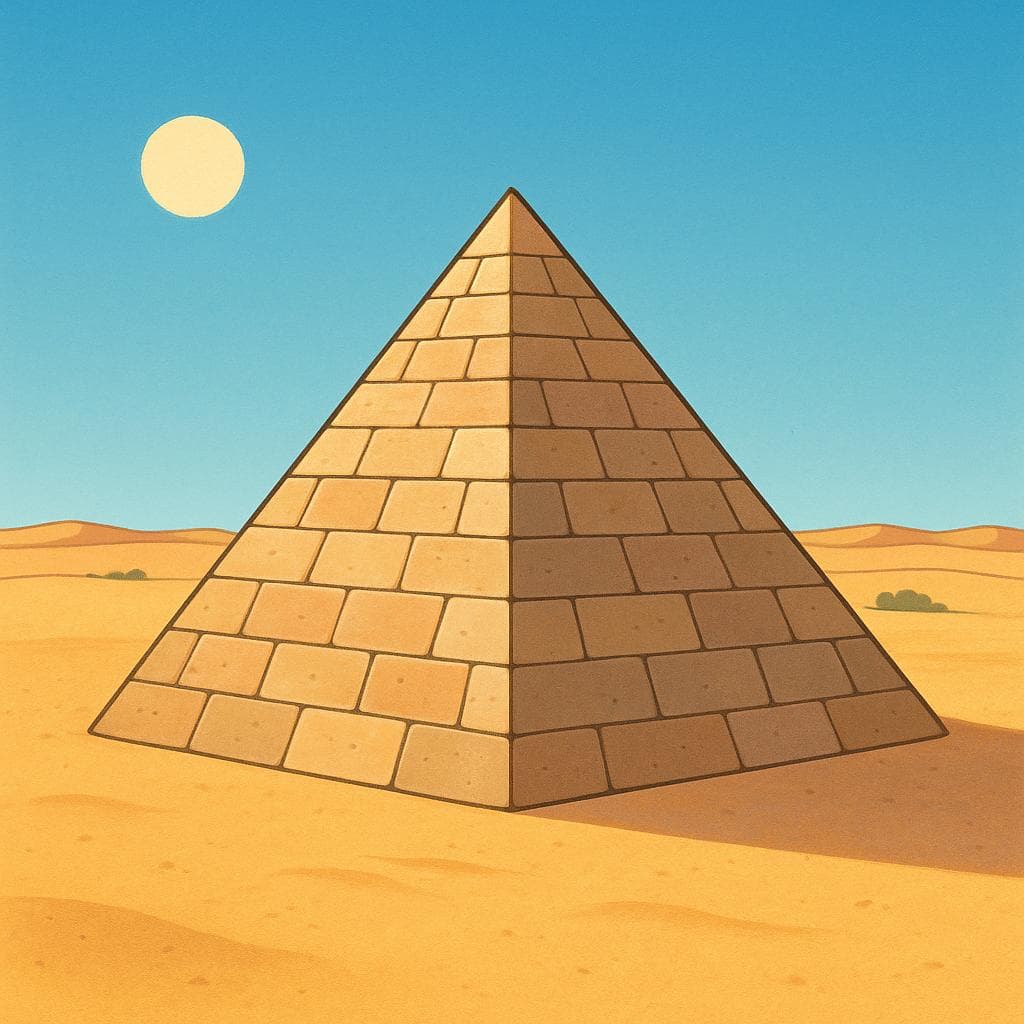
civilization
Also: society
📝 In Action
La civilización maya construyó pirámides impresionantes.
B1The Mayan civilization built impressive pyramids.
Estudiamos la caída de la civilización romana.
B2We are studying the fall of the Roman civilization.
Translate to Spanish
Words that translate to "civilización" in Spanish:
civilization→✏️ Quick Practice
Quick Quiz: civilización
Question 1 of 1
Which sentence uses 'civilización' to refer to a specific historical group?
📚 More Resources
👥 Word Family▼
📚 Etymology▼
Comes from the Latin word *civis*, meaning 'citizen' or 'inhabitant of a city,' combined with the suffix that indicates an action or process. The core idea is related to living in an organized society or city (*civitas*), as opposed to a wild or rural life.
First recorded: 18th century (coined in French, quickly adopted by Spanish)
Cognates (Related words)
💡 Master Spanish
Take your Spanish to the next level. Read 200+ illustrated and narrated Spanish stories tailored to your level with the Inklingo app!
Frequently Asked Questions
¿Es 'civilización' una palabra formal?
Yes, while everyone uses it, it is most often heard in serious discussions about history, politics, or culture. It is not generally used in casual, everyday conversation unless you are talking about big, abstract ideas.
How do I know the gender of a noun that ends in -ción?
A great rule of thumb! Almost every noun ending in -ción is feminine, meaning you should always use 'la' (la canción, la nación, la civilización). This is one of the most reliable gender patterns in Spanish.