considerado
“considerado” means “thoughtful” in Spanish. It has 3 different meanings depending on context:


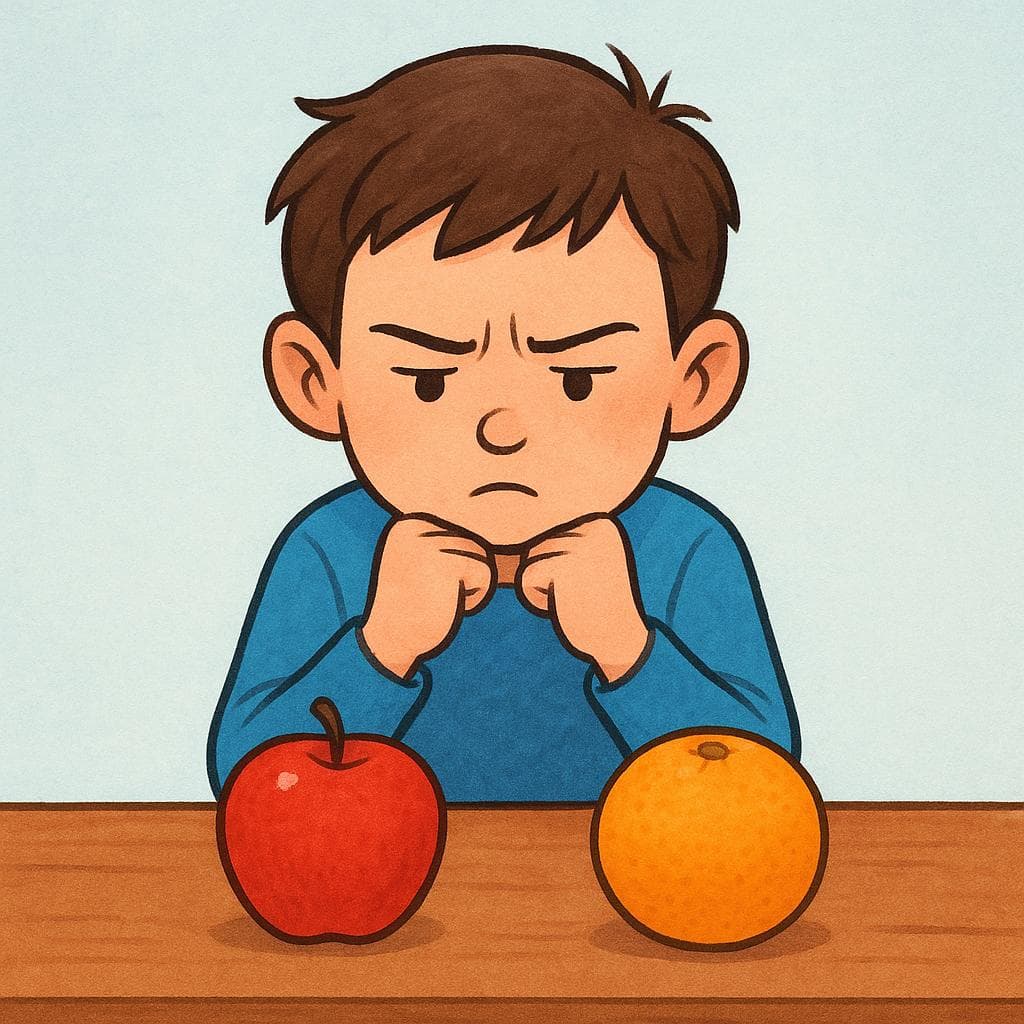
thoughtful, considerateAlso: kind

📝 In Action
Mi vecino es muy considerado; siempre me ayuda con las bolsas.
B1My neighbor is very thoughtful; he always helps me with the bags.
Ella fue considerada al no hacer ruido mientras yo dormía.
B1She was considerate by not making noise while I was sleeping.
Word Connections
highly regarded, esteemedAlso: respected

📝 In Action
El profesor es considerado una autoridad en el campo de la historia.
B2The professor is considered an authority in the field of history.
La empresa es considerada la mejor de la región.
B2The company is regarded as the best in the region.
Word Connections
considered

📝 In Action
Hemos considerado todas las opciones antes de decidir.
A2We have considered all the options before deciding.
¿Habías considerado mudarte a otra ciudad?
B1Had you considered moving to another city?
Word Connections
Translate to Spanish
Words that translate to "considerado" in Spanish:
✏️ Quick Practice
Quick Quiz: considerado
Question 1 of 1
Which sentence uses 'considerado' to describe someone's character?
📚 More Resources
👥 Word Family
📚 Etymology
Comes directly from the Latin verb *considerare*, which meant 'to look at closely,' 'to examine,' or 'to observe the stars' (from *con-* meaning 'together' and *sidus* meaning 'star'). The idea evolved from careful observation to careful thought.
First recorded: 13th century
Cognates (Related words)
💡 Master Spanish
Take your Spanish to the next level. Read 200+ illustrated and narrated Spanish stories tailored to your level with the Inklingo app!
Frequently Asked Questions
When does 'considerado' change its ending, and when does it stay 'considerado'?
It changes its ending (considerado/a/os/as) when it acts as a regular adjective (Definition 1 or 2), describing a person or thing. It always stays as 'considerado' when used with the verb 'haber' (to have) to form a perfect tense (Definition 3), like 'he considerado' (I have considered).