corea
“corea” means “Korea” in Spanish. It has 3 different meanings depending on context:
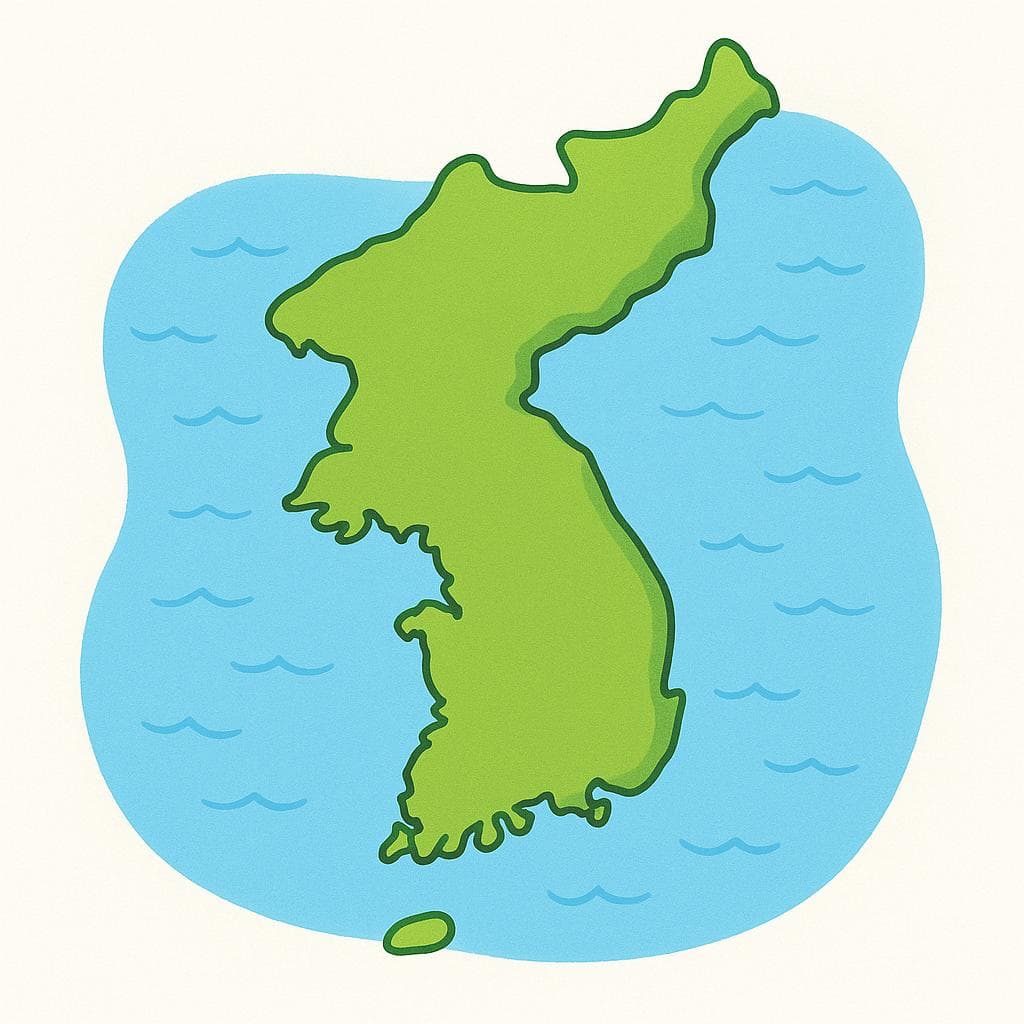


KoreaAlso: the Korean Peninsula

📝 In Action
Mi amigo es de Corea del Sur.
A1My friend is from South Korea.
La cultura de Corea es fascinante.
A2The culture of Korea is fascinating.
Word Connections
he/she/it chants, he/she/it shouts in unisonAlso: chant!

📝 In Action
El público corea el nombre del cantante.
B1The audience chants the singer's name.
¡Corea el estribillo más fuerte!
B2Shout the chorus louder! (Informal command)
Word Connections
choreaAlso: St. Vitus' dance

📝 In Action
La corea es un trastorno neurológico que causa movimientos involuntarios.
C1Chorea is a neurological disorder that causes involuntary movements.
Indicative
Present
Imperfect
Preterite
Subjunctive
Present Subjunctive
Imperfect Subjunctive
✏️ Quick Practice
Quick Quiz: corea
Question 1 of 2
Which meaning of 'corea' is used in the following sentence: 'Ella corea la canción con mucha emoción.'
📚 More Resources
👥 Word Family
📚 Etymology
The word 'corea' has two distinct origins. 1. (The country): It comes from the Goryeo Dynasty, which was the source of the English name 'Korea'. 2. (The verb and medical condition): Both come from the Greek word *khoreia*, meaning 'dance,' which later applied to the involuntary movements of the medical condition and also gave rise to the Spanish word for 'chorus' or synchronized movement.
First recorded: 15th century (Medical/Verb sense)
Cognates (Related words)
💡 Master Spanish
Take your Spanish to the next level. Read 200+ illustrated and narrated Spanish stories tailored to your level with the Inklingo app!
Frequently Asked Questions
Why is 'corea' sometimes capitalized and sometimes not?
When referring to the country (Korea), it must be capitalized: 'Corea'. When it is used as a verb form (he/she chants) or the name of the medical condition, it is usually written in lowercase.
How can I tell if 'corea' is the country or a verb form?
If it is the country, it will be capitalized and often preceded by 'la' (La Corea). If it is a verb, it will likely follow a subject (Él corea) or be at the start of a command (¡Corea!).