cría
“cría” means “offspring” in Spanish. It has 3 different meanings depending on context:
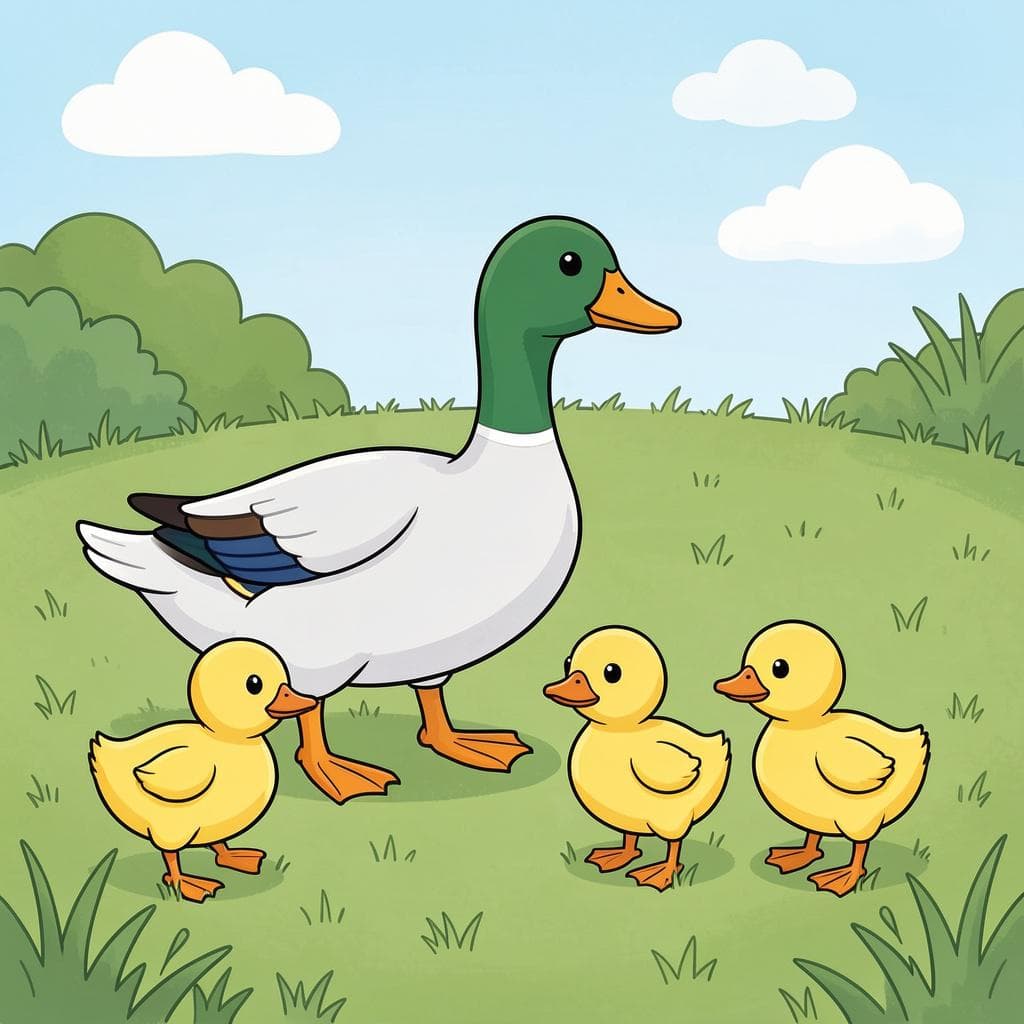


offspring, baby animal
Also: cub, chick, nursling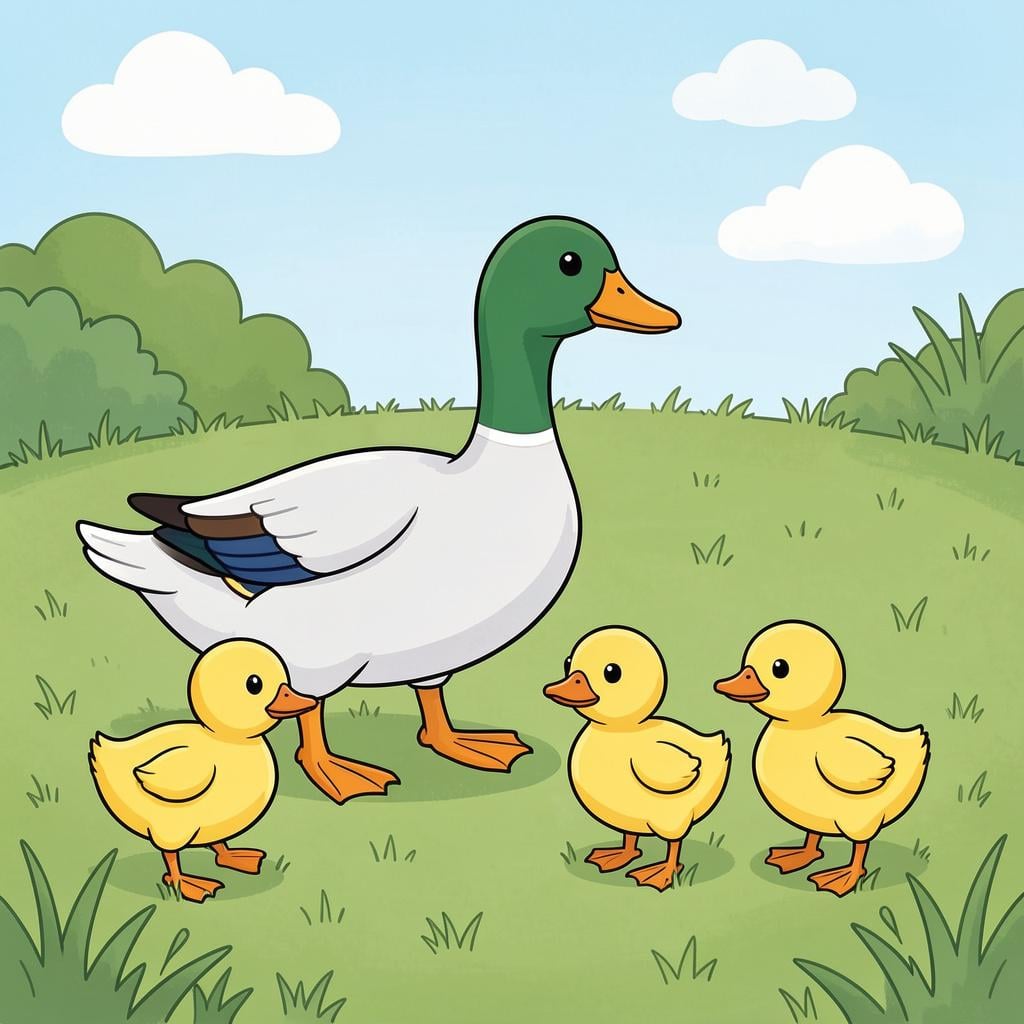
📝 In Action
La leona protege a su cría de los depredadores.
A2The lioness protects her cub from predators.
Es una cría de apenas dos meses.
A2It is a baby animal only two months old.
breeding, rearing
Also: upbringing
📝 In Action
Mi abuelo se dedicaba a la cría de caballos.
B1My grandfather was dedicated to horse breeding.
La cría intensiva requiere mucha inversión.
B2Intensive rearing requires a lot of investment.
he/she/it raises, you (informal) raise

📝 In Action
Ella cría a sus hijos con mucho amor.
A2She raises her children with a lot of love.
¡Cría fama y échate a dormir!
B2Create a reputation and then you can rest! (Idiom)
Subjunctive
Imperfect Subjunctive
Present Subjunctive
Indicative
Preterite
Imperfect
Present
Vocabulary Collections
Translate to Spanish
✏️ Quick Practice
Quick Quiz: cría
Question 1 of 2
Which sentence uses 'cría' as a noun meaning 'offspring'?
📚 More Resources
👥 Word Family▼
🎵 Rhymes▼
📚 Etymology▼
From the Latin word 'creare', which means 'to create', 'to bring forth', or 'to produce'.
First recorded: 13th century
Cognates (Related words)
💡 Master Spanish
Take your Spanish to the next level. Read 200+ illustrated and narrated Spanish stories tailored to your level with the Inklingo app!
Frequently Asked Questions
What is the difference between 'cría' and 'cachorro'?
'Cría' is a general term for any baby animal (birds, fish, mammals). 'Cachorro' is usually used for dogs, or specifically for the young of large predators like bears, wolves, and lions.
Is it okay to call my child 'mi cría'?
It is very informal and sounds a bit like you are joking or being very 'earthy.' In most cases, it's better to use 'mi hijo' or 'mi niño'.