crítica
“crítica” means “criticism” in Spanish. It has 3 different meanings depending on context:
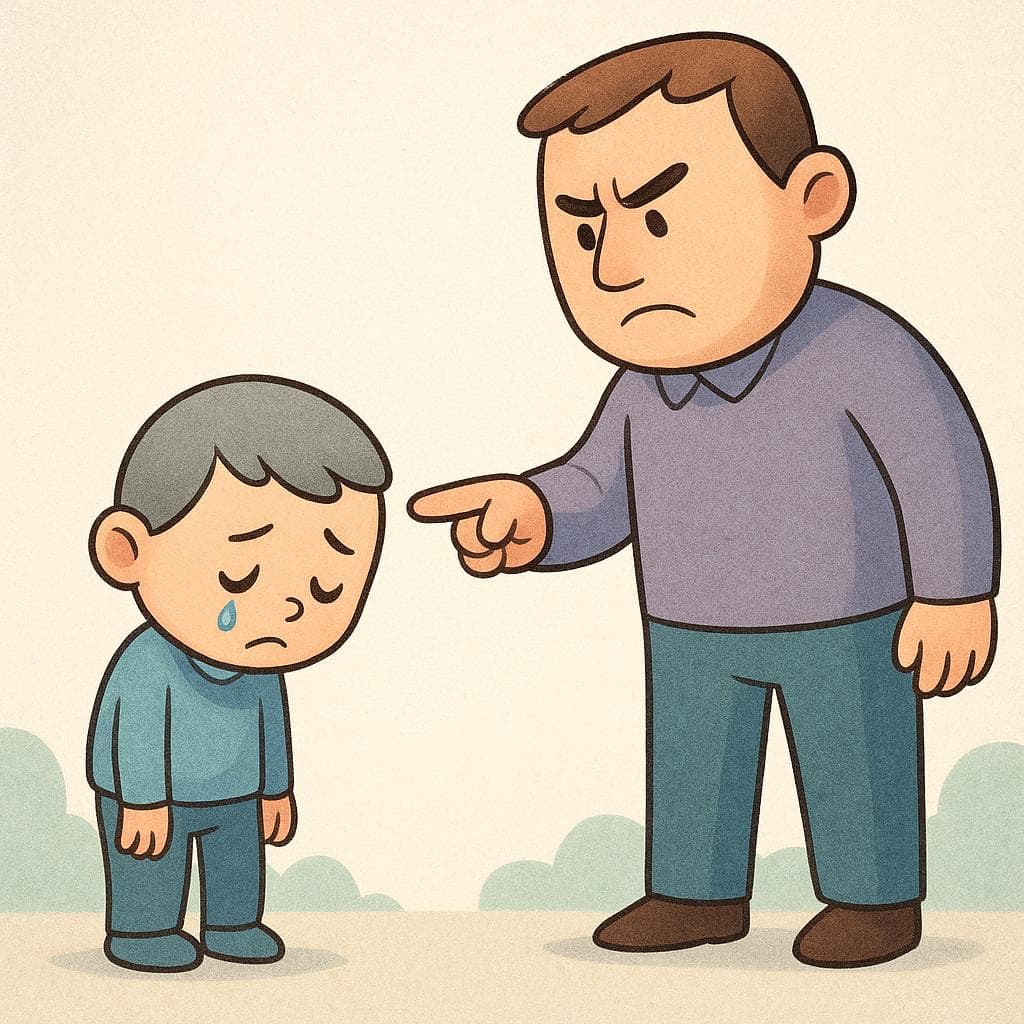


criticismAlso: censure
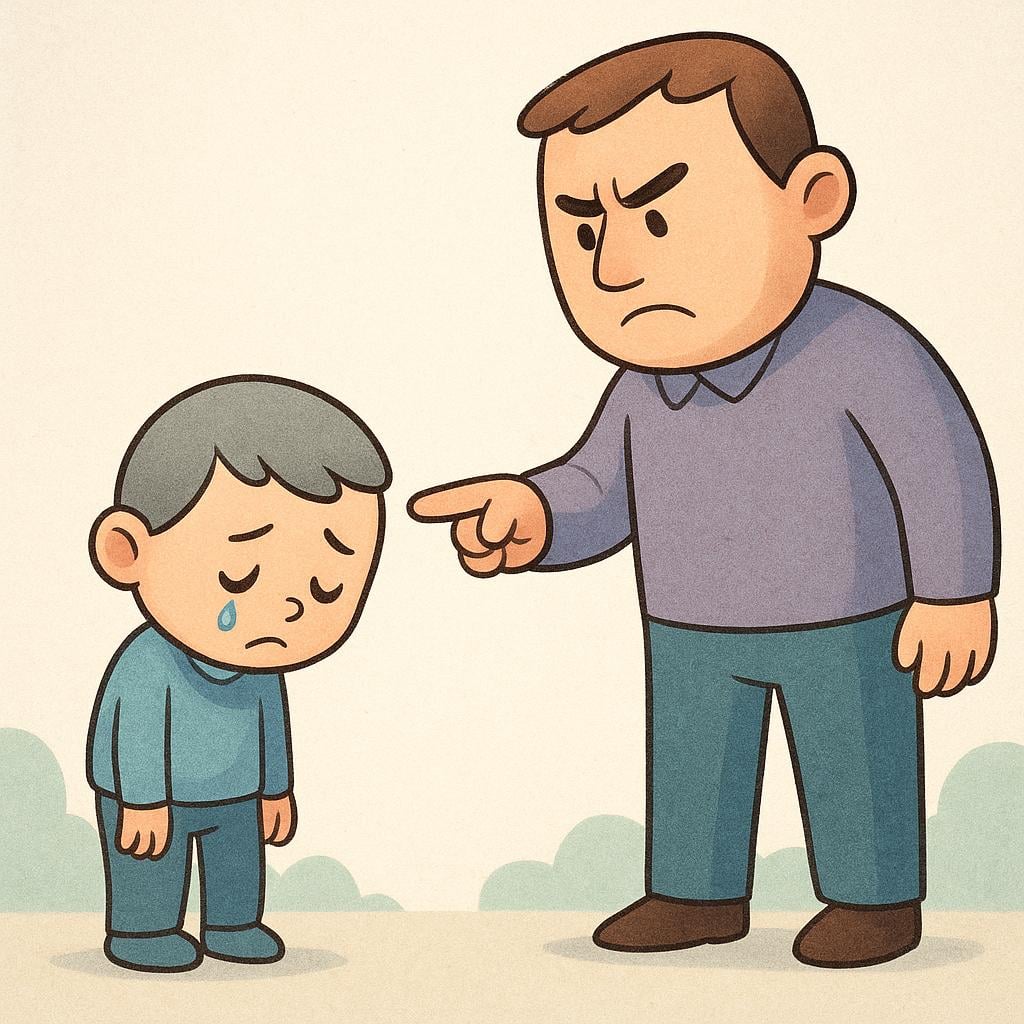
📝 In Action
Recibió mucha crítica por su decisión de renunciar.
B1She received a lot of criticism for her decision to resign.
La crítica constructiva es importante para mejorar.
B2Constructive criticism is important for improving.
Word Connections
reviewAlso: critique

📝 In Action
Leí una crítica excelente de la nueva película de terror.
A2I read an excellent review of the new horror movie.
La crítica literaria no entendió el mensaje del autor.
B2The literary review (or: the critics) didn't understand the author's message.
Word Connections
criticalAlso: crucial

📝 In Action
Estamos en una situación crítica debido a la sequía.
B2We are in a critical situation due to the drought.
La paciente está en condición crítica en el hospital.
C1The patient is in critical condition in the hospital.
Word Connections
✏️ Quick Practice
Quick Quiz: crítica
Question 1 of 2
Which sentence uses 'crítica' as a professional evaluation (a review)?
📚 More Resources
👥 Word Family
🎵 Rhymes
📚 Etymology
The word comes from the Latin *critica*, which itself is rooted in the Greek word *kritikē* (τέχνη), meaning 'the art of judging or discerning.' It has always been connected to making careful evaluations.
First recorded: 15th century (in its modern form)
Cognates (Related words)
💡 Master Spanish
Take your Spanish to the next level. Read 200+ illustrated and narrated Spanish stories tailored to your level with the Inklingo app!
Frequently Asked Questions
Is 'crítica' always negative?
No, not always. While it often refers to negative judgment (criticism), it can also mean a neutral or positive published review (una crítica de cine) or describe something as crucial or decisive (una situación crítica).
How do I know if 'crítica' is a noun or an adjective?
Look at the words around it. If you see 'la' or 'una' before it, or if it is the subject of the sentence, it is the feminine noun (criticism or review). If it comes after a feminine noun like 'situación' or 'condición,' it is the adjective (critical/crucial) describing that noun.