reproche
“reproche” means “reproach” in Spanish. It has 2 different meanings depending on context:
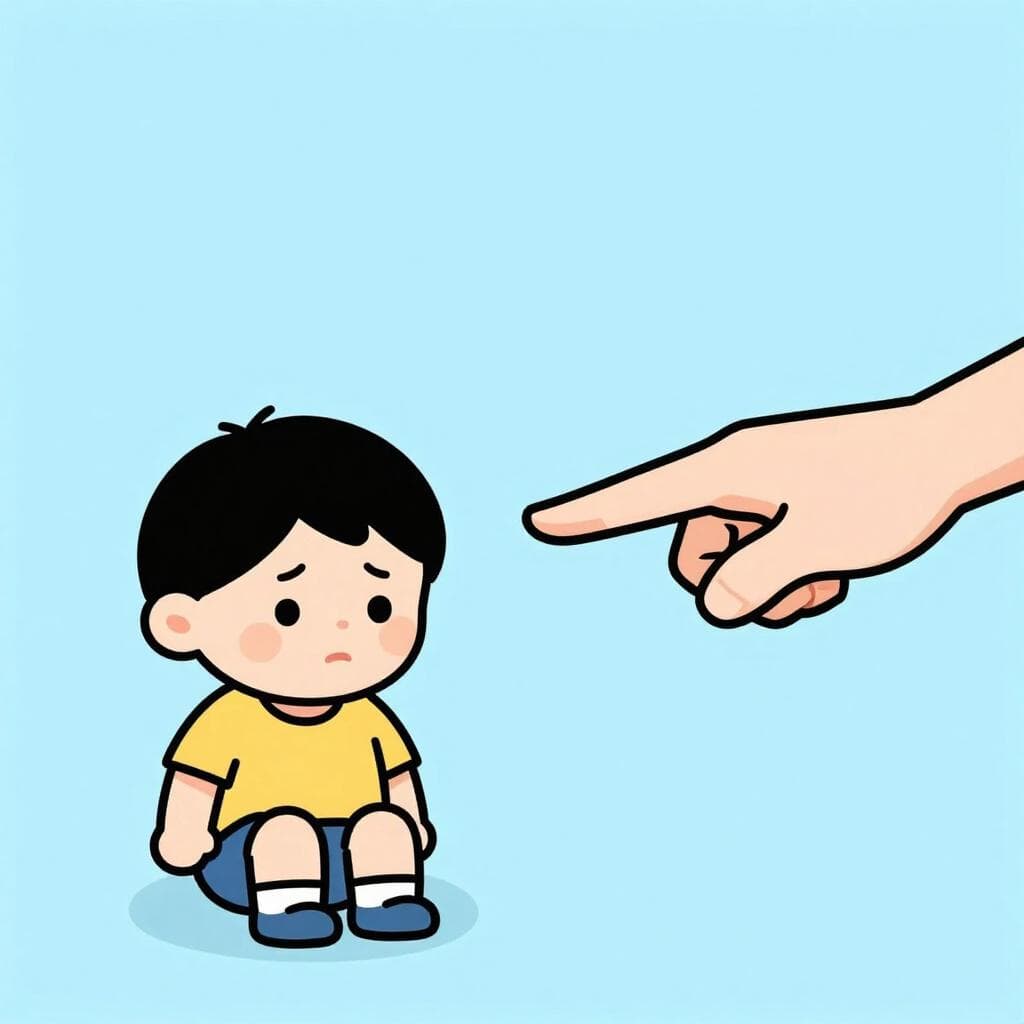

reproach, criticism
Also: blame, scolding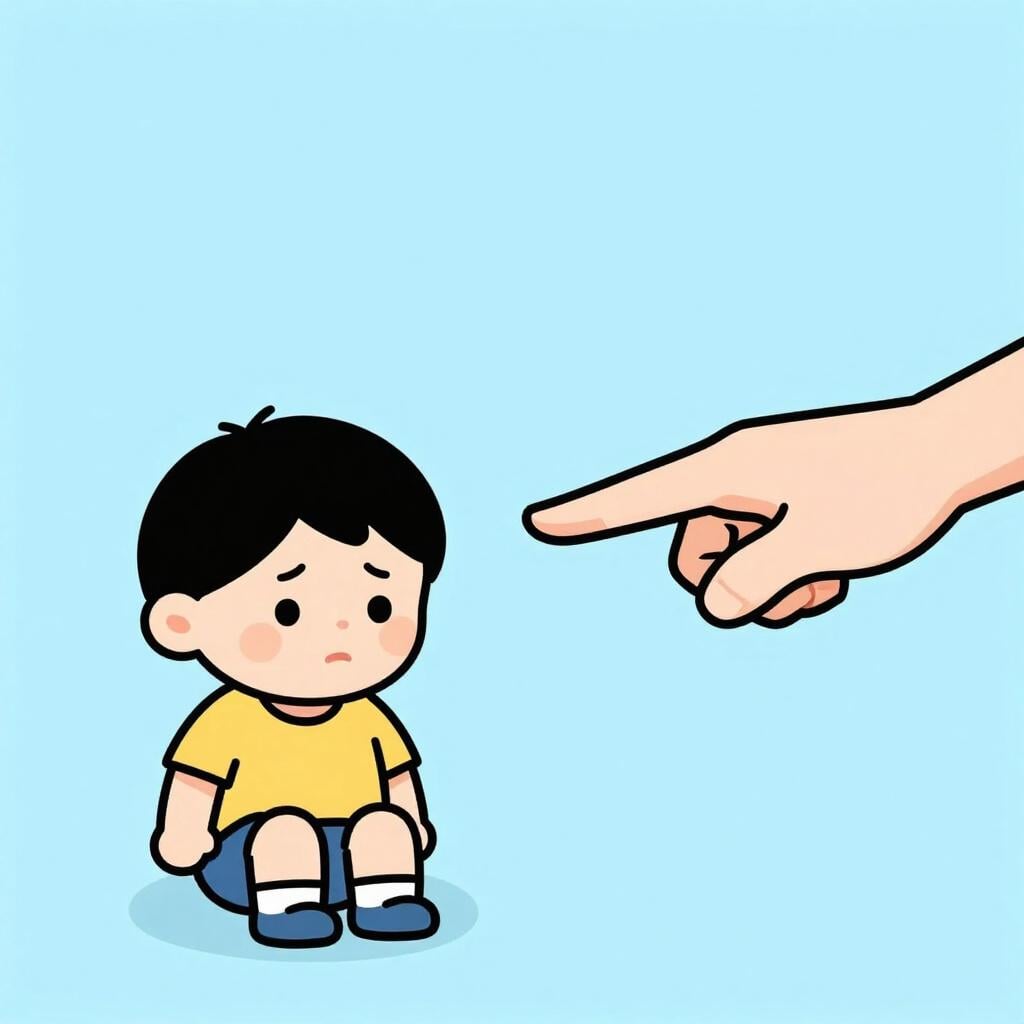
📝 In Action
No acepto tu reproche.
A2I don't accept your criticism.
Ella aceptó el error sin ningún reproche.
B1She accepted the mistake without any reproach.
Sus palabras eran un reproche constante por mi falta de tiempo.
B2His words were a constant criticism of my lack of time.
reproach
Also: criticize
📝 In Action
Dudo que ella me reproche mi decisión.
B1I doubt she will criticize my decision.
Es injusto que él te reproche algo de hace diez años.
B2It's unfair that he criticizes you for something from ten years ago.
Busco a alguien que no me reproche mi pasado.
C1I am looking for someone who doesn't hold my past against me.
Subjunctive
Imperfect Subjunctive
Present Subjunctive
Indicative
Preterite
Imperfect
Present
Translate to Spanish
✏️ Quick Practice
Quick Quiz: reproche
Question 1 of 3
Which of these phrases is the most natural way to say 'He criticized me'?
📚 More Resources
👥 Word Family▼
📚 Etymology▼
From the French word 'reproche', which comes from the verb 'reprocher'. This stems from a Latin concept meaning 'to bring back near', suggesting you are bringing a person's faults back to their face to confront them.
First recorded: 13th century
Cognates (Related words)
💡 Master Spanish
Take your Spanish to the next level. Read 200+ illustrated and narrated Spanish stories tailored to your level with the Inklingo app!
Frequently Asked Questions
Is 'reproche' a bad word?
No, it's not a swear word or slang. It's a normal, slightly serious word used to describe when someone points out a mistake or expresses disappointment.
Can I use 'reproche' as a verb?
The word 'reproche' itself is either the noun OR a specific form of the verb 'reprochar'. If you want to say 'to reproach', use 'reprochar'.
What is the difference between 'queja' and 'reproche'?
A 'queja' (complaint) is usually about a situation or service, while a 'reproche' is more personal—it's directed at someone for something they did or didn't do.