How to Say "scolding" in Spanish
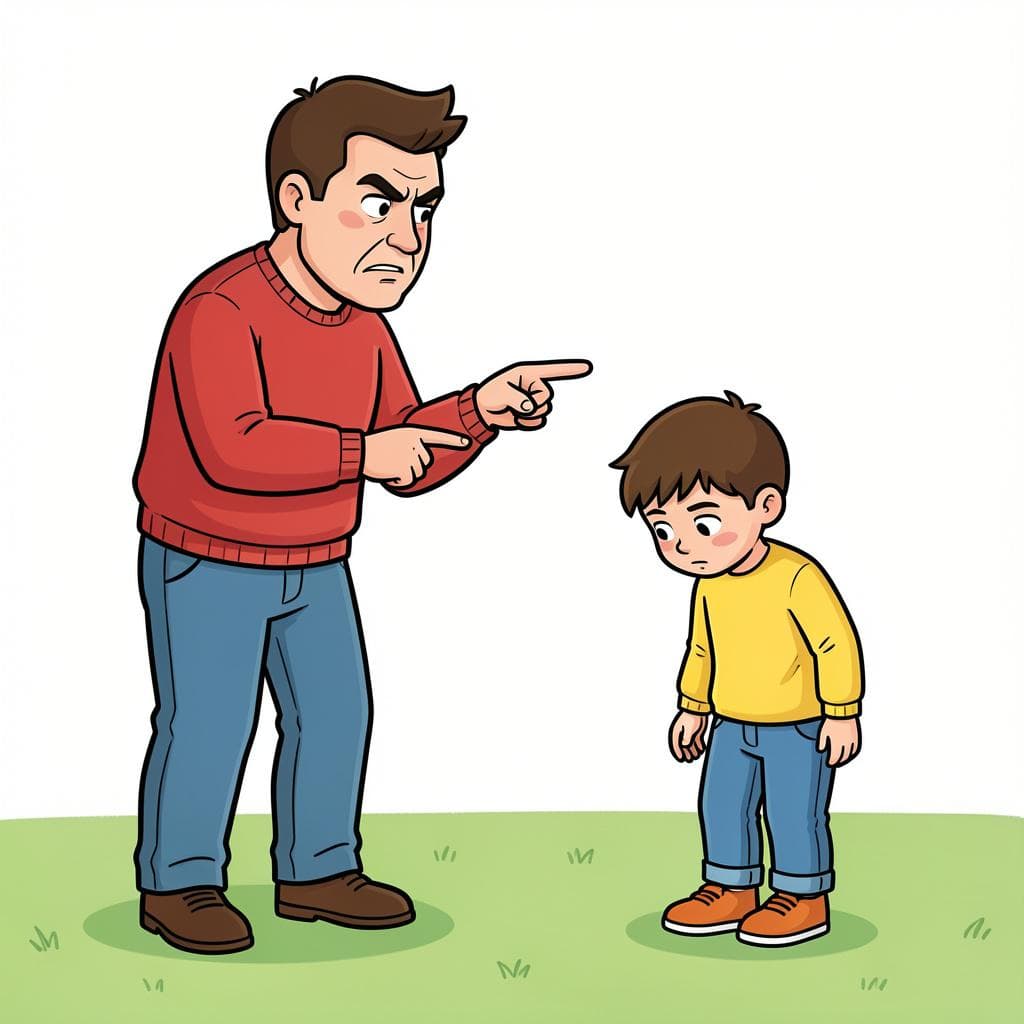
The most common Spanish word for “scolding” is “bronca” — use 'bronca' for a common, often loud, verbal reprimand or argument, typically given by someone in authority or a peer.


bronca
BRON-kahˈbɾoŋka

Examples
Mi jefe me echó una bronca por llegar tarde.
My boss gave me a scolding for arriving late.
Hubo una bronca tremenda en la calle anoche.
There was a huge row in the street last night.
No busques bronca con él, que hoy está de mal humor.
Don't look for a fight with him; he's in a bad mood today.
Using 'Echar'
To say someone is 'giving a scolding,' Spanish uses the verb 'echar' (to throw). Think of it as 'throwing a scolding' at someone.
Plural Use
While you can have 'una bronca' (one argument), people often use it in singular even if many people are involved.
Don't use 'dar' for scolding
Mistake: “Mi madre me dio una bronca.”
Correction: Mi madre me echó una bronca. (Use 'echar' when the action is directed at a person as a reprimand).
reproche
reh-PRO-chehreˈpɾotʃe

Examples
No acepto tu reproche.
I don't accept your criticism.
Ella aceptó el error sin ningún reproche.
She accepted the mistake without any reproach.
Sus palabras eran un reproche constante por mi falta de tiempo.
His words were a constant criticism of my lack of time.
Word Gender
This word is masculine. Even though many words ending in 'e' can be confusing, always use 'el' or 'un' with 'reproche'.
Pairing with Verbs
In Spanish, you don't usually just 'reproach' as a single verb action in common speech; instead, you 'make a reproach' using the word 'hacer'.
Using the wrong gender
Mistake: “La reproche me dolió.”
Correction: El reproche me dolió. (Reproche is always masculine.)
jabón
Examples
Le dieron un buen jabón por no entregar el informe a tiempo.
They gave him a good scolding for not handing in the report on time.
peluca
peh-LOO-kahpeˈluka
Examples
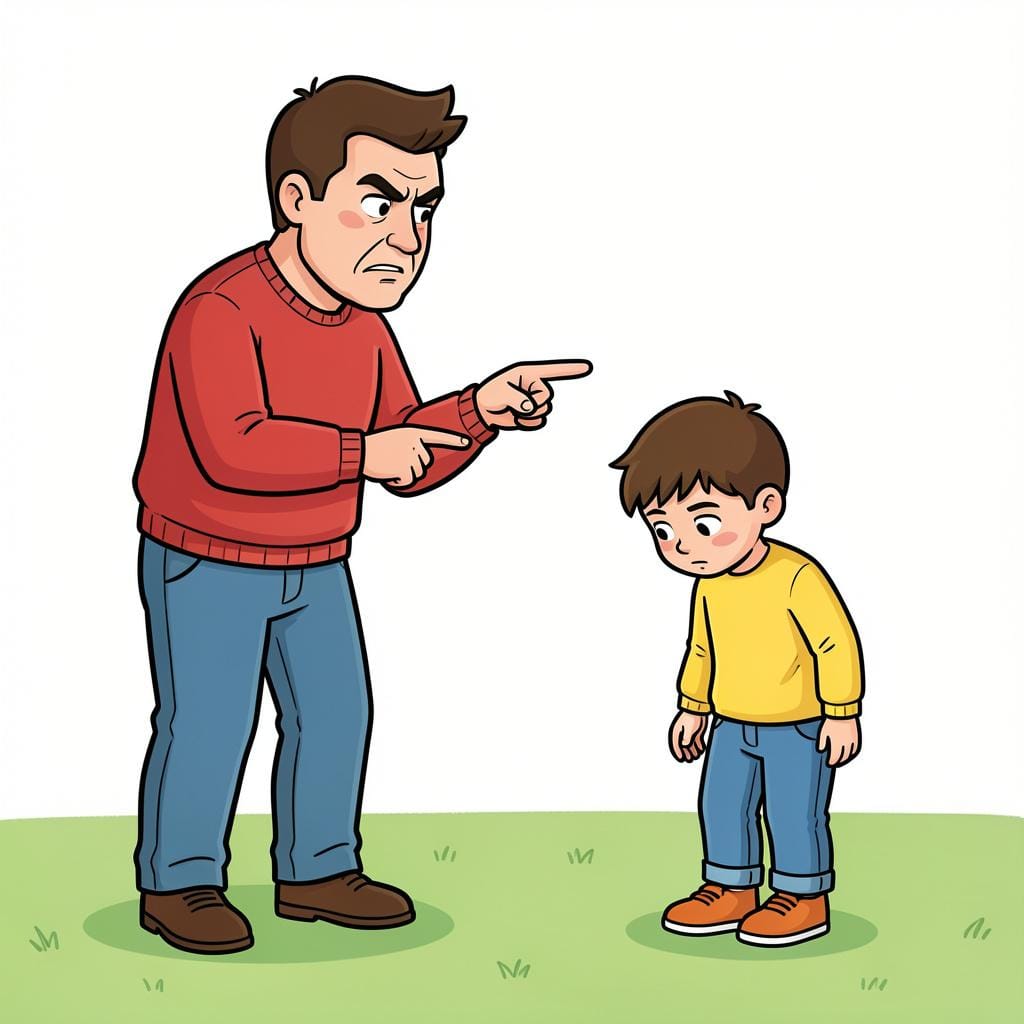
Mi jefe me echó una peluca por llegar tarde.
My boss gave me a scolding for arriving late.
Verbs for Scolding
In this sense, the word is almost always used with the verb 'echar' (to throw/give).
Bronca vs. Reproche
Related Translations
Learn Spanish with Inklingo
Interactive stories, personalized learning, and more.