How to Say "blame" in Spanish
The most common Spanish word for “blame” is “culpa” — use 'culpa' when assigning responsibility for an event or action, often as 'mi culpa' (my fault) or 'su culpa' (their fault).


culpa
kool-pah'kulpa
Examples
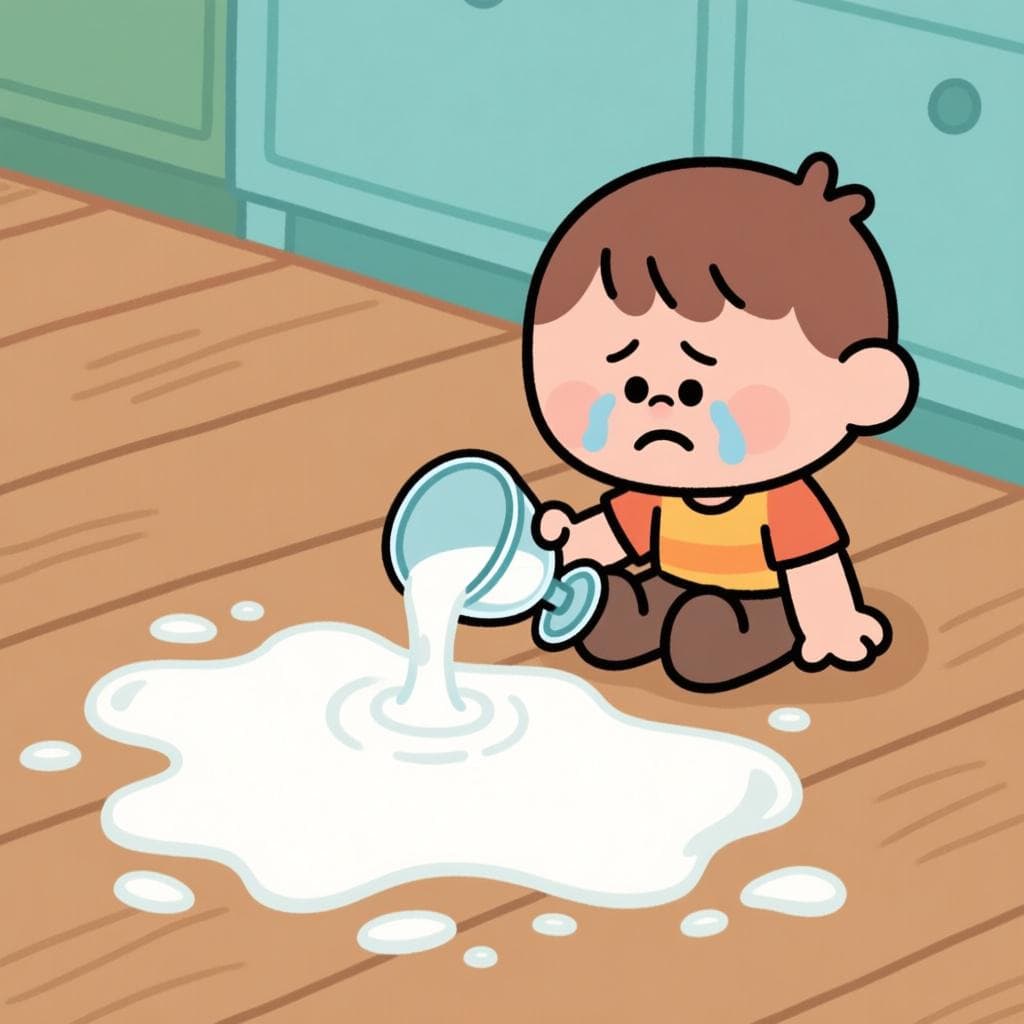
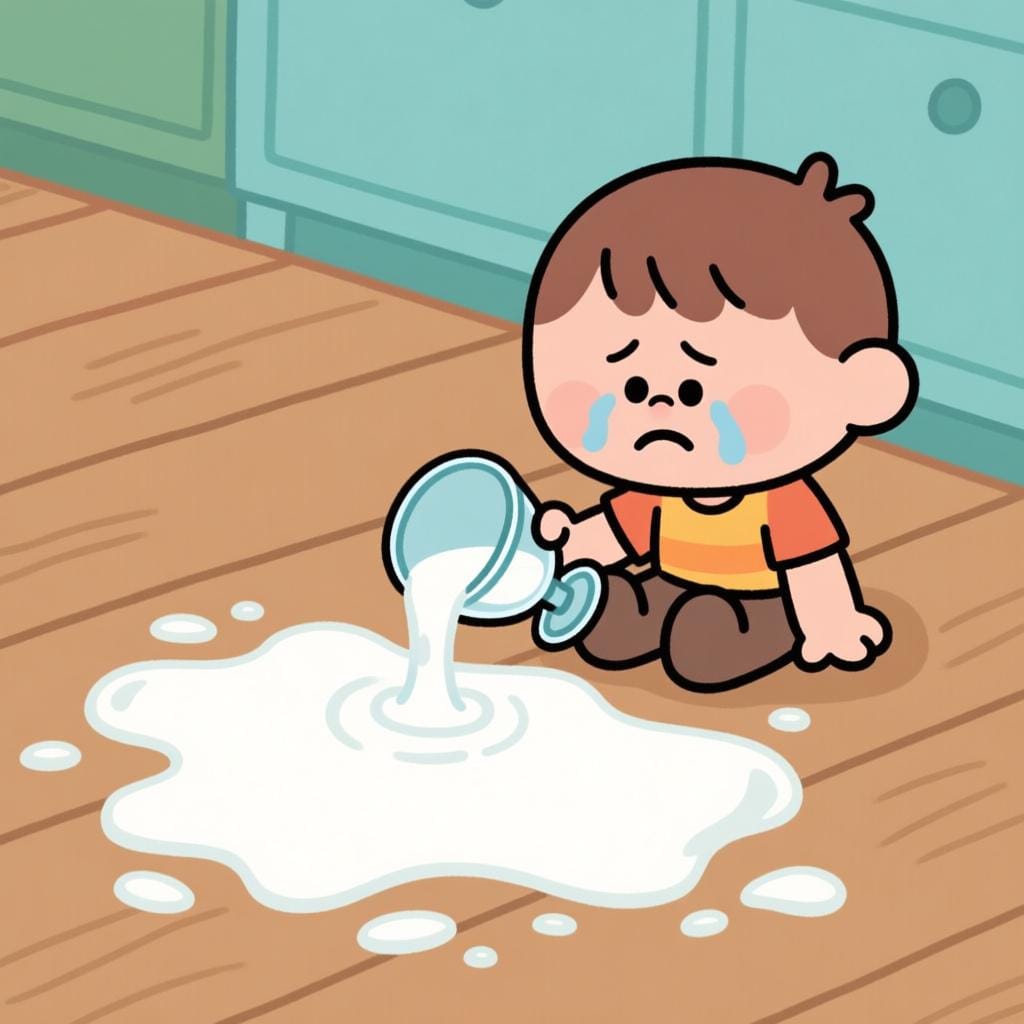
No fue mi culpa, el vaso se cayó.
It wasn't my fault, the glass fell.
El conductor tuvo la culpa del accidente.
The driver was to blame for the accident.
Ella siente mucha culpa por lo que dijo.
She feels a lot of guilt for what she said.
Using 'Tener la culpa'
To say someone is at fault, you use the verb 'tener' (to have). Think of it like 'having the blame': 'Yo tengo la culpa' means 'It's my fault.'
'Por culpa de' for Negative Reasons
Use the phrase 'por culpa de' to explain the negative reason for something. It's the opposite of 'gracias a' (thanks to), which is only used for positive reasons.
Using 'Ser' instead of 'Tener'
Mistake: “A common mix-up is saying 'Es mi culpa'. While sometimes heard, it's much more standard to say 'Tengo la culpa'.”
Correction: Always try to use 'tener la culpa' to say someone is at fault. For example, 'Él tiene la culpa' (He is to blame).
Confusing 'por culpa de' and 'gracias a'
Mistake: “Using 'gracias a' for something negative, like 'Gracias a la lluvia, llegué tarde'.”
Correction: Use 'por culpa de' for negative outcomes: 'Por culpa de la lluvia, llegué tarde.' (Because of the rain, I was late). Reserve 'gracias a' for positive things: 'Gracias a tu ayuda, terminé.' (Thanks to your help, I finished).
reproche
reh-PRO-chehreˈpɾotʃe

Examples
No acepto tu reproche.
I don't accept your criticism.
Ella aceptó el error sin ningún reproche.
She accepted the mistake without any reproach.
Sus palabras eran un reproche constante por mi falta de tiempo.
His words were a constant criticism of my lack of time.
Word Gender
This word is masculine. Even though many words ending in 'e' can be confusing, always use 'el' or 'un' with 'reproche'.
Pairing with Verbs
In Spanish, you don't usually just 'reproach' as a single verb action in common speech; instead, you 'make a reproach' using the word 'hacer'.
Using the wrong gender
Mistake: “La reproche me dolió.”
Correction: El reproche me dolió. (Reproche is always masculine.)
culpabilidad
kool-pah-bee-lee-DAHDkulpabiliˈðad

Examples
Siento una gran culpabilidad por haberle mentido a mi mejor amigo.
I feel a great sense of guilt for having lied to my best friend.
El abogado intentó demostrar la falta de culpabilidad de su cliente.
The lawyer tried to prove his client's lack of guilt.
Es difícil vivir con ese sentimiento de culpabilidad constante.
It is difficult to live with that constant feeling of guilt.
Always Feminine
Words ending in '-dad' are almost always feminine. You should always use 'la' or 'una' with this word.
Abstract Concept
This word refers to a state or a feeling. When talking about the 'fault' of a specific mistake, people often prefer the shorter word 'culpa'.
Guilt vs. Fault
Mistake: “Saying 'Es mi culpabilidad' for a small mistake.”
Correction: Say 'Es mi culpa'. Use 'culpabilidad' for the psychological feeling or the formal legal status.
Culpa vs. Culpabilidad
Related Translations
Learn Spanish with Inklingo
Interactive stories, personalized learning, and more.