Inklingo

cree

/KREH-eh/

he/she thinks

A woman standing outside, looking up at a large, dark rain cloud with a thoughtful expression, expressing her opinion about the weather.

Cree translates to 'he/she thinks' or 'you (formal) think,' used when expressing an opinion or belief.

cree(Verb)

A1irregular er

he/she thinks

?

Expressing an opinion

,

he/she believes

?

Stating something as true

,

you (formal) think/believe

?

Same as above, but formal

Also:

he/she supposes

?

Making an assumption

📝 In Action

Ella cree que va a llover hoy.

A1

She thinks it's going to rain today.

Mi hermano no me cree cuando le digo la verdad.

A2

My brother doesn't believe me when I tell him the truth.

¿Usted cree que es una buena idea?

A2

Do you (formal) think it's a good idea?

Cree en tus sueños.

B1

Believe in your dreams.

Word Connections

Synonyms

Antonyms

  • duda (he/she doubts)

Common Collocations

  • cree que síthinks so
  • cree que nodoesn't think so
  • cree firmementefirmly believes

💡 Grammar Points

Stating Beliefs vs. Doubts

When you state a belief with 'cree que', the next verb is normal. But when you state disbelief, 'no cree que', the next verb often changes to a special form for uncertainty. Example: 'Cree que viene.' (He thinks he's coming.) vs. 'No cree que venga.' (He doesn't think he's coming.)

❌ Common Pitfalls

Using 'en' for opinions

Mistake: "Él cree en que es una mala idea."

Correction: Él cree que es una mala idea. You only need 'que' to connect to an idea or opinion.

⭐ Usage Tips

Polite Opinions

Starting a sentence with 'Creo que...' ('I think that...') is a very common and slightly softer way to give your opinion than stating it as a fact. The same applies to asking someone '¿Qué cree usted?'

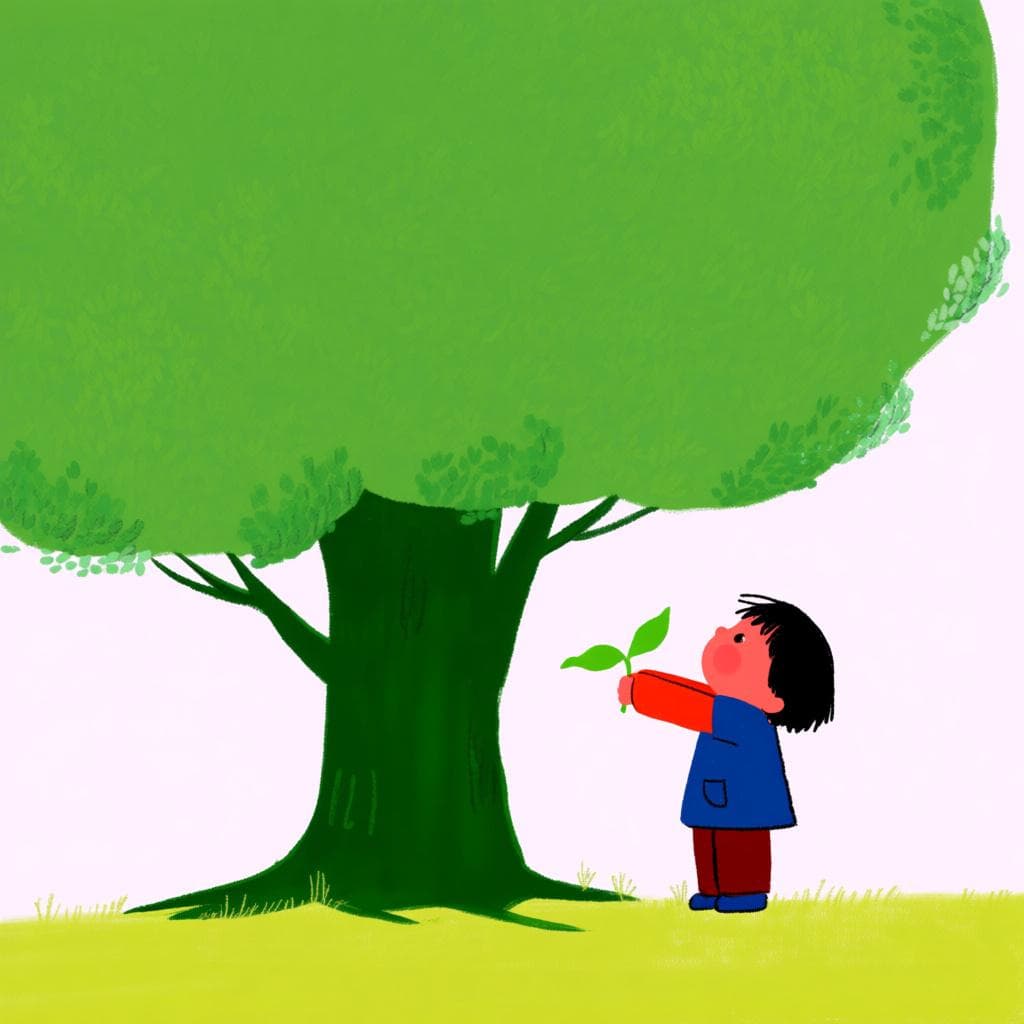
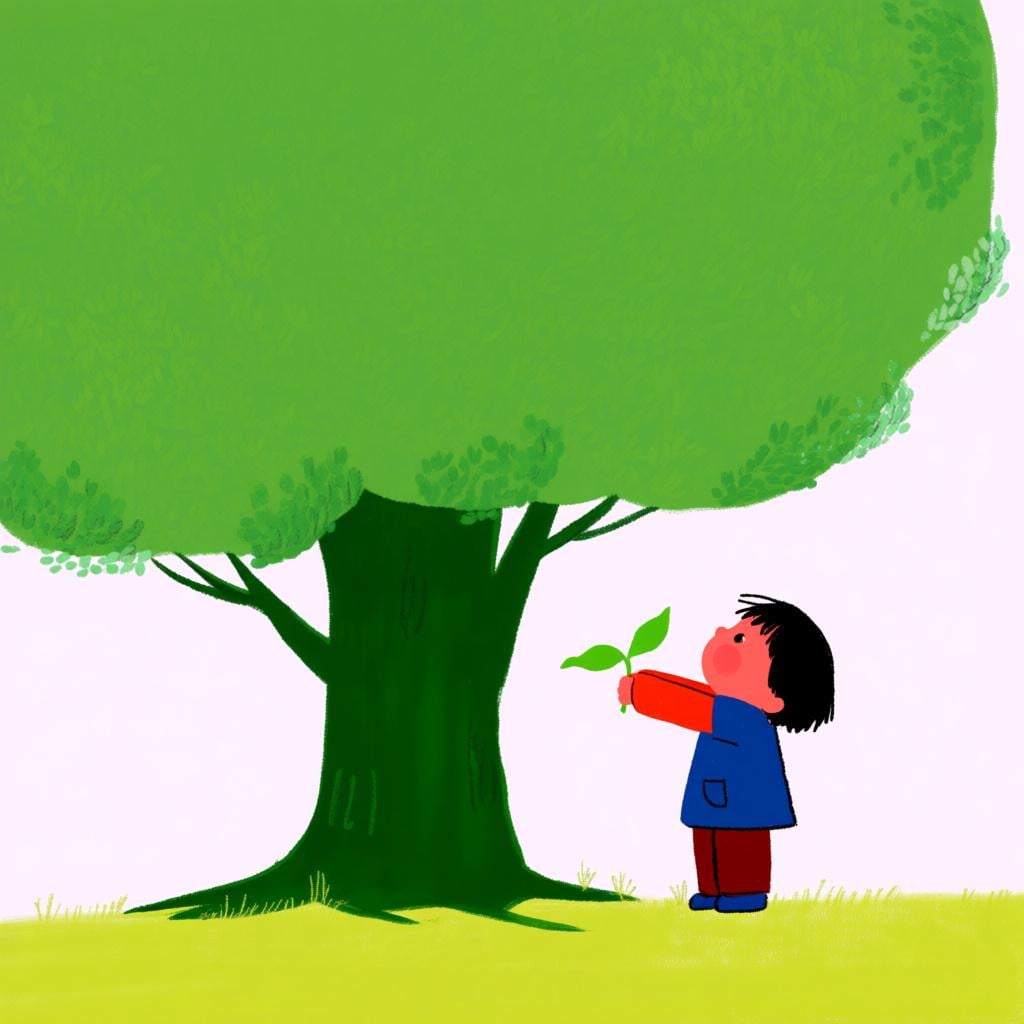
A small child holding a tiny green seedling, looking up at a massive, fully grown tree, symbolizing belief in growth and potential.

When used with 'en' (cree en), it means 'he/she believes in' or 'trusts,' referring to faith or conviction.

cree(Verb)

A2irregular er

he/she believes in

?

Having faith or trust in something/someone

,

you (formal) believe in

?

Same as above, but formal

Also:

he/she trusts

?

Having confidence in someone

📝 In Action

Mi abuela cree en los milagros.

B1

My grandmother believes in miracles.

Él no cree en la política.

B1

He doesn't believe in politics.

La entrenadora cree en su equipo.

A2

The coach believes in her team.

Word Connections

Synonyms

  • confía en (he/she trusts in)
  • tiene fe en (he/she has faith in)

Antonyms

  • desconfía de (he/she distrusts)

Common Collocations

  • cree en Diosbelieves in God
  • cree en sí mismo/abelieves in himself/herself
  • cree en la justiciabelieves in justice

💡 Grammar Points

Always use 'creer en'

When you want to say you 'believe in' something or someone (like a person, an idea, or a concept), you must use the little word 'en' after 'cree'. The structure is 'creer en + [the thing you believe in]'.

❌ Common Pitfalls

Forgetting 'en'

Mistake: "Ella cree fantasmas."

Correction: Ella cree en fantasmas. Without 'en', it sounds like she thinks the ghosts are telling the truth, not that she believes they exist.

⭐ Usage Tips

'Cree que' vs. 'Cree en'

A simple way to remember: use 'cree que' when you're about to say a full sentence or idea ('he thinks that...'). Use 'cree en' when you're talking about having faith in a person or a single concept ('he believes in...').

🔄 Conjugations

indicative

present

él/ella/ustedcree
yocreo
crees
ellos/ellas/ustedescreen
nosotroscreemos
vosotroscreéis

imperfect

él/ella/ustedcreía
yocreía
creías
ellos/ellas/ustedescreían
nosotroscreíamos
vosotroscreíais

preterite

él/ella/ustedcreyó
yocreí
creíste
ellos/ellas/ustedescreyeron
nosotroscreímos
vosotroscreísteis

subjunctive

present

él/ella/ustedcrea
yocrea
creas
ellos/ellas/ustedescrean
nosotroscreamos
vosotroscreáis

imperfect

él/ella/ustedcreyera
yocreyera
creyeras
ellos/ellas/ustedescreyeran
nosotroscreyéramos
vosotroscreyerais

✏️ Quick Practice

💡 Quick Quiz: cree

Question 1 of 1

Which sentence correctly says 'He believes in magic'?

📚 More Resources

Word Family

creer(to believe) - verb

Frequently Asked Questions

What's the difference between 'cree' and 'piensa'?

They are very similar for expressing opinions ('he thinks'). 'Cree' often implies a belief that might not be based on hard facts, while 'piensa' can suggest more active thought or reasoning. In everyday conversation, they are often used interchangeably.

Is 'cree' only for 'he/she/you'?

Most of the time, yes. It's the form for 'él' (he), 'ella' (she), and 'usted' (you, formal). However, it's also the command form for 'tú' (you, informal). For example, a friend might tell you, '¡Cree en ti mismo!' which means 'Believe in yourself!'