creerá
“creerá” means “will believe” in Spanish. It has 2 different meanings depending on context:

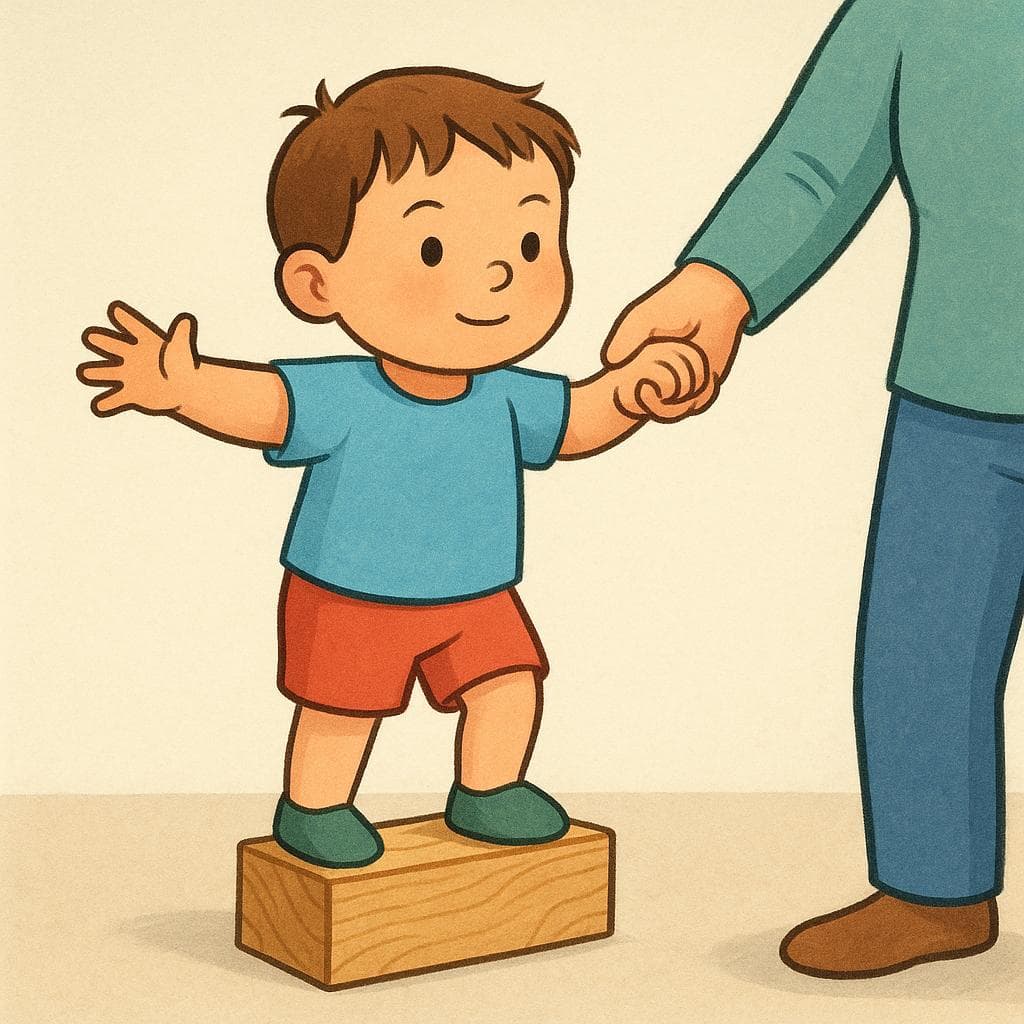
will believe
Also: will think
📝 In Action
Si le muestras las pruebas, él te creerá inmediatamente.
A2If you show him the evidence, he will believe you immediately.
La gente creerá lo que dicen los periódicos.
B1People will believe what the newspapers say.
will trust
Also: will have faith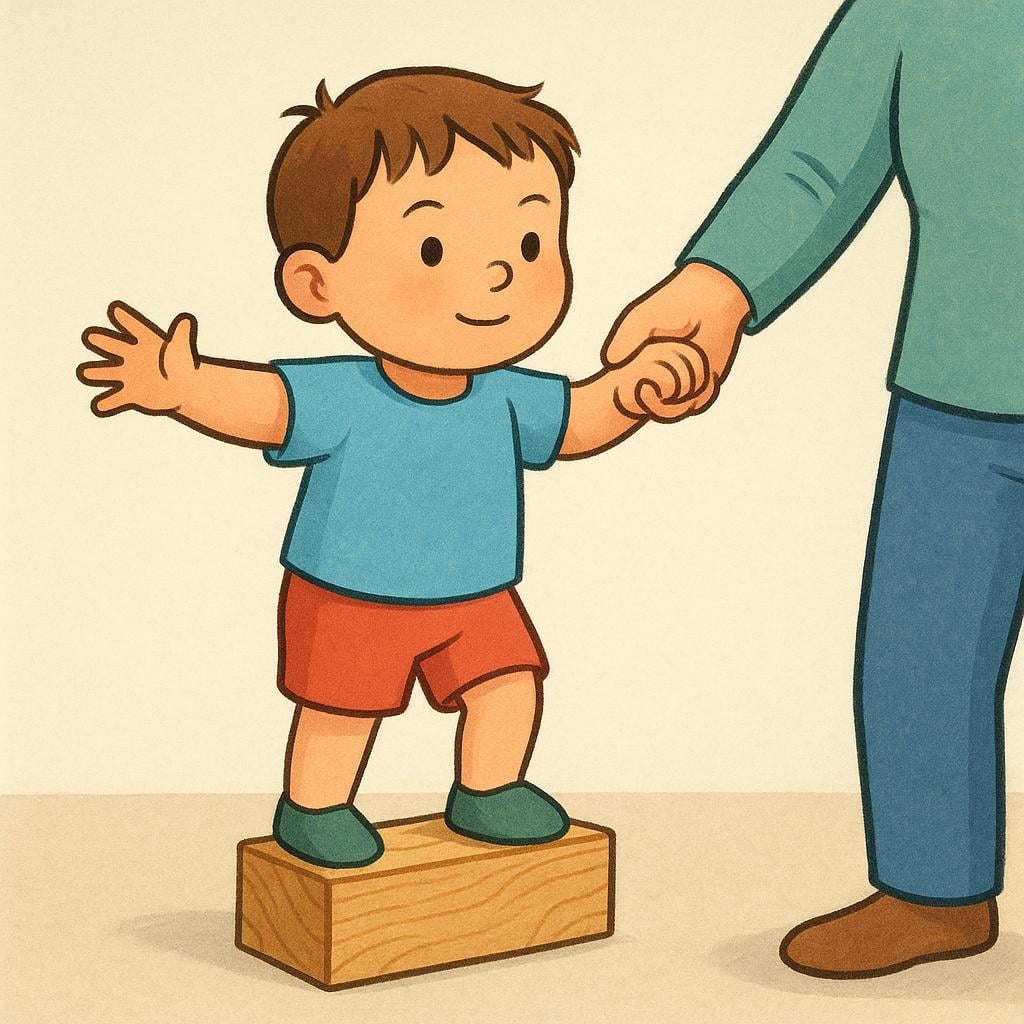
📝 In Action
Aunque sea difícil, ella siempre creerá en su capacidad para triunfar.
B1Even if it's difficult, she will always believe in her ability to succeed.
Si usted le demuestra lealtad, creerá en usted ciegamente.
B2If you show him/her loyalty, he/she/you (formal) will trust you blindly.
🔄 Conjugations
indicative
preterite
present
imperfect
subjunctive
present
imperfect
Translate to Spanish
✏️ Quick Practice
Quick Quiz: creerá
Question 1 of 1
Which sentence correctly uses 'creerá' in the sense of accepting a fact?
📚 More Resources
👥 Word Family▼
🎵 Rhymes▼
📚 Etymology▼
The verb 'creer' comes directly from the Latin word *credere*, which meant 'to entrust' or 'to believe.' The Spanish word has kept its meaning very close to the original Latin.
First recorded: 10th century
Cognates (Related words)
💡 Master Spanish
Take your Spanish to the next level. Read 200+ illustrated and narrated Spanish stories tailored to your level with the Inklingo app!
Frequently Asked Questions
What is the difference between 'creerá' and 'va a creer'?
Both mean 'will believe.' 'Creerá' (the simple future) is often used for predictions or distant future events. 'Va a creer' (the immediate future) is used for events that are certain or happening very soon. Both are correct, but 'creerá' sounds slightly more formal or predictive.
Why does 'creerá' have an accent mark?
The accent mark on the final 'a' is necessary to show that the stress falls on the last syllable, which is a key characteristic of the simple future tense in Spanish. Without it, the word would be stressed incorrectly.