culpables
“culpables” means “guilty” in Spanish. It has 2 different meanings depending on context:

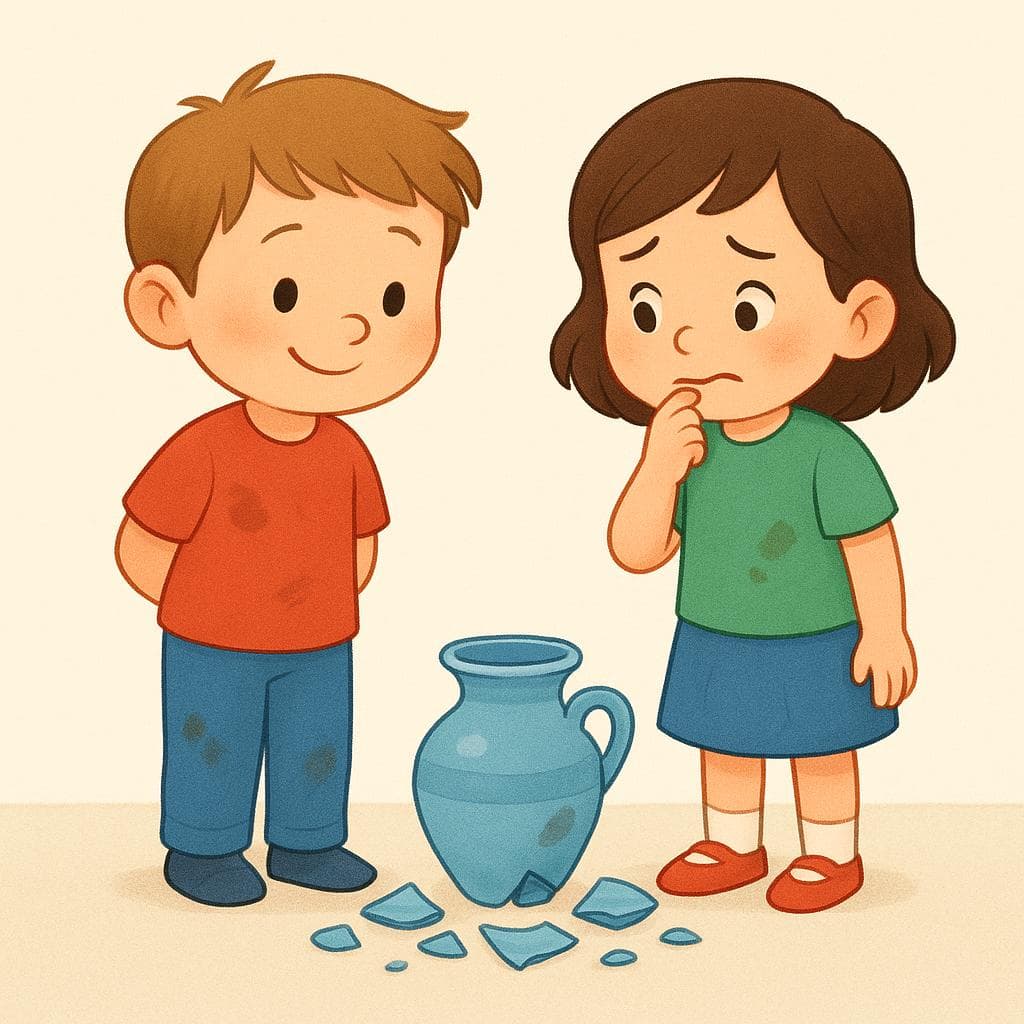
guilty
Also: responsible
📝 In Action
Los testigos confirmaron que ambos eran culpables del accidente.
B1The witnesses confirmed that both were guilty of the accident.
Parece que somos culpables de no haberlo intentado antes.
B2It seems we are guilty of not having tried it sooner.
culprits
Also: guilty parties, offenders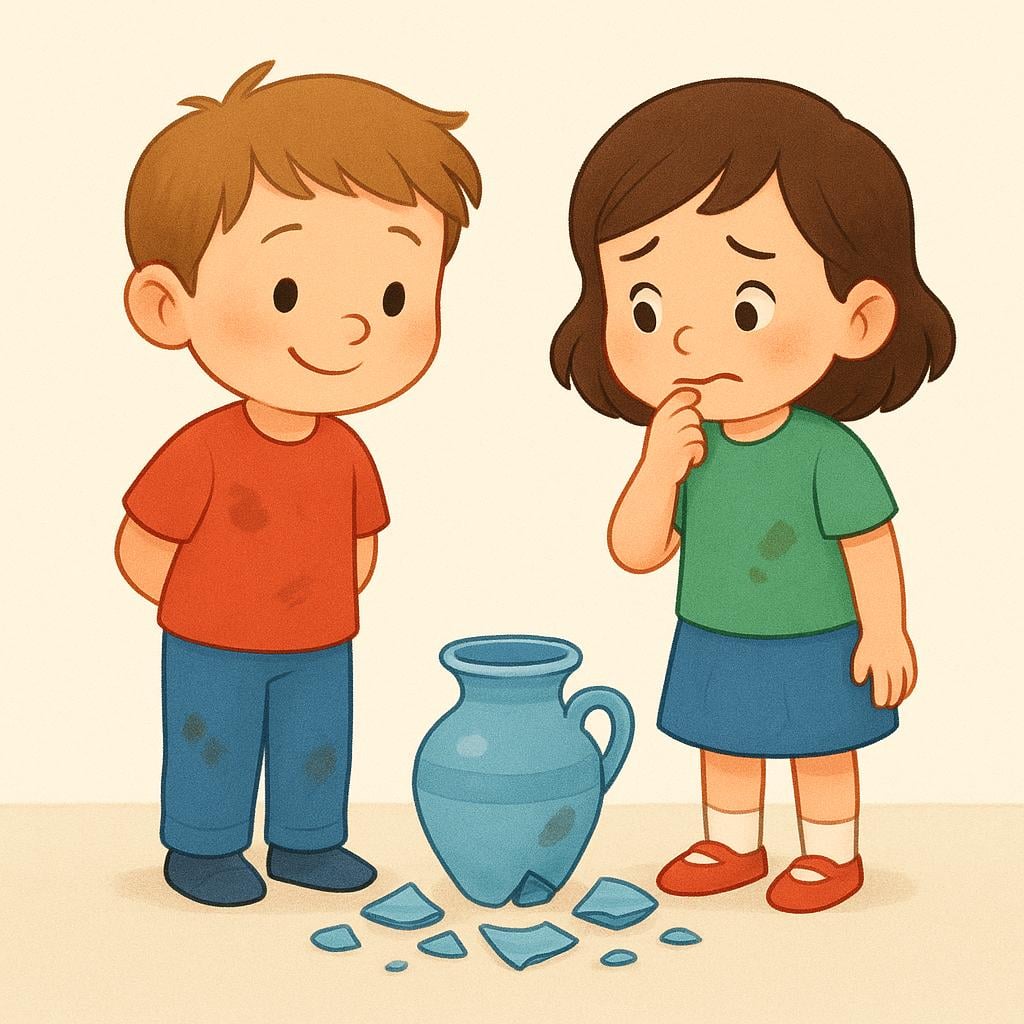
📝 In Action
La investigación identificó a los culpables y los llevó a juicio.
B2The investigation identified the culprits and brought them to trial.
Los culpables deben pagar por sus errores.
B1The guilty ones must pay for their mistakes.
Translate to Spanish
✏️ Quick Practice
Quick Quiz: culpables
Question 1 of 1
Which sentence uses 'culpables' as a noun (referring to the people themselves)?
📚 More Resources
👥 Word Family▼
🎵 Rhymes▼
📚 Etymology▼
The word comes from the Latin root *culpa*, which meant 'fault' or 'blame'. It entered Spanish as 'culpable', meaning 'able to be blamed'.
First recorded: Medieval Spanish
Cognates (Related words)
💡 Master Spanish
Take your Spanish to the next level. Read 200+ illustrated and narrated Spanish stories tailored to your level with the Inklingo app!
Frequently Asked Questions
Does 'culpables' change based on gender?
No, 'culpables' is a single form used for plural groups, regardless of whether the group is masculine ('los hombres') or feminine ('las mujeres'). The singular form is 'culpable' for both genders too.
What is the difference between 'culpables' and 'responsables'?
'Culpables' specifically implies fault, blame, or involvement in a negative act or crime (guilty). 'Responsables' means responsible, which can be positive or negative (e.g., 'responsible for the success' or 'responsible for the accident').