darse
“darse” means “to realize” in Spanish. It has 4 different meanings depending on context:
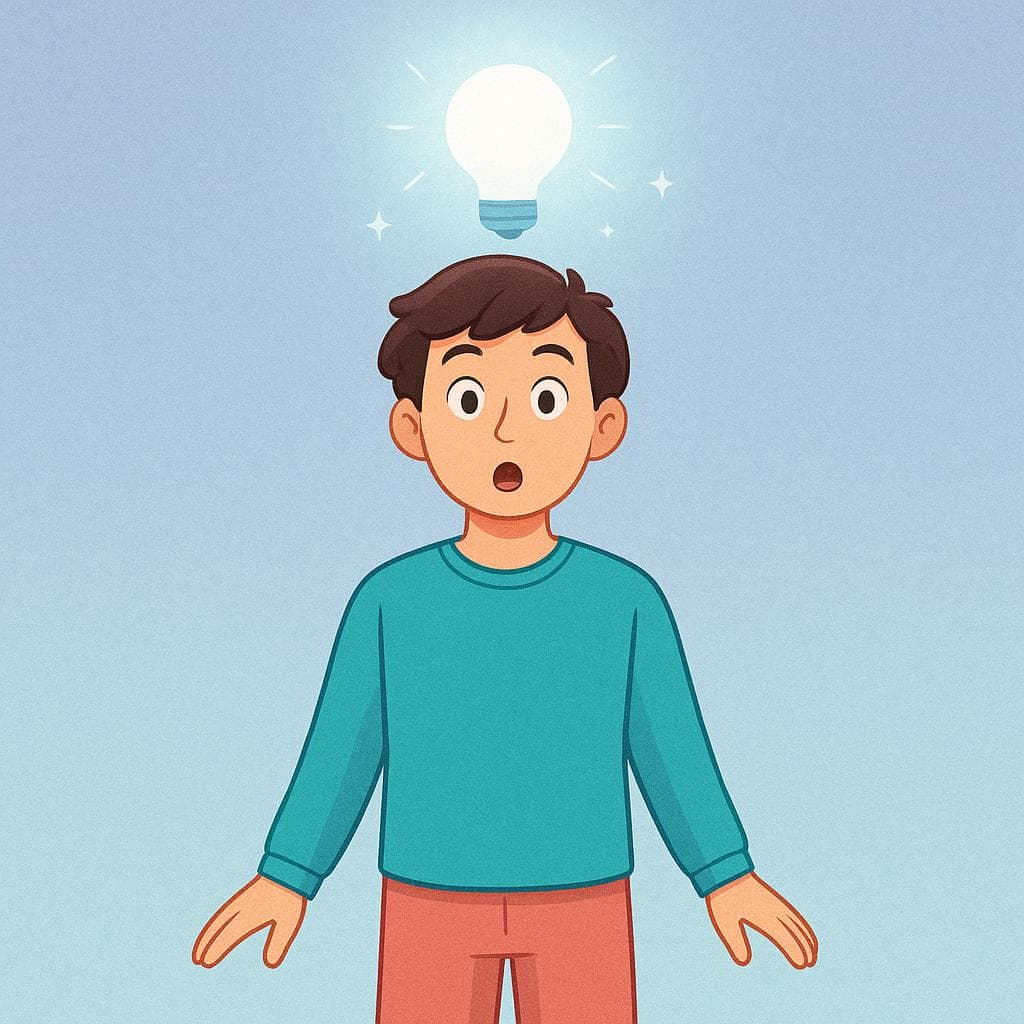


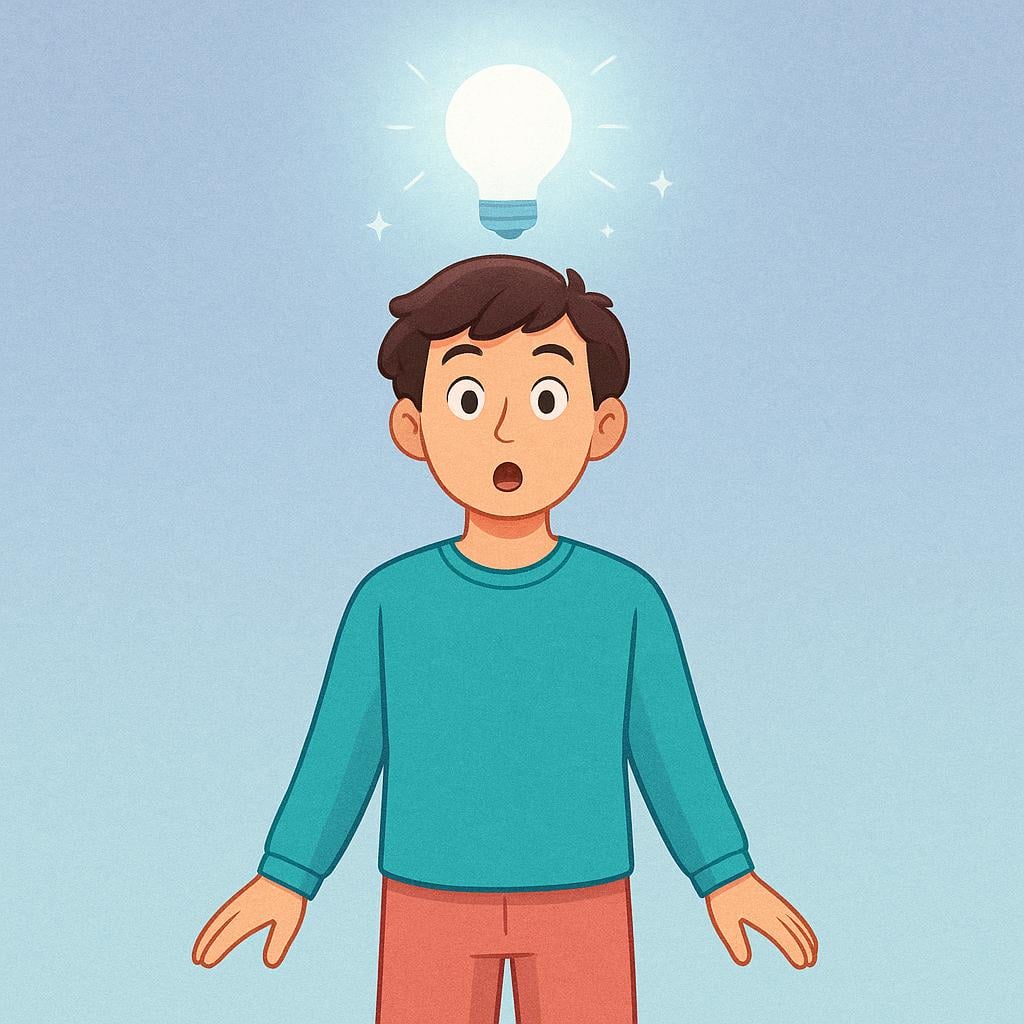
to realize, to noticeAlso: to become aware
📝 In Action
Me di cuenta de que había olvidado las llaves.
A2I realized that I had forgotten the keys.
¿Te das cuenta de lo tarde que es?
B1Do you realize how late it is?
Word Connections
to give (to oneself), to give (to each other)Also: to dedicate oneself

📝 In Action
Los novios se dieron la mano.
A2The engaged couple held hands (gave each other their hands).
Ella se dio un lujo por su cumpleaños.
B1She gave herself a treat for her birthday.
Se dieron a la bebida después de la tragedia.
B2They took to drinking (dedicated themselves to drinking) after the tragedy.
Word Connections
to happen, to existAlso: to yield, to take place
📝 In Action
Este tipo de flor solo se da en climas fríos.
B1This type of flower only grows/is found in cold climates.
Si se da la oportunidad, viajaremos.
B2If the opportunity arises (happens), we will travel.
¿Se da bien la agricultura en esta zona?
B2Does agriculture do well (yield results) in this area?
Word Connections
to surrender, to consider oneself

📝 In Action
El equipo se dio por vencido antes del descanso.
B2The team gave up (considered itself defeated) before halftime.
Nos dimos por satisfechos con el resultado.
B2We considered ourselves satisfied with the result.
Word Connections
Indicative
Present
Imperfect
Preterite
Subjunctive
Present Subjunctive
Imperfect Subjunctive
🔀 Commonly Confused With
Translate to Spanish
Words that translate to "darse" in Spanish:
✏️ Quick Practice
Quick Quiz: darse
Question 1 of 2
Which sentence uses 'darse' in the common idiomatic sense of 'to realize'?
📚 More Resources
👥 Word Family
🎵 Rhymes
📚 Etymology
The word 'darse' is the combination of the common Spanish verb 'dar' (to give) and the reflexive pronoun 'se' (oneself). The root verb 'dar' comes directly from the Latin word *dare*, meaning 'to give.' Because it is reflexive, the action of giving always circles back to the person doing the action, which is why it means 'to give to oneself' or, more often, 'to cause something to happen to oneself' (like realizing something).
First recorded: Pre-10th century (as *dar*)
Cognates (Related words)
💡 Master Spanish
Take your Spanish to the next level. Read 200+ illustrated and narrated Spanish stories tailored to your level with the Inklingo app!
Frequently Asked Questions
Is 'darse' the same as 'dar'?
No. 'Dar' means 'to give' (to someone else). 'Darse' means 'to give to oneself' or 'to give to each other,' but it is most often used in special phrases like 'darse cuenta' (to realize) or 'darse prisa' (to hurry).
Why is the 'yo' form 'doy' and not 'do'?
The verb 'dar' is irregular in the first person singular (yo) of the present tense. It keeps the 'y' from its older Latin root, making it 'yo doy' (I give) and therefore 'yo me doy' (I give myself).