dará
“dará” means “will give” in Spanish. It has 3 different meanings depending on context:

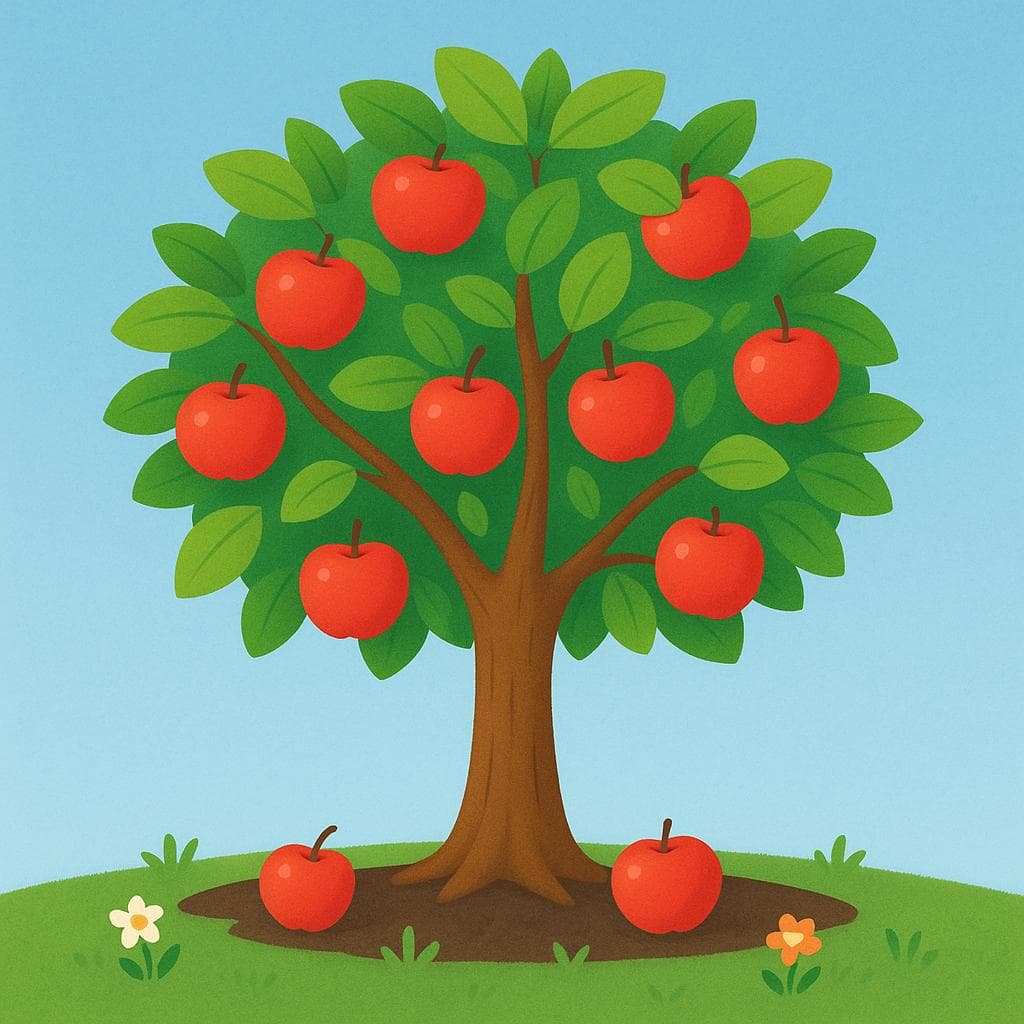

will give
Also: will hand over, will present
📝 In Action
Ella le dará el informe al director mañana.
A1She will give the report to the director tomorrow.
Usted me dará su respuesta antes del lunes.
A2You (formal) will give me your answer before Monday.
will produce, will cause
Also: will result in, will bear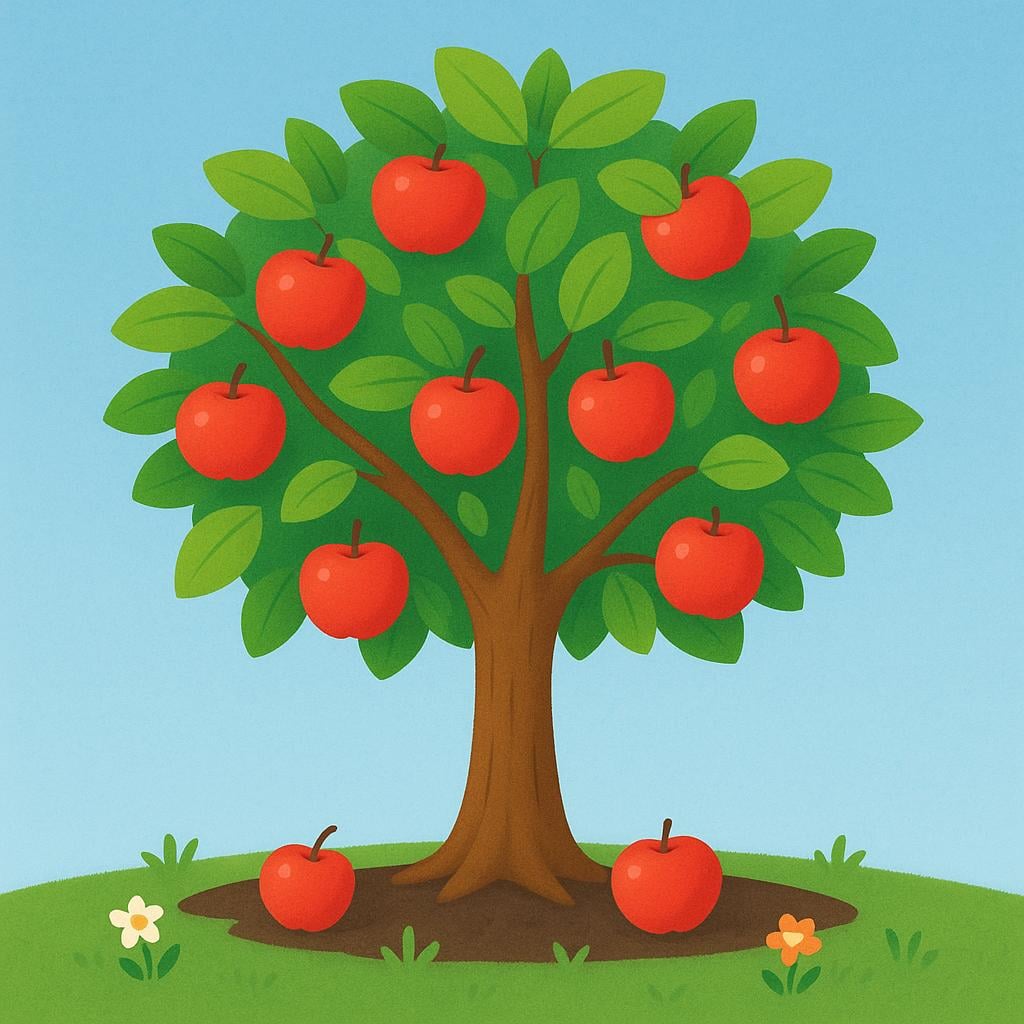
📝 In Action
La nueva ley dará beneficios a las familias.
B1The new law will bring benefits to families.
Su inversión dará frutos en unos meses.
B2Your investment will bear fruit (will pay off) in a few months.
will teach, will host
Also: will offer
📝 In Action
El profesor dará su última clase el jueves.
B1The professor will teach his last class on Thursday.
Mi empresa dará una fiesta de Navidad este año.
B1My company will host a Christmas party this year.
🔄 Conjugations
indicative
present
imperfect
preterite
subjunctive
present
imperfect
Translate to Spanish
Words that translate to "dará" in Spanish:
will give→will host→will offer→will present→will produce→will teach→✏️ Quick Practice
Quick Quiz: dará
Question 1 of 1
Which sentence uses 'dará' in the sense of 'to cause or produce'?
📚 More Resources
👥 Word Family▼
🎵 Rhymes▼
📚 Etymology▼
Comes directly from the Latin verb *dare*, which means 'to give, present, or offer.' The core meaning has remained extremely stable for thousands of years.
First recorded: Old Spanish (prior to 12th century)
Cognates (Related words)
💡 Master Spanish
Take your Spanish to the next level. Read 200+ illustrated and narrated Spanish stories tailored to your level with the Inklingo app!
Frequently Asked Questions
Is 'dará' related to 'para' (for)?
No, they come from entirely different Latin roots. 'Dará' (will give) comes from *dare*. 'Para' (for/in order to) comes from *pro* (for) and *ad* (to).
Why is 'doy' (I give) irregular, but 'dará' (he will give) looks regular?
Many verbs in Spanish have different levels of irregularity depending on the tense. 'Dar' is strongly irregular in the Present Tense ('doy') and Preterite ('di'), but its Simple Future tense ('dará') follows the standard pattern of adding endings to the infinitive 'dar'.