debías
“debías” means “you should (have)” in Spanish. It has 2 different meanings depending on context:

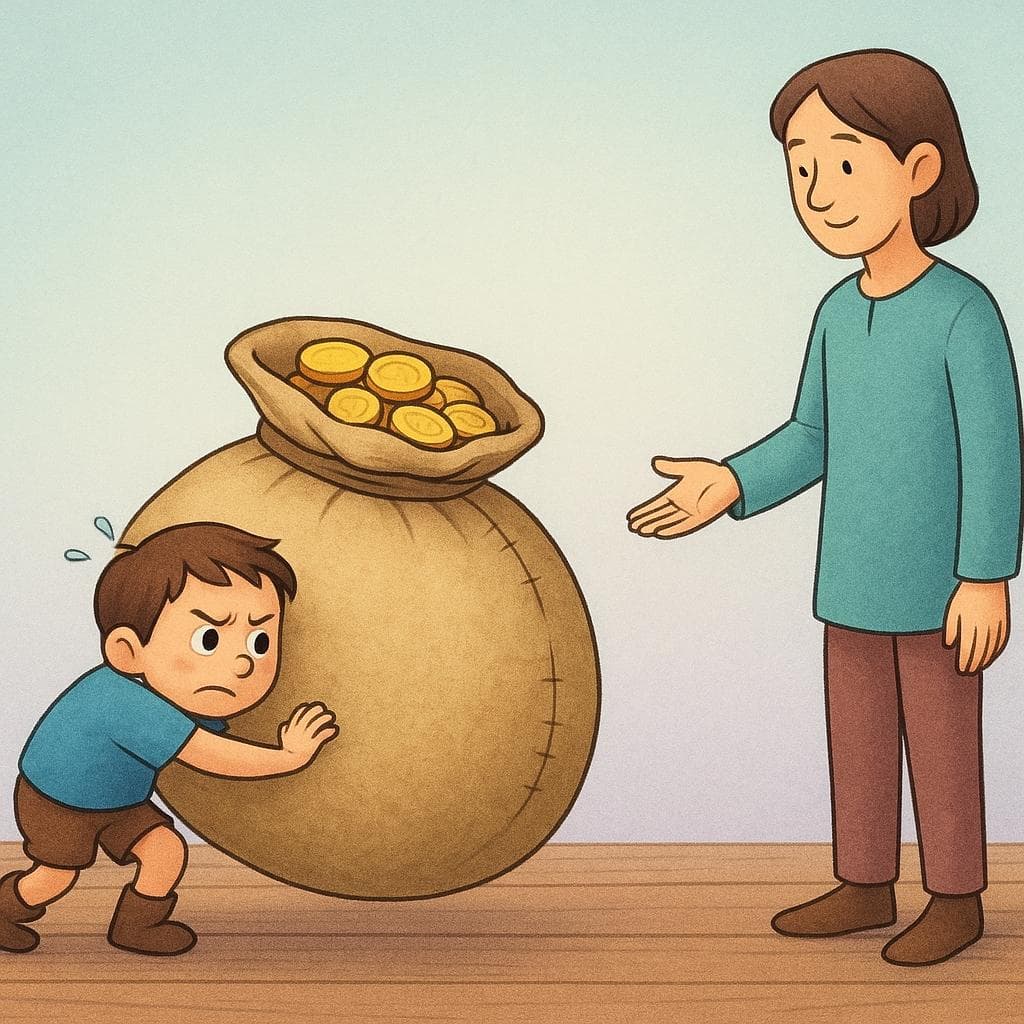
you should (have), you were supposed toAlso: you ought to (have)

📝 In Action
Me dijiste que debías llamarme anoche.
A2You told me you were supposed to call me last night.
Debías poner más atención a lo que te explicaban.
B1You should have paid more attention to what they were explaining to you.
¿Por qué no viniste? Debías estar aquí a las ocho.
A2Why didn't you come? You were supposed to be here at eight.
Word Connections
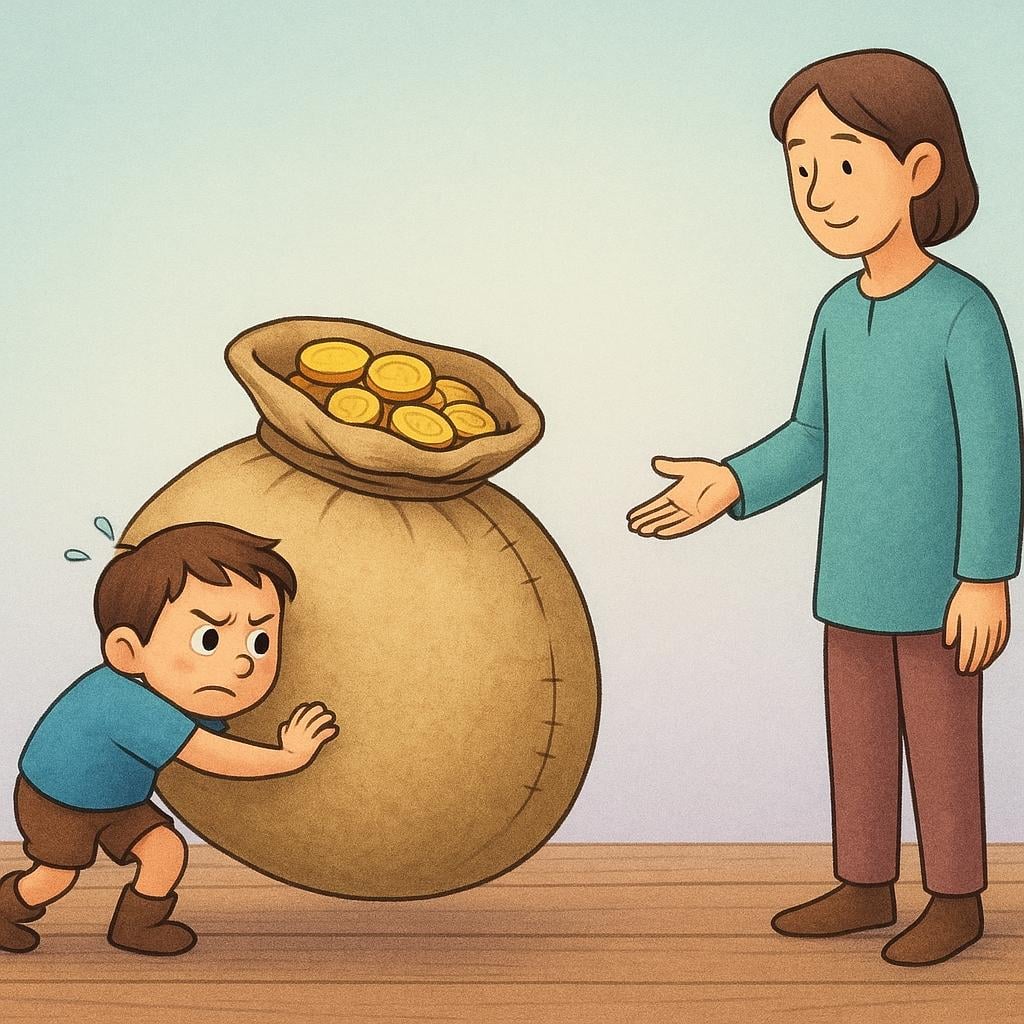
you owed, you were indebted to
📝 In Action
Cuando vivías aquí, siempre me debías diez dólares.
A2When you lived here, you always owed me ten dollars.
Según la cuenta, tú debías el doble que yo.
B1According to the bill, you owed double what I did.
Word Connections
Indicative
Present
Imperfect
Preterite
Subjunctive
Present Subjunctive
Imperfect Subjunctive
Translate to Spanish
Words that translate to "debías" in Spanish:
✏️ Quick Practice
Quick Quiz: debías
Question 1 of 2
Which sentence correctly uses 'debías' to mean 'you owed money'?
📚 More Resources
🎵 Rhymes
📚 Etymology
Comes from the Latin verb *debere*, meaning 'to owe' or 'to be bound to.' This original meaning of obligation is still the core of the Spanish verb.
First recorded: 10th century
Cognates (Related words)
💡 Master Spanish
Take your Spanish to the next level. Read 200+ illustrated and narrated Spanish stories tailored to your level with the Inklingo app!
Frequently Asked Questions
What is the difference between 'debías' and 'debiste'?
'Debías' (imperfect) describes a continuous or general obligation in the past ('You were supposed to do this' or 'You always owed me money'). 'Debiste' (preterite) describes a completed past obligation or is often used to express strong probability in the past ('You must have left at eight').
Is 'debías' formal or informal?
'Debías' is the 'tú' form, meaning it is used when speaking informally to one person (a friend, family member, or child). For formal situations, you would use 'debía' (usted form).