Inklingo

debieron

/deh-BYEH-rohn/

they had to

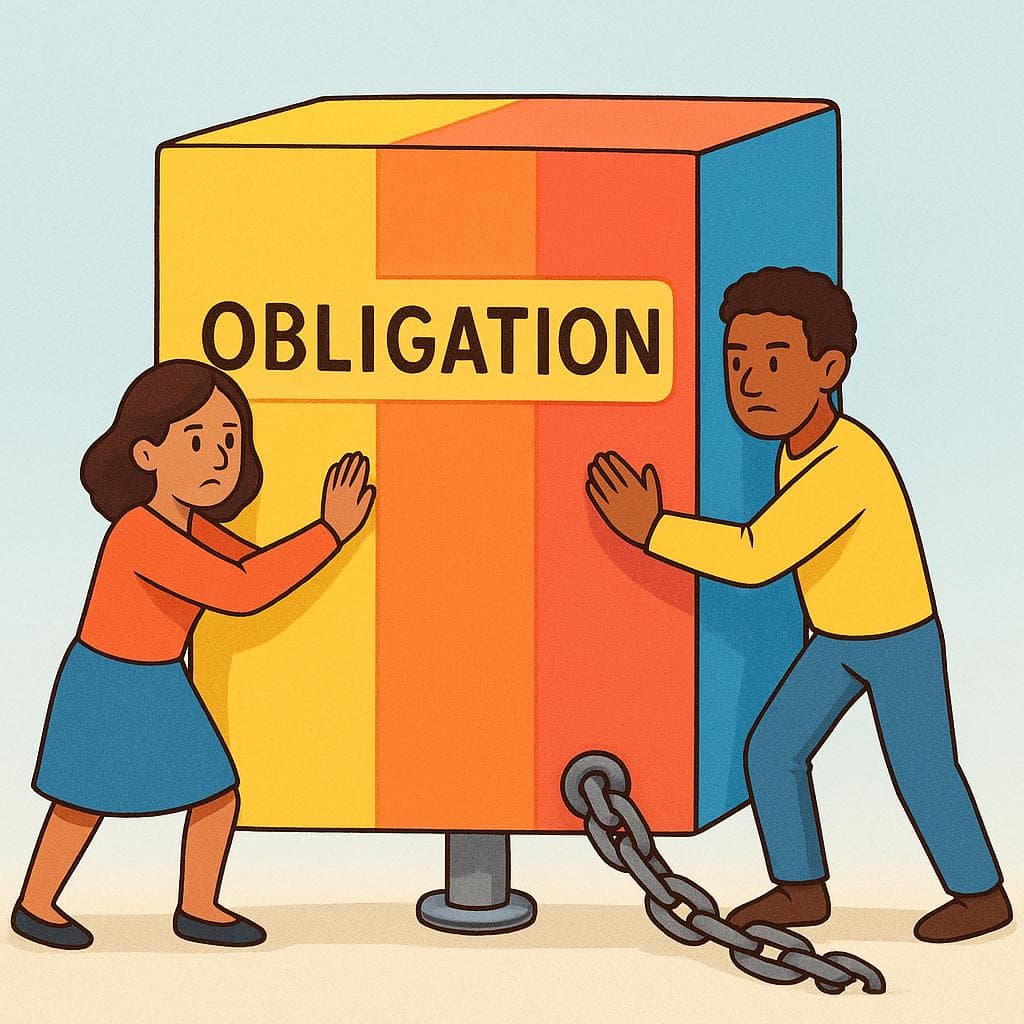
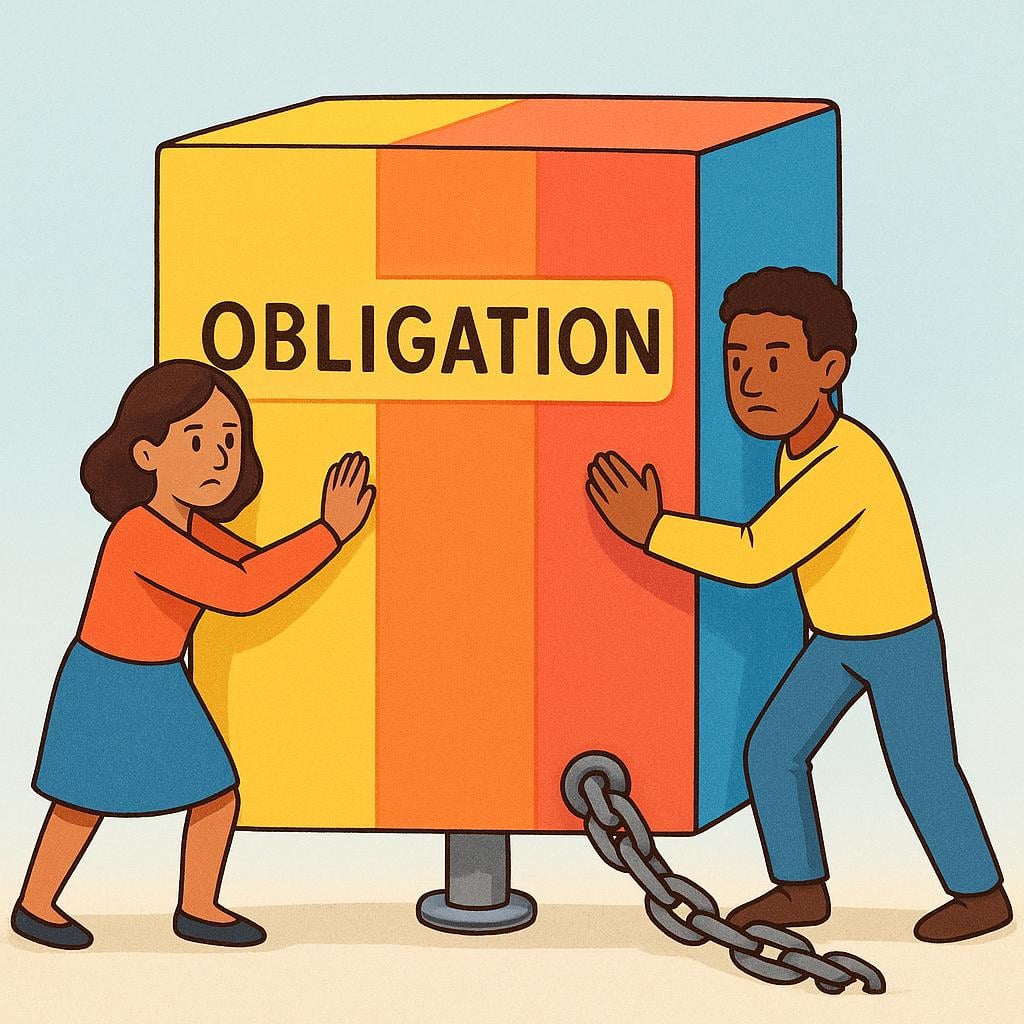
A storybook illustration showing a man and a woman looking determinedly at a massive, colorful block they are preparing to push, symbolizing a necessary task or obligation.

The image shows two figures facing a huge block they 'had to' move, illustrating past obligation.

debieron(verb)

A2regular (in its conjugation pattern) er

they had to

?

past necessity or obligation

Also:

you all had to

?

formal plural address (ustedes)

,

they were supposed to

?

implied duty

📝 In Action

Ellos debieron firmar el contrato antes del mediodía.

A2

They had to sign the contract before noon.

Ustedes debieron avisar si el vuelo se retrasaba.

B1

You all (formal) were supposed to notify us if the flight was delayed.

Las niñas debieron estudiar más para el examen.

A2

The girls had to study more for the exam.

Word Connections

Synonyms

  • tuvieron que (they had to (simple necessity))
  • necesitaron (they needed)

Common Collocations

  • debieron irsethey had to leave
  • debieron esperarthey had to wait

💡 Grammar Points

Function of 'Debieron'

This form of 'deber' is used to talk about a specific obligation or requirement that existed and was met (or should have been met) at a definite moment in the past.

❌ Common Pitfalls

Preterite vs. Imperfect

Mistake: "Using 'debían' when talking about a single, completed past action."

Correction: Use 'debieron' for a specific past action ('They had to leave immediately'). Use 'debían' to talk about an ongoing or repeated past duty ('They always had to work hard').

⭐ Usage Tips

Always Follow with an Action

When 'debieron' expresses obligation, it is always followed immediately by a verb in its base form (the infinitive): 'debieron + comer' (they had to eat).

A storybook illustration of a fox and a bear, acting as investigators and wearing magnifying glasses, examining footprints near a puddle of spilled paint, representing a conclusion about a past event.

The fox and bear observing the scene illustrate the idea of making a strong assumption about what 'must have' happened previously.

debieron(verb)

B2regular (in its conjugation pattern) er

they must have

?

past assumption or probability

Also:

they probably

?

past guess

📝 In Action

No contestan el teléfono. Debieron salir de viaje.

B2

They aren't answering the phone. They must have left on a trip.

Los estudiantes no vinieron. Debieron enfermarse.

B2

The students didn't come. They must have gotten sick.

Word Connections

Synonyms

💡 Grammar Points

Expressing Past Probability

When used alone (not with 'deber de'), 'debieron' expresses that the speaker is making a strong logical guess about a past event: 'They must have done X.'

⭐ Usage Tips

Guessing in the Past

This is a great way to sound more fluent when making assumptions. If you see evidence (like an empty parking spot), you can say 'Debieron irse' (They must have left).

A storybook illustration depicting a rabbit and a squirrel carefully handing a small bag of gold coins to an owl, symbolizing the repayment of something they owed.

This image depicts the repayment of a debt, showing what 'they owed' in the past.

debieron(verb)

B1regular (in its conjugation pattern) er

they owed

?

past debt (money or favor)

📝 In Action

Ellos debieron diez mil dólares al banco.

B1

They owed ten thousand dollars to the bank.

Los países debieron tributos al imperio romano.

B2

The countries owed tributes to the Roman Empire.

Word Connections

Synonyms

  • adeudaron (they indebted)

Antonyms

Common Collocations

  • debieron dinerothey owed money

💡 Grammar Points

Direct Object Needed

When 'debieron' means 'owed,' it must have a direct object (what was owed): 'Debieron el libro' (They owed the book).

🔄 Conjugations

indicative

preterite

él/ella/usteddebió
ellos/ellas/ustedesdebieron
vosotrosdebisteis
nosotrosdebimos
yodebí
debiste

present

él/ella/usteddebe
ellos/ellas/ustedesdeben
vosotrosdebéis
nosotrosdebemos
yodebo
debes

imperfect

él/ella/usteddebía
ellos/ellas/ustedesdebían
vosotrosdebíais
nosotrosdebíamos
yodebía
debías

subjunctive

present

él/ella/usteddeba
ellos/ellas/ustedesdeban
vosotrosdebáis
nosotrosdebamos
yodeba
debas

imperfect

él/ella/usteddebiera/debiese
ellos/ellas/ustedesdebieran/debiesen
vosotrosdebierais/debieseis
nosotrosdebiéramos/debiésemos
yodebiera/debiese
debieras/debieses

✏️ Quick Practice

💡 Quick Quiz: debieron

Question 1 of 1

Which English sentence is the best translation for 'Ellos debieron estar cansados después del maratón'?

📚 More Resources

Word Family

Frequently Asked Questions

What is the difference between 'debieron' and 'debían'?

'Debieron' (the simple past) refers to a specific obligation or necessity that occurred and was completed at a defined time: 'They had to finish the report yesterday.' 'Debían' (the imperfect past) refers to an ongoing, habitual, or implied duty in the past, often translated as 'They used to have to' or 'They should have' (when expressing regret).