dedica
“dedica” means “dedicates” in Spanish. It has 2 different meanings depending on context:
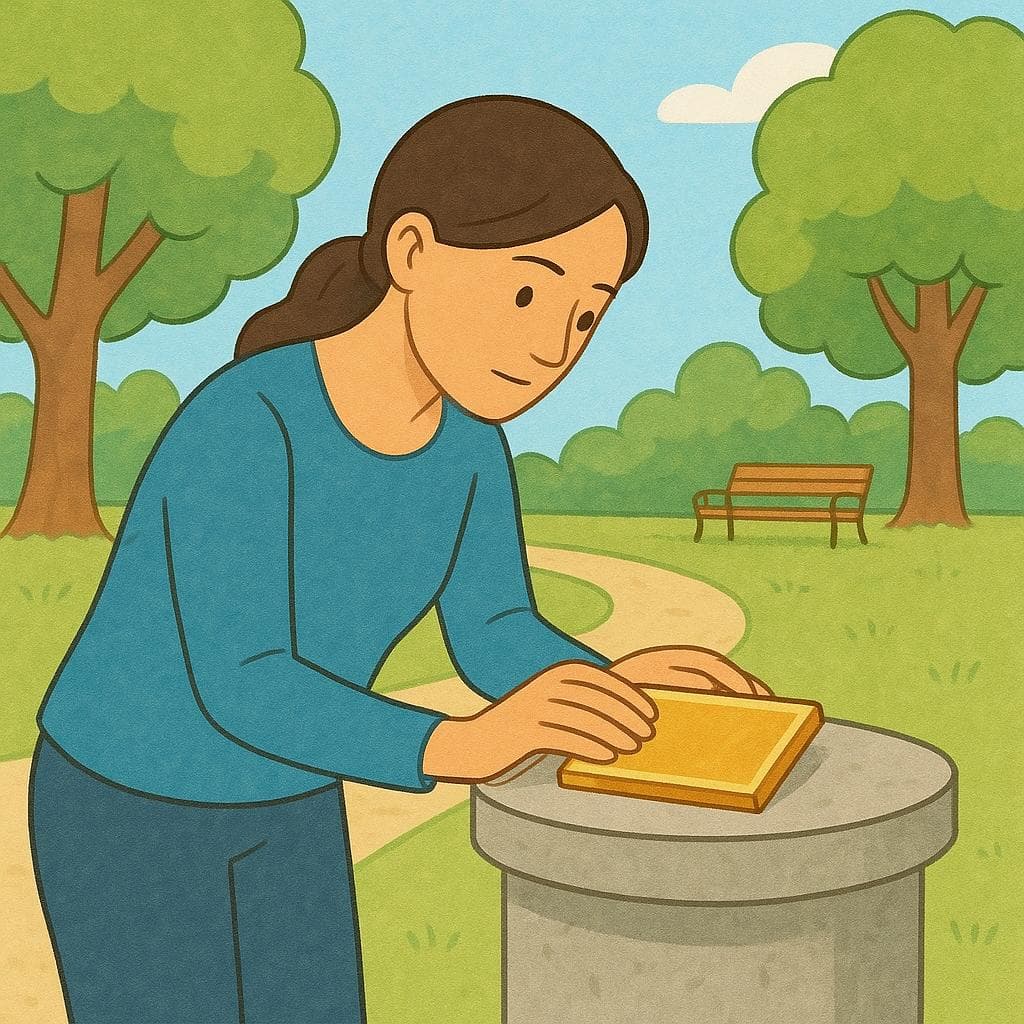

dedicates, devotes
Also: dedicate!, inscribes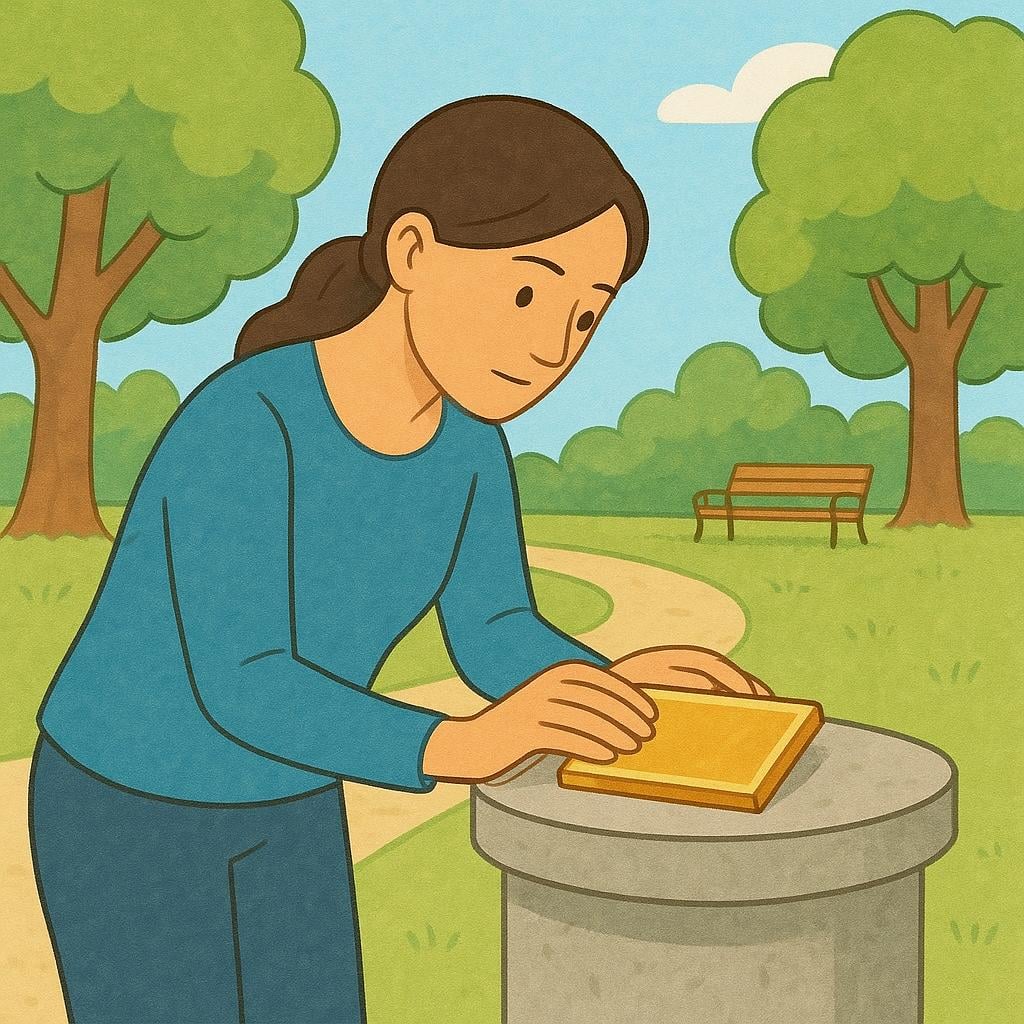
📝 In Action
Mi jefe dedica 10 horas al día a este proyecto.
A2My boss dedicates 10 hours a day to this project.
Ella dedica la mayor parte de su energía a cuidar a sus hijos.
B1She devotes most of her energy to raising her children.
¡Dedica todo tu esfuerzo al examen!
A2Dedicate all your effort to the exam!
works as, is devoted to
Also: specializes in
📝 In Action
¿A qué se dedica su hermano?
B1What does your brother do for a living?
Mi madre se dedica a la jardinería después de jubilarse.
B1My mother is devoted to gardening after retiring.
El equipo se dedica solo a resolver ese problema.
B2The team is dedicated only to solving that problem.
Indicative
Imperfect
Present
Preterite
Subjunctive
Imperfect Subjunctive
Present Subjunctive
Translate to Spanish
Words that translate to "dedica" in Spanish:
dedicate!→dedicates→devotes→inscribes→specializes in→works as→✏️ Quick Practice
Quick Quiz: dedica
Question 1 of 2
Which sentence correctly uses 'dedica' to talk about a job?
📚 More Resources
👥 Word Family▼
🎵 Rhymes▼
📚 Etymology▼
Comes from the Latin verb *dedicare*, meaning 'to proclaim' or 'to set aside.' This origin perfectly captures the Spanish meaning of setting aside time or effort for a specific purpose.
First recorded: 13th century
Cognates (Related words)
💡 Master Spanish
Take your Spanish to the next level. Read 200+ illustrated and narrated Spanish stories tailored to your level with the Inklingo app!
Frequently Asked Questions
What is the difference between 'dedica' and 'se dedica'?
'Dedica' (without the 'se') means someone is giving time, effort, or an object (like a book) to something else. 'Se dedica' (with the 'se') means someone is dedicated to an activity or works in a specific field, usually referring to their profession.
Does 'dedica' change spelling in the past tense?
Yes, its base verb 'dedicar' is a regular -AR verb, but it changes to 'dediqué' in the 'yo' form of the past tense to maintain the hard 'k' sound.