explica
“explica” means “explains” in Spanish. It has 2 different meanings depending on context:

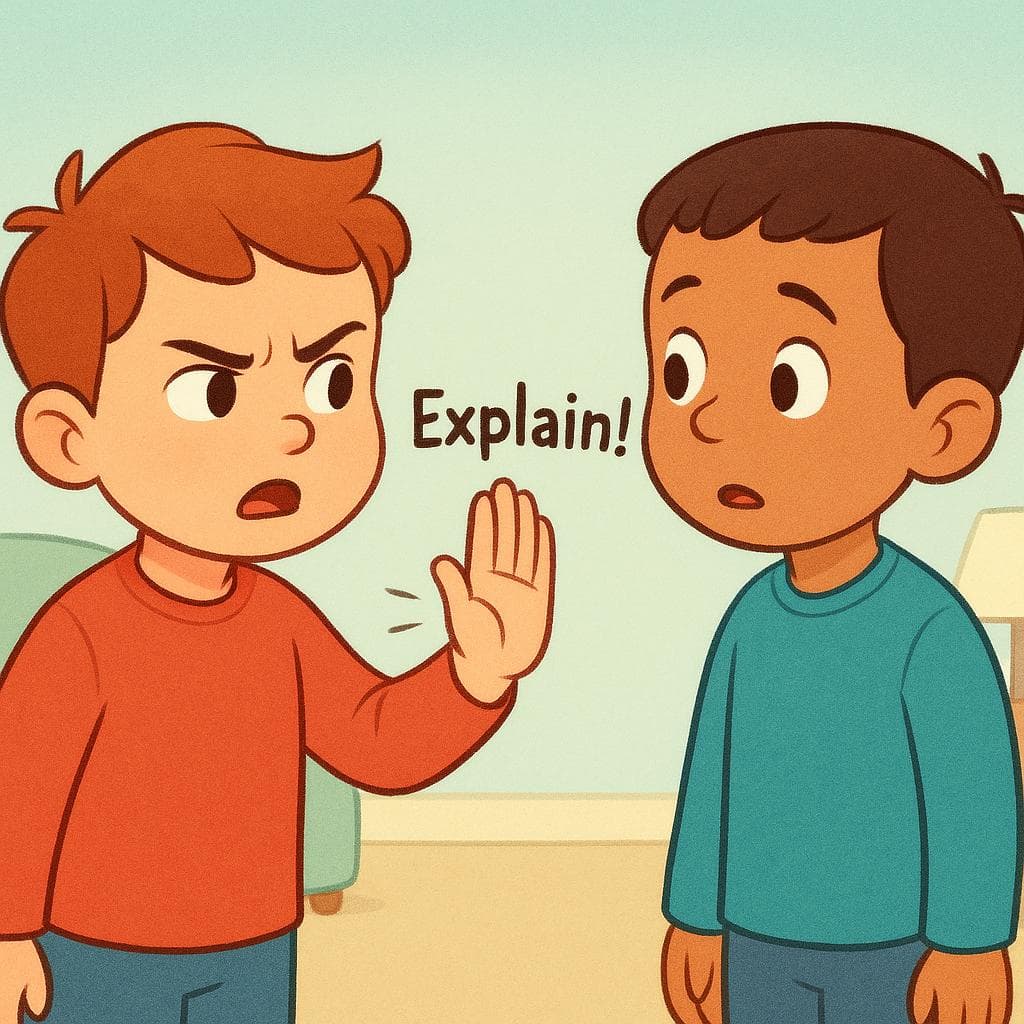
explains, is explainingAlso: clarifies
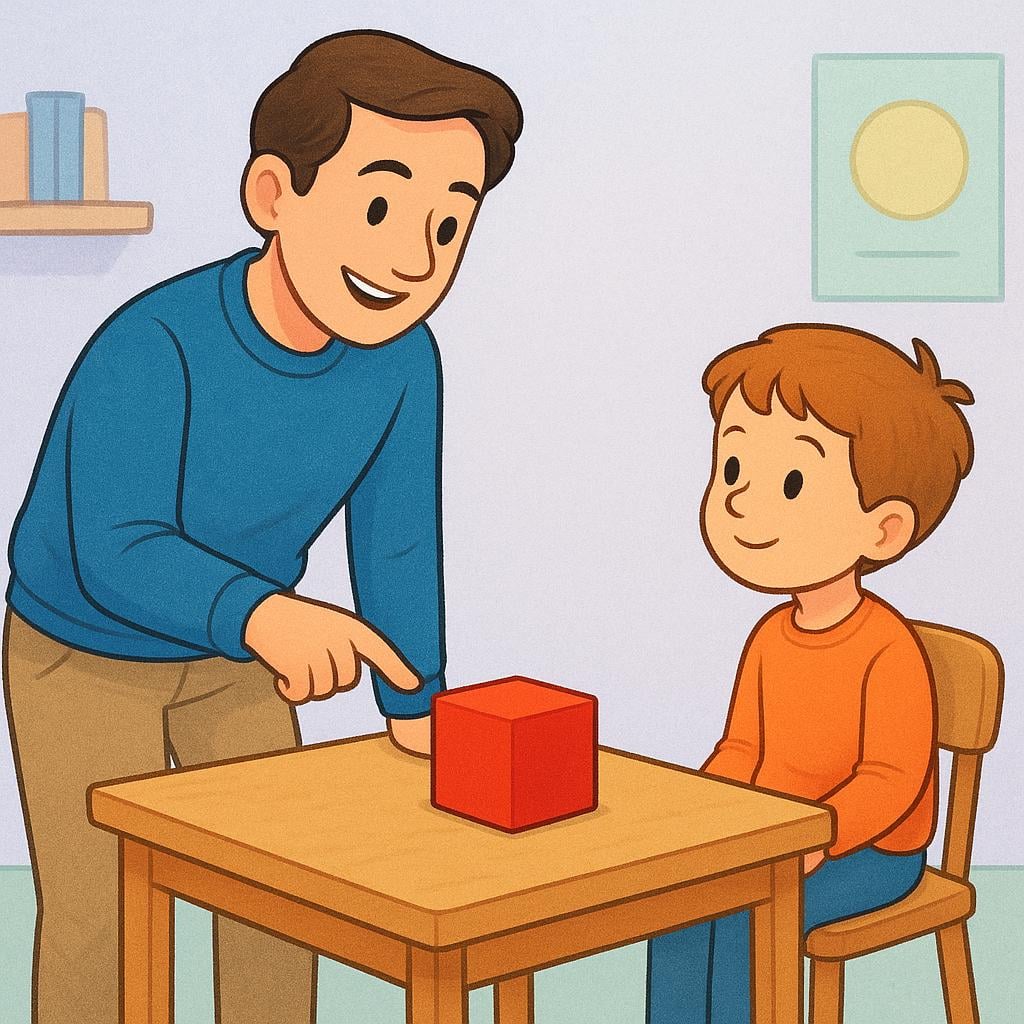
📝 In Action
Mi madre siempre explica las recetas de cocina con mucha paciencia.
A1My mother always explains the cooking recipes with a lot of patience.
Usted explica el problema, y yo busco la solución.
A2You (formal) explain the problem, and I look for the solution.
El libro explica cómo funciona el motor paso a paso.
A1The book explains how the engine works step by step.
Word Connections
Explain!Also: Clarify!
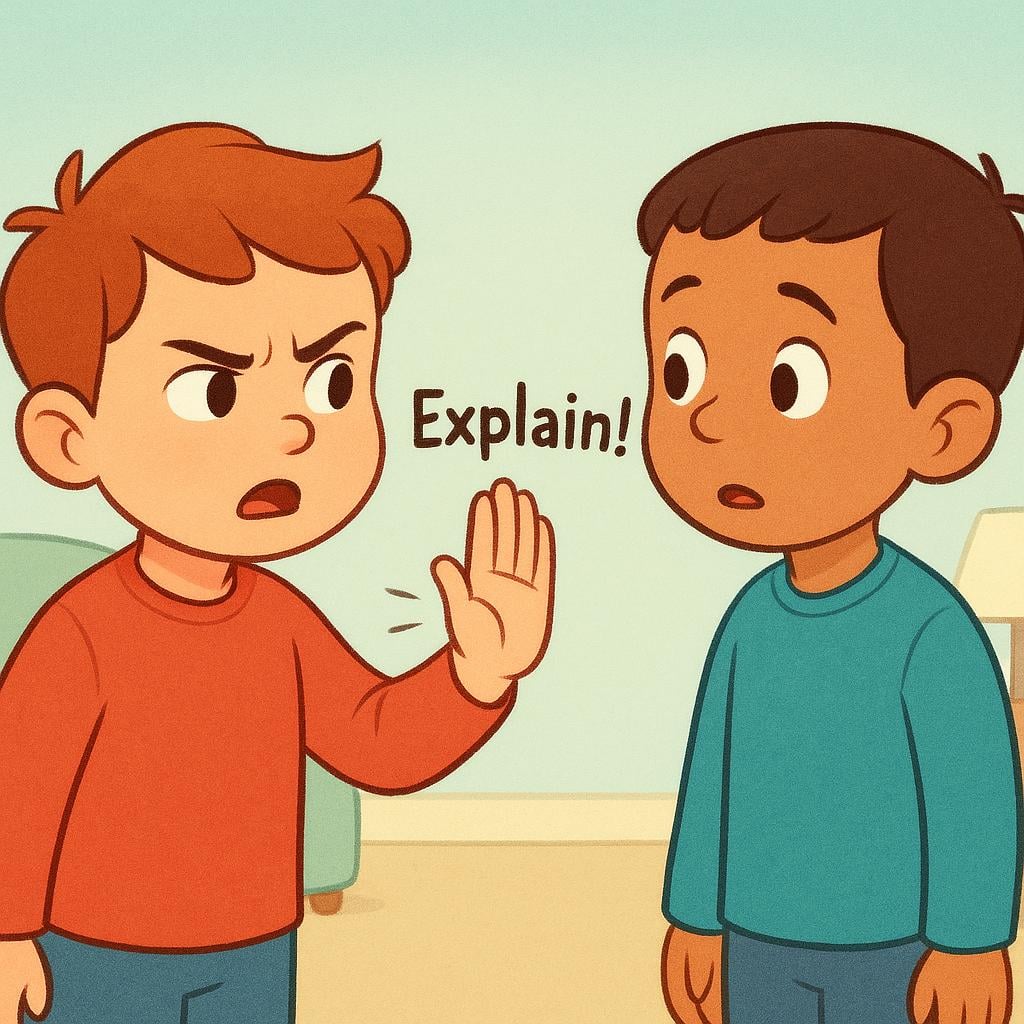
📝 In Action
¡Explica tu decisión! No la entiendo.
A2Explain your decision! I don't understand it.
Si no lo sabes, ¡explica lo que pasó!
A2If you don't know it, explain what happened!
Indicative
Present
Imperfect
Preterite
Subjunctive
Present Subjunctive
Imperfect Subjunctive
Translate to Spanish
Words that translate to "explica" in Spanish:
✏️ Quick Practice
Quick Quiz: explica
Question 1 of 1
Which sentence uses 'explica' as a direct command?
📚 More Resources
👥 Word Family
🎵 Rhymes
📚 Etymology
The word comes from the Latin verb *explicāre*, which originally meant 'to unfold' or 'to spread out.' Over time, this evolved to mean 'to unfold the meaning' of something, leading directly to the modern meaning 'to explain.'
First recorded: Around the 13th century in Spanish.
Cognates (Related words)
💡 Master Spanish
Take your Spanish to the next level. Read 200+ illustrated and narrated Spanish stories tailored to your level with the Inklingo app!
Frequently Asked Questions
Why does 'explica' mean two different things (He explains / Explain!)?
This is a common feature in Spanish! For regular verbs like 'explicar', the informal command form ('tú') is identical to the third-person present tense form ('él/ella/usted'). You have to figure out the meaning based on the context of the conversation.
Is 'explica' a regular verb?
Yes, 'explicar' is a regular verb, but be careful in the preterite and subjunctive tenses. To keep the hard 'k' sound, the 'c' changes to 'qu' before 'e' (e.g., 'yo expliqué'). This is a spelling change, not an irregularity.