desembocar
“desembocar” means “to flow into” in Spanish (rivers and bodies of water).
to flow into, to lead into
Also: to result in, to end up in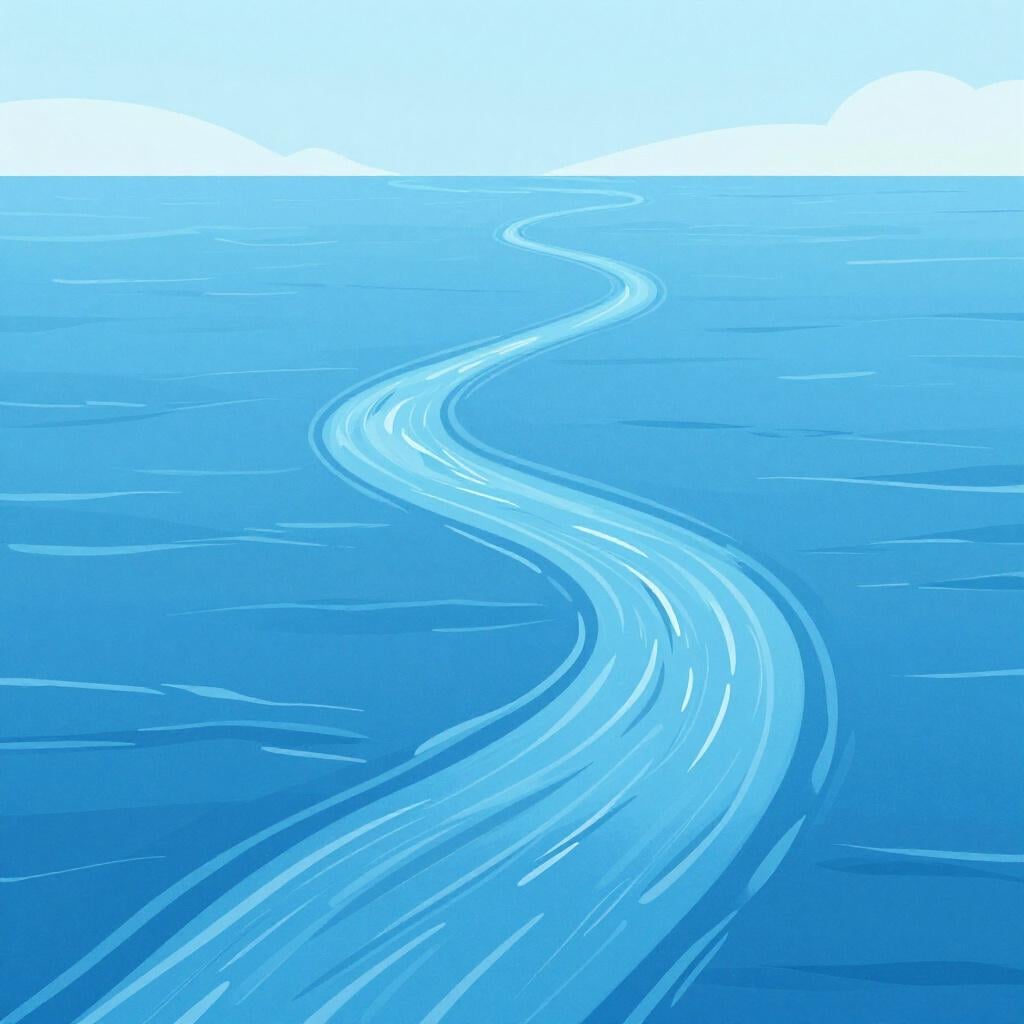
📝 In Action
El río Amazonas desemboca en el océano Atlántico.
A2The Amazon River flows into the Atlantic Ocean.
Al final del pasillo, la escalera desemboca en una habitación grande.
B1At the end of the hallway, the stairs lead into a large room.
Nuestra falta de comunicación desembocó en un gran problema.
B2Our lack of communication resulted in a big problem.
Subjunctive
Imperfect Subjunctive
Present Subjunctive
Indicative
Preterite
Imperfect
Present
✏️ Quick Practice
Quick Quiz: desembocar
Question 1 of 3
Which preposition should you use after 'desembocar'?
📚 More Resources
👥 Word Family▼
📚 Etymology▼
From the Spanish prefix 'des-' (indicating an action coming to an end or outward) and 'embocar' (to put into the mouth), which comes from 'boca' (mouth). It literally means 'to come out of the mouth' of a river.
First recorded: 13th century
Cognates (Related words)
💡 Master Spanish
Take your Spanish to the next level. Read 200+ illustrated and narrated Spanish stories tailored to your level with the Inklingo app!
Frequently Asked Questions
Is 'desembocar' only for rivers?
No! While it's most famous for rivers, you can use it for streets, hallways, paths, and even situations or arguments that 'lead to' a certain result.
How is it different from 'terminar'?
'Terminar' just means to finish. 'Desembocar' suggests a flow or a path that opens up into something larger or different at the end.
Does the spelling change in all tenses?
No, it only changes when the 'c' would be followed by an 'e' or 'i', such as in the 'yo' form of the preterite and all forms of the present subjunctive.