dificultar
“dificultar” means “to make difficult” in Spanish (to create obstacles for an action or process).
to make difficult, to hinder
Also: to complicate, to hamper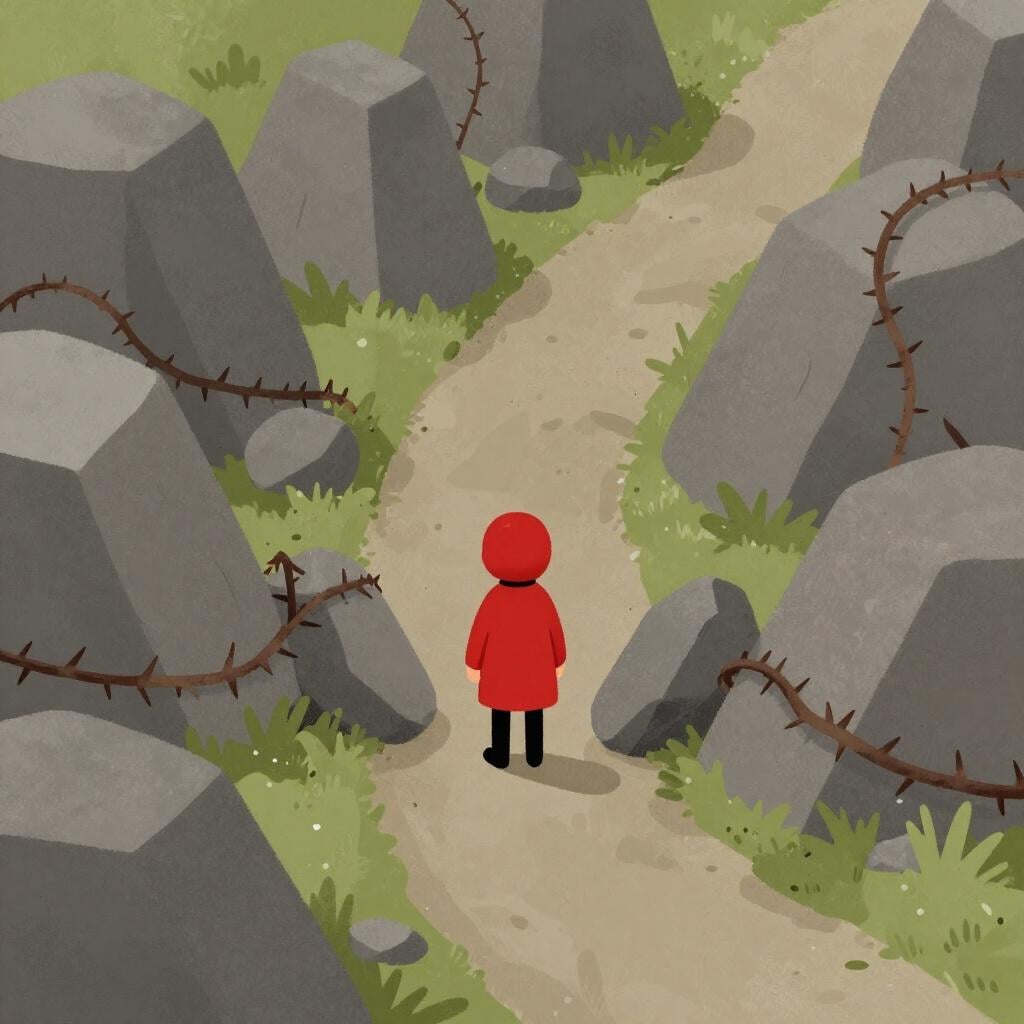
📝 In Action
La lluvia fuerte puede dificultar el tráfico esta tarde.
A2The heavy rain can make traffic difficult this afternoon.
La falta de internet dificultó mi trabajo durante todo el día.
B1The lack of internet hindered my work throughout the day.
Las nuevas leyes dificultan la apertura de pequeñas empresas.
B2The new laws make it difficult to open small businesses.
Subjunctive
Imperfect Subjunctive
Present Subjunctive
Indicative
Preterite
Imperfect
Present
Translate to Spanish
✏️ Quick Practice
Quick Quiz: dificultar
Question 1 of 3
Which of these is the most natural way to say 'The noise makes communication difficult'?
📚 More Resources
👥 Word Family▼
📚 Etymology▼
From the Spanish noun 'dificultad,' which comes from the Latin 'difficultas,' meaning 'difficulty' or 'hardship.'
First recorded: 15th century
Cognates (Related words)
💡 Master Spanish
Take your Spanish to the next level. Read 200+ illustrated and narrated Spanish stories tailored to your level with the Inklingo app!
Frequently Asked Questions
Is 'dificultar' an irregular verb?
No, it is a completely regular -ar verb. It follows the same patterns as 'hablar' or 'cantar' in all tenses.
Can I use 'dificultar' to describe a person?
Generally, no. You use 'dificultar' for things or situations that hinder a process. To say a person is being difficult, you would say 'él/ella es difícil' or 'está siendo difícil'.
What is the difference between 'dificultar' and 'complicar'?
They are very close. 'Dificultar' implies an obstacle that slows you down or stops you. 'Complicar' implies adding extra layers of confusion or complexity to a situation.