distracción
“distracción” means “distraction” in Spanish. It has 2 different meanings depending on context:
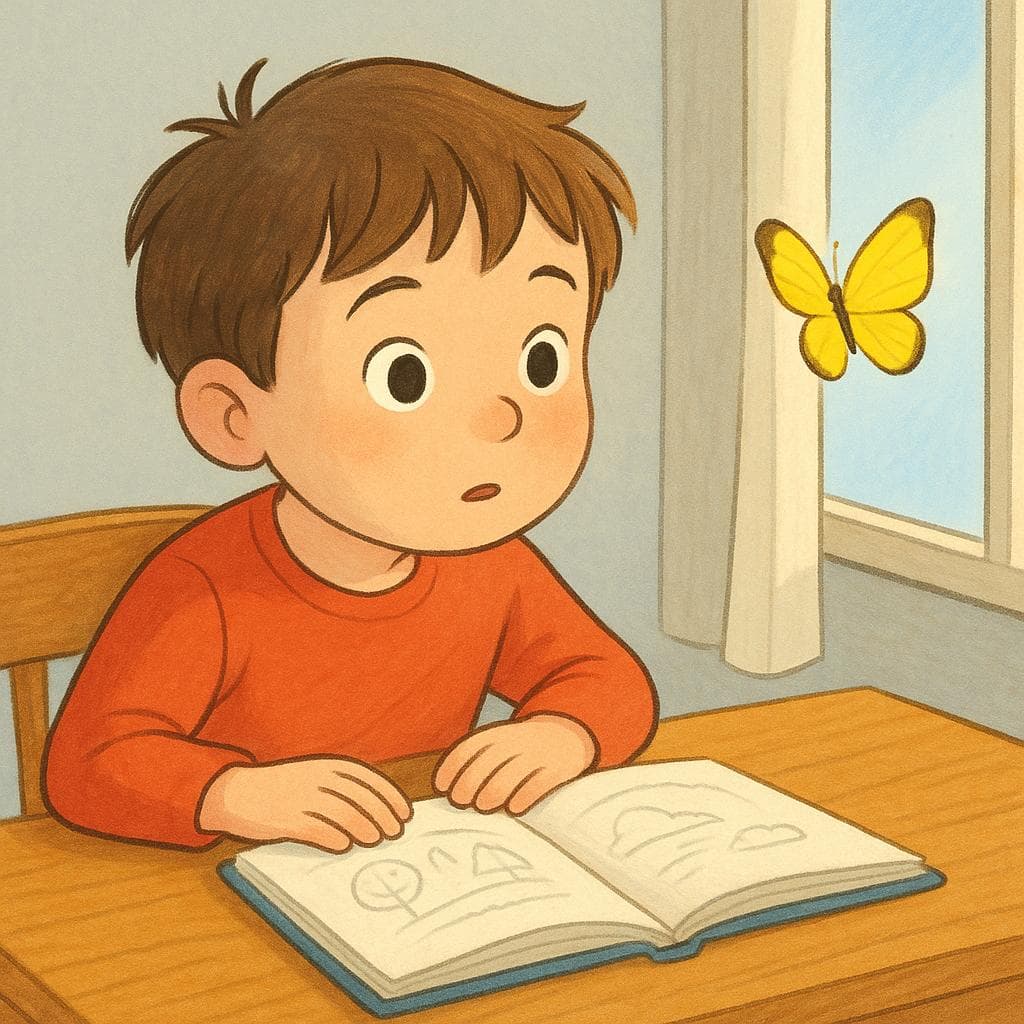

distraction, lapse of concentration
Also: inattention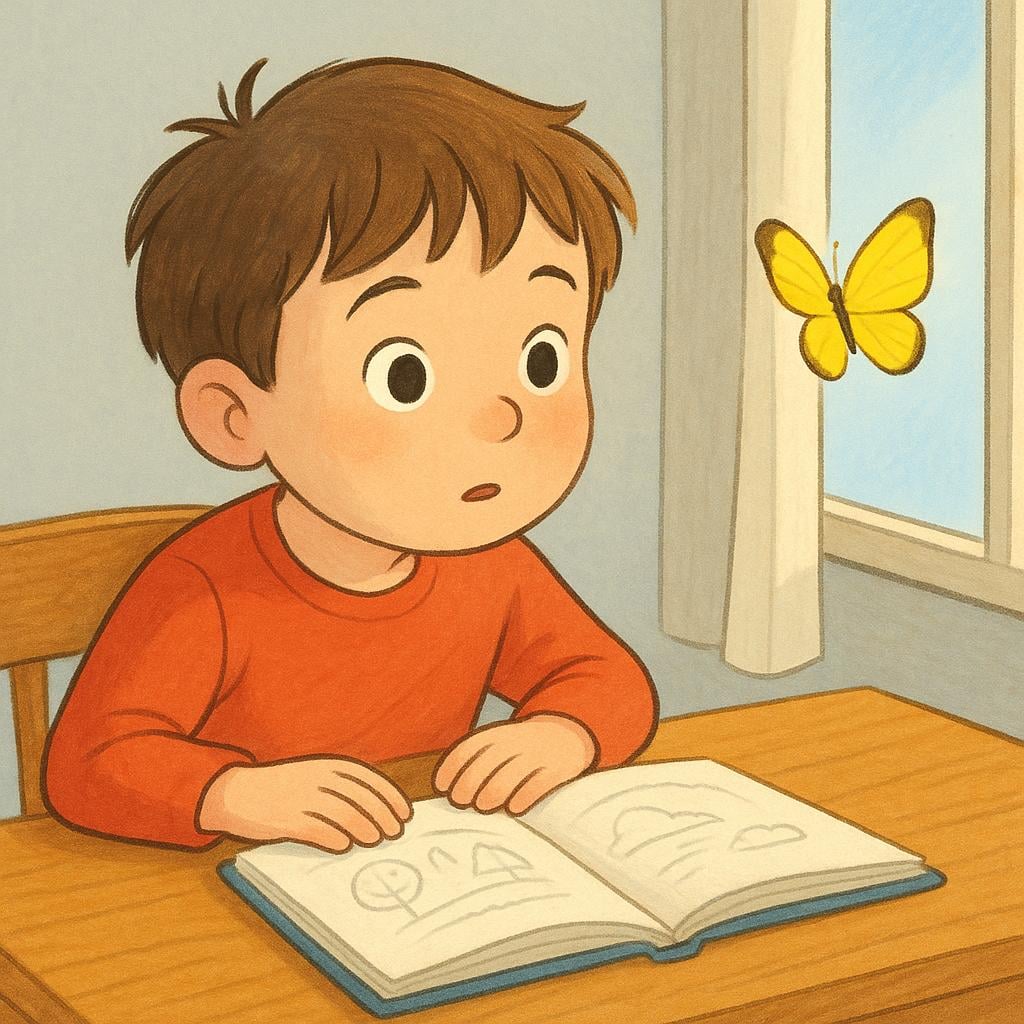
📝 In Action
Por una distracción, escribí mi nombre mal en el formulario.
A2Due to a distraction (lapse of concentration), I wrote my name wrong on the form.
El ruido constante de la calle es una gran distracción para mí.
B1The constant street noise is a big distraction for me.
Necesito silencio total para evitar cualquier distracción.
A2I need total silence to avoid any distraction.
pastime, diversion
Also: entertainment
📝 In Action
Mi distracción favorita es la jardinería.
B1My favorite pastime is gardening.
Los videojuegos son una buena distracción después de un día de trabajo.
B1Video games are a good diversion after a day of work.
El cine ofrece una distracción bienvenida de los problemas diarios.
C1The cinema offers a welcome distraction from daily problems.
Translate to Spanish
Words that translate to "distracción" in Spanish:
inattention→✏️ Quick Practice
Quick Quiz: distracción
Question 1 of 1
Which sentence uses 'distracción' to mean 'a fun activity'?
📚 More Resources
👥 Word Family▼
🎵 Rhymes▼
📚 Etymology▼
Comes from the Latin word *distractio*, which itself comes from the verb *distrahere*, meaning 'to pull apart' or 'to draw away'. The idea is that your attention is being pulled away from what you should be focusing on.
First recorded: 15th century
Cognates (Related words)
💡 Master Spanish
Take your Spanish to the next level. Read 200+ illustrated and narrated Spanish stories tailored to your level with the Inklingo app!
Frequently Asked Questions
What is the difference between 'distracción' and 'despiste'?
'Distracción' is the general state of being distracted or the thing that interrupts you. 'Despiste' often refers specifically to the result of the distraction—a small mistake or an act of forgetfulness due to being absent-minded.
How do I make the verb form of 'distracción'?
The verb form is 'distraer'. It means 'to distract' or 'to entertain'. For example: 'Me distraigo fácilmente' (I get distracted easily).