pasatiempo
“pasatiempo” means “hobby” in Spanish. It has 2 different meanings depending on context:

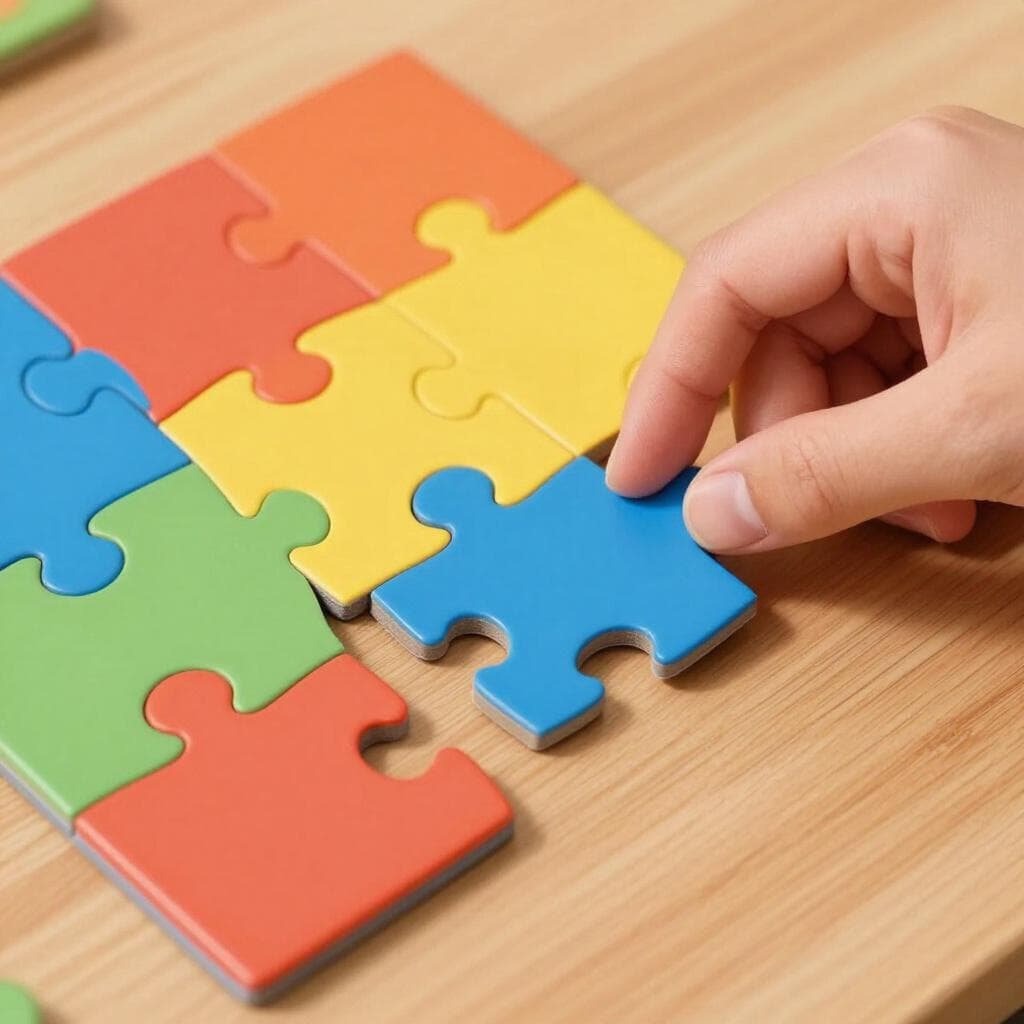
hobby, pastime
Also: diversion
📝 In Action
Mi pasatiempo favorito es la fotografía.
A1My favorite hobby is photography.
Muchos jóvenes tienen los videojuegos como principal pasatiempo.
A2Many young people have video games as their main pastime.
Buscaba un pasatiempo que no fuera muy caro.
B1I was looking for a hobby that wasn't very expensive.
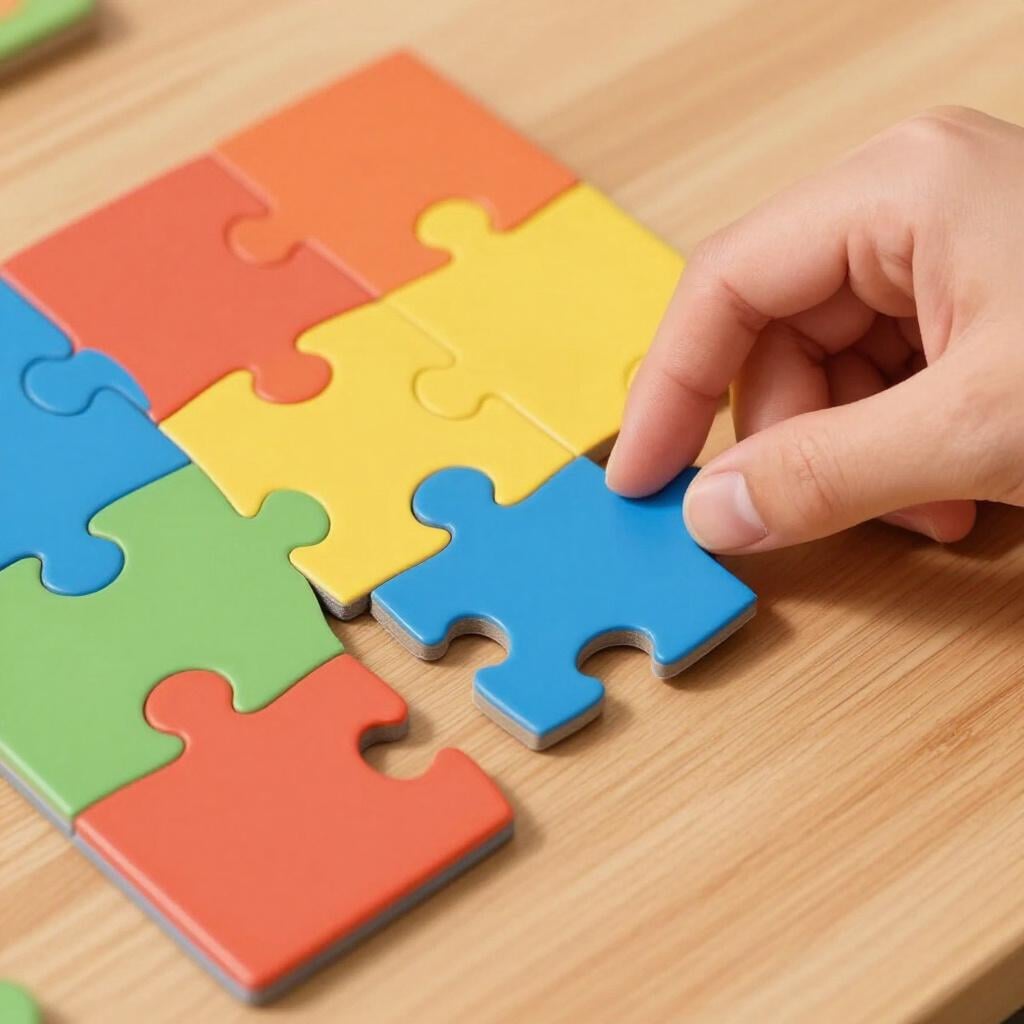
puzzle, game
📝 In Action
Compré una revista de pasatiempos para el viaje.
B1I bought a puzzle magazine for the trip.
Este pasatiempo de lógica es casi imposible de resolver.
B2This logic puzzle is almost impossible to solve.
En la última página del periódico siempre hay un pasatiempo.
A2There is always a puzzle on the last page of the newspaper.
Translate to Spanish
✏️ Quick Practice
Quick Quiz: pasatiempo
Question 1 of 3
Which of these is the correct plural form of 'pasatiempo'?
📚 More Resources
👥 Word Family▼
🎵 Rhymes▼
📚 Etymology▼
Formed in Spanish by combining the verb 'pasar' (from Latin 'passare', to step/pass) and the noun 'tiempo' (from Latin 'tempus', time).
First recorded: 16th century
Cognates (Related words)
💡 Master Spanish
Take your Spanish to the next level. Read 200+ illustrated and narrated Spanish stories tailored to your level with the Inklingo app!
Frequently Asked Questions
Can I use 'hobby' instead of 'pasatiempo'?
Yes, 'hobby' is very common in spoken Spanish, but using 'pasatiempo' sounds more natural and correct in formal situations or writing.
Is a jigsaw puzzle a 'pasatiempo'?
Technically yes, it's a way to pass time, but Spanish speakers usually call a physical jigsaw puzzle a 'rompecabezas' (head-breaker).
Does it ever mean 'the passing of time'?
No, for the literal passage of time, we use the phrase 'el paso del tiempo'.