How to Say "puzzle" in Spanish
The most common Spanish word for “puzzle” is “rompecabezas” — use this term for a jigsaw puzzle or as a general, widely understood word for any type of puzzle.


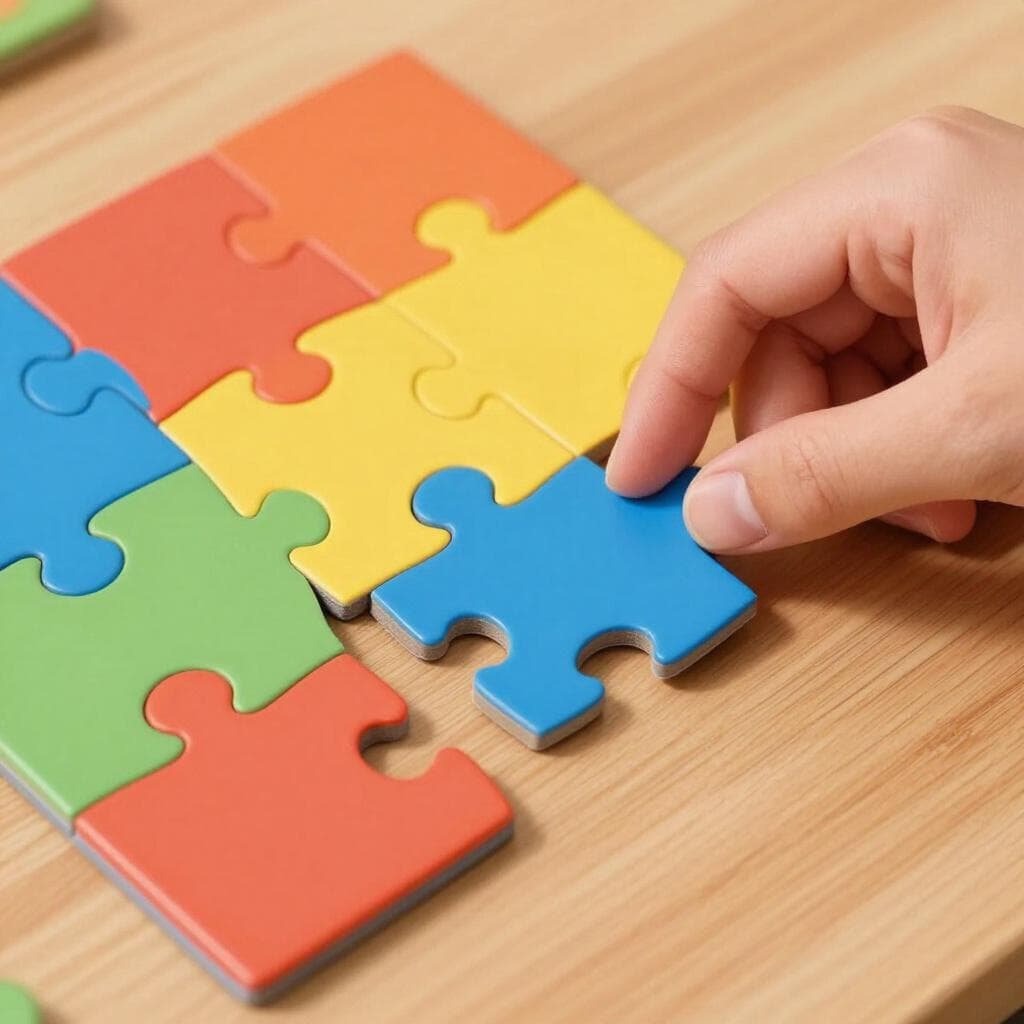
rompecabezas
rrom-peh-cah-BEH-sasrompeˈkaβesas

Examples
Compré un rompecabezas de mil piezas para el fin de semana.
I bought a one-thousand-piece jigsaw puzzle for the weekend.
Armar rompecabezas es muy relajante para mí.
Putting together puzzles is very relaxing for me.
A Word That Stays the Same
This word is a special type of compound noun that does not change its form in the plural. You use 'el rompecabezas' for one, and 'los rompecabezas' for many.
Over-Pluralizing
Mistake: “Compré dos rompecabezases.”
Correction: Compré dos rompecabezas. (The word itself already has the plural 'cabezas' inside it.)
acertijo
ah-ser-TEE-hoaserˈtixo

Examples
Tengo un acertijo para ti: ¿qué tiene llaves pero no abre puertas?
I have a riddle for you: what has keys but doesn't open doors?
Me encanta resolver acertijos matemáticos en mi tiempo libre.
I love solving math puzzles in my free time.
Su comportamiento es un auténtico acertijo para todos nosotros.
His behavior is a real enigma to all of us.
Masculine Ending
Since it ends in '-o', it is almost always masculine. You should use 'el' or 'un' with it.
Difference from 'Rompecabezas'
While 'acertijo' is a riddle or logic puzzle, a physical jigsaw puzzle is called a 'rompecabezas' (literally: 'head-breaker').
Puzzle vs. Acertijo
Mistake: “Using 'puzzle' (the Spanish borrowed word) for a verbal riddle.”
Correction: In Spanish, 'puzzle' usually refers specifically to a jigsaw puzzle with pieces. Use 'acertijo' for verbal games or logic mysteries.
pasatiempo
pa-sah-tee-ehm-pohpasaˈtjempo
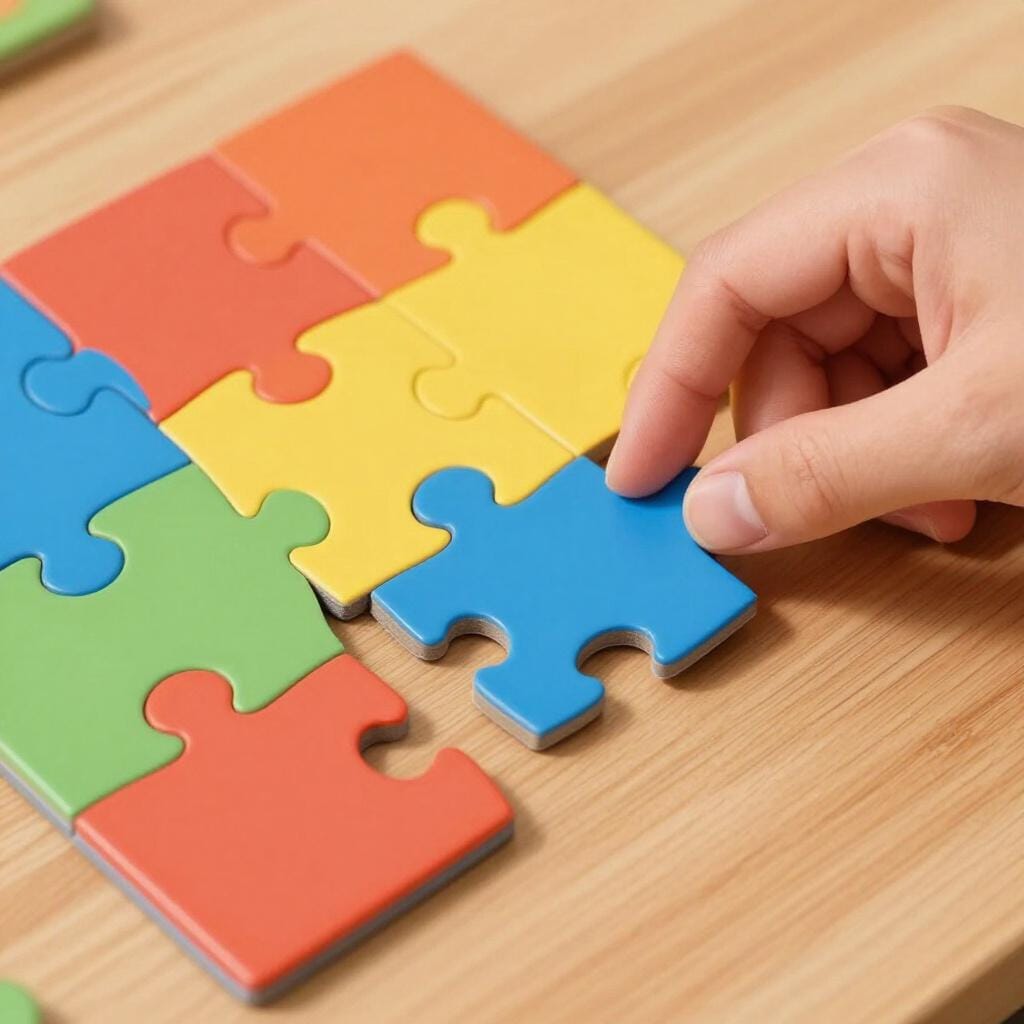
Examples
Compré una revista de pasatiempos para el viaje.
I bought a puzzle magazine for the trip.
Este pasatiempo de lógica es casi imposible de resolver.
This logic puzzle is almost impossible to solve.
En la última página del periódico siempre hay un pasatiempo.
There is always a puzzle on the last page of the newspaper.
Plural Use
When referring to the 'puzzle section' of a newspaper or a magazine full of games, we usually use the plural: 'los pasatiempos'.
Puzzle vs. Rompecabezas
Mistake: “Estoy haciendo un pasatiempo de mil piezas.”
Correction: Estoy haciendo un rompecabezas de mil piezas. Use 'rompecabezas' for jigsaw puzzles and 'pasatiempo' for word or logic games like crosswords.
General vs. Specific Puzzles
Related Translations
Learn Spanish with Inklingo
Interactive stories, personalized learning, and more.