rompecabezas
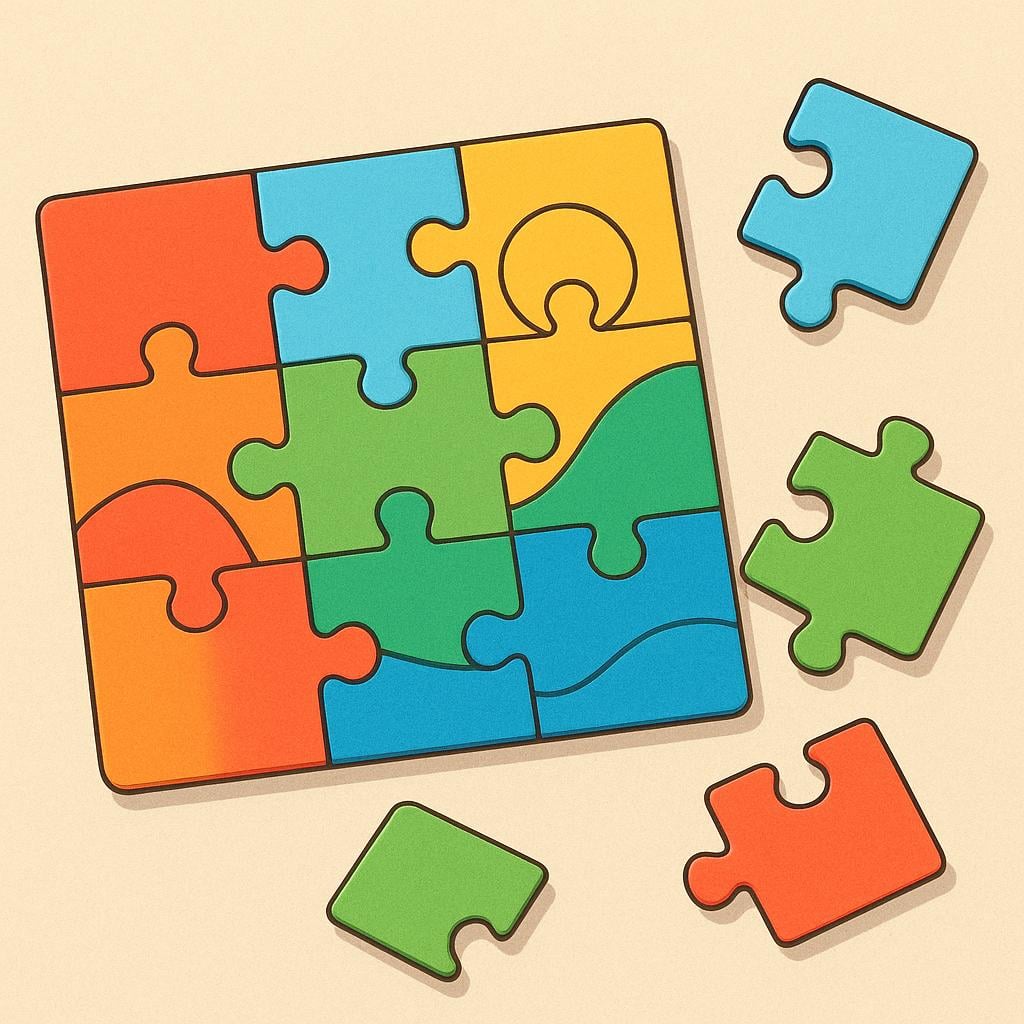
“rompecabezas” means “jigsaw puzzle” in Spanish. It has 2 different meanings depending on context:


jigsaw puzzleAlso: puzzle
📝 In Action
Compré un rompecabezas de mil piezas para el fin de semana.
A1I bought a one-thousand-piece jigsaw puzzle for the weekend.
Armar rompecabezas es muy relajante para mí.
A2Putting together puzzles is very relaxing for me.
Word Connections
conundrum, enigmaAlso: riddle, complex problem

📝 In Action
La crisis económica se ha convertido en un verdadero rompecabezas para los políticos.
B2The economic crisis has become a real conundrum for the politicians.
El detective intentó resolver el rompecabezas del crimen.
B1The detective tried to solve the riddle of the crime.
Word Connections
Translate to Spanish
Words that translate to "rompecabezas" in Spanish:
✏️ Quick Practice
Quick Quiz: rompecabezas
Question 1 of 2
Which sentence correctly uses the plural form of 'rompecabezas'?
📚 More Resources
👥 Word Family
📚 Etymology
This word is a classic Spanish compound word, literally meaning 'breaks heads.' It combines the command form of the verb 'romper' (to break) and the plural noun 'cabezas' (heads). This structure perfectly describes the mental effort (or 'head-breaking') required to solve a difficult puzzle.
First recorded: 19th century (referring to the modern jigsaw puzzle concept)
💡 Master Spanish
Take your Spanish to the next level. Read 200+ illustrated and narrated Spanish stories tailored to your level with the Inklingo app!
Frequently Asked Questions
Is 'rompecabezas' masculine or feminine?
It is always masculine, even though it ends in 's' and contains the feminine word 'cabeza.' You must use the masculine article: 'el rompecabezas' or 'los rompecabezas.'
Why is the plural the same as the singular?
Spanish nouns created by combining a verb and a plural noun (like 'rompe' + 'cabezas') do not change their form. The plural is indicated solely by the article or the number that comes before it.