dormía
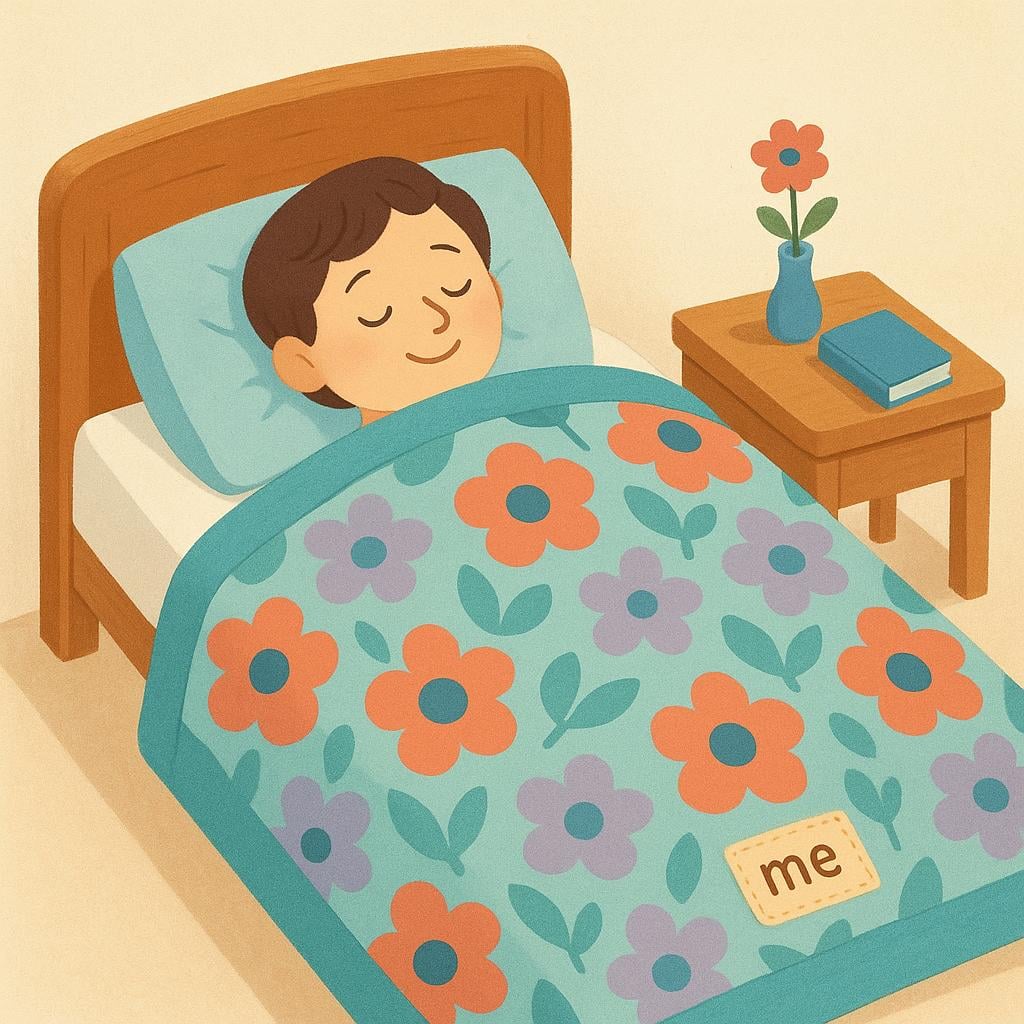
“dormía” means “I was sleeping” in Spanish (Continuous action in the past (yo form)).
I was sleeping, He/She was sleeping, I used to sleepAlso: You were sleeping (formal)
📝 In Action
Cuando me llamaste, yo dormía profundamente.
A1When you called me, I was sleeping soundly.
Ella dormía ocho horas cada noche en esa época.
A2She used to sleep eight hours every night during that time.
El bebé dormía en su cuna mientras nosotros cenábamos.
A1The baby was sleeping in his crib while we were having dinner.
Word Connections
Indicative
Present
Preterite
Imperfect
Subjunctive
Present Subjunctive
Imperfect Subjunctive
✏️ Quick Practice
Quick Quiz: dormía
Question 1 of 2
Which English phrase best captures the meaning of 'Ella dormía en el sofá cada tarde'?
📚 More Resources
👥 Word Family
🎵 Rhymes
📚 Etymology
Comes directly from the Latin verb 'dormīre,' meaning 'to sleep.' The transition into Spanish was very direct, keeping the core meaning intact.
First recorded: Old Spanish (around 10th-12th century)
Cognates (Related words)
💡 Master Spanish
Take your Spanish to the next level. Read 200+ illustrated and narrated Spanish stories tailored to your level with the Inklingo app!
Frequently Asked Questions
How do I know if 'dormía' means 'I' or 'He/She'?
You usually figure this out from the surrounding context or if a pronoun (yo, él, ella) is used. If the subject isn't clear, Spanish speakers often include the pronoun: 'Yo dormía' (I was sleeping) vs. 'Ella dormía' (She was sleeping).
Why does 'dormir' change its stem in the present tense (duermo) but not in 'dormía'?
The 'o' to 'ue' change only happens in specific tenses, like the present (duermo). The imperfect tense ('dormía') is very reliable and almost never uses stem changes, making it one of the easiest past tenses to conjugate.