echaron
“echaron” means “they threw” in Spanish. It has 3 different meanings depending on context:

they threw, they tossedAlso: you all threw (formal)

📝 In Action
Los niños se echaron la pelota unos a otros en el parque.
A1The children threw the ball to each other in the park.
Ellos echaron las llaves sobre la mesa y se fueron.
A2They tossed the keys onto the table and left.
¿Quiénes echaron todos esos papeles a la basura?
A1Who threw all those papers in the trash?
Word Connections
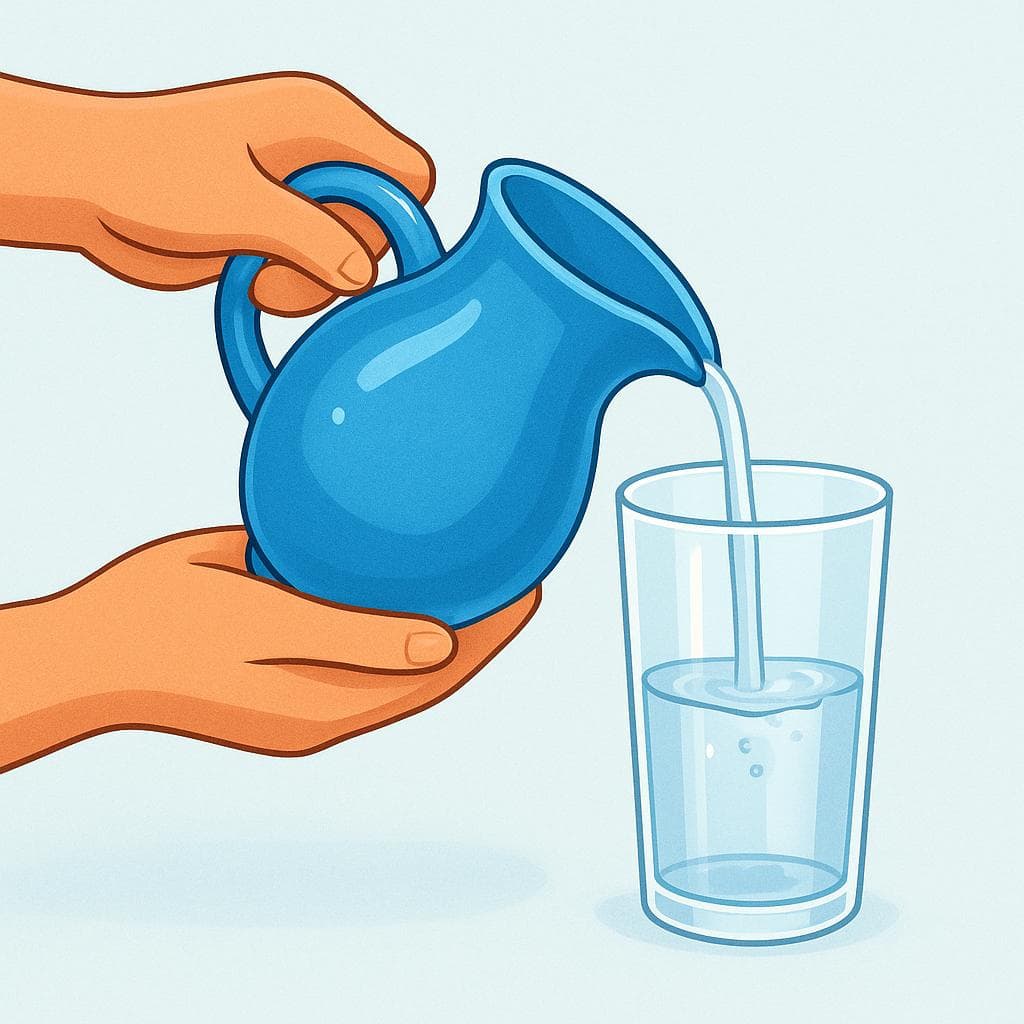
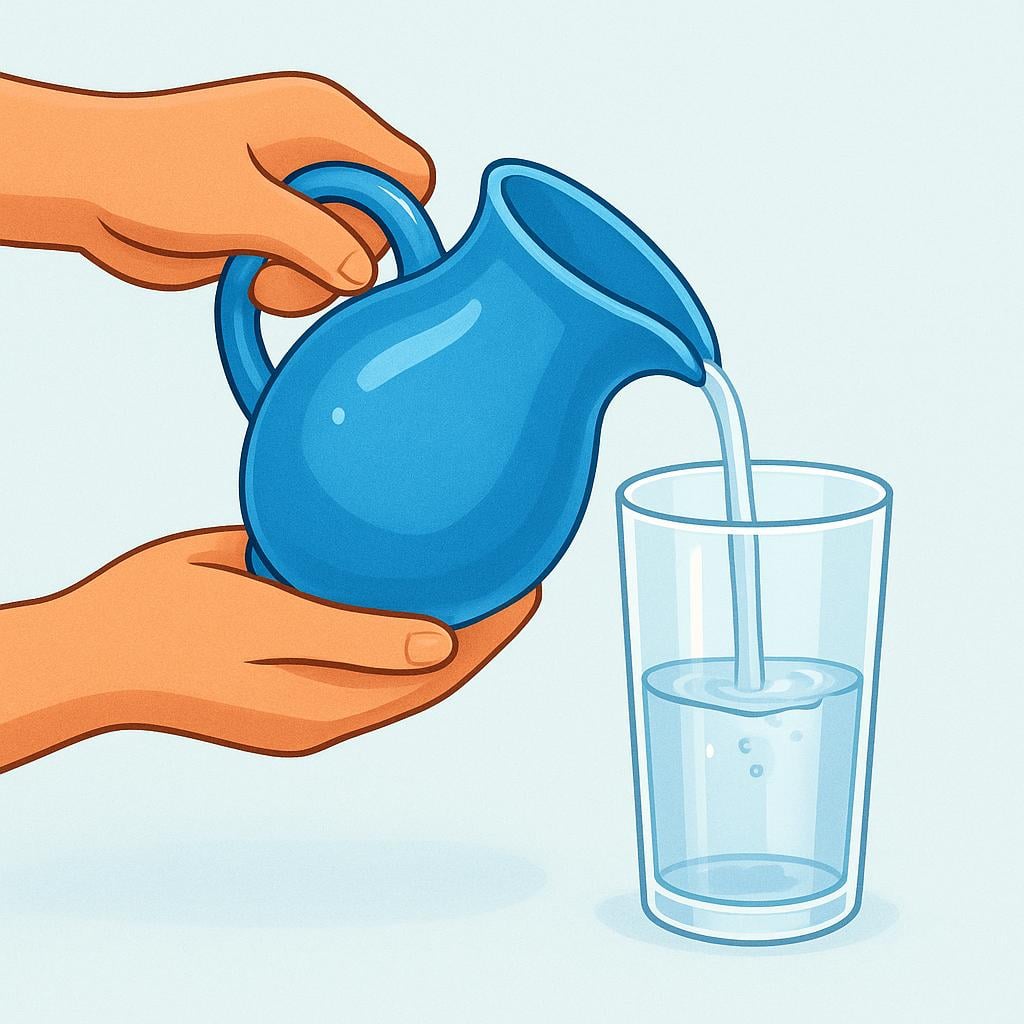
they poured, they addedAlso: they put in
📝 In Action
Antes de hornear, echaron la mezcla en el molde.
A2Before baking, they poured the mixture into the mold.
Los cocineros echaron mucha sal a la sopa por accidente.
B1The cooks added a lot of salt to the soup by accident.
Word Connections
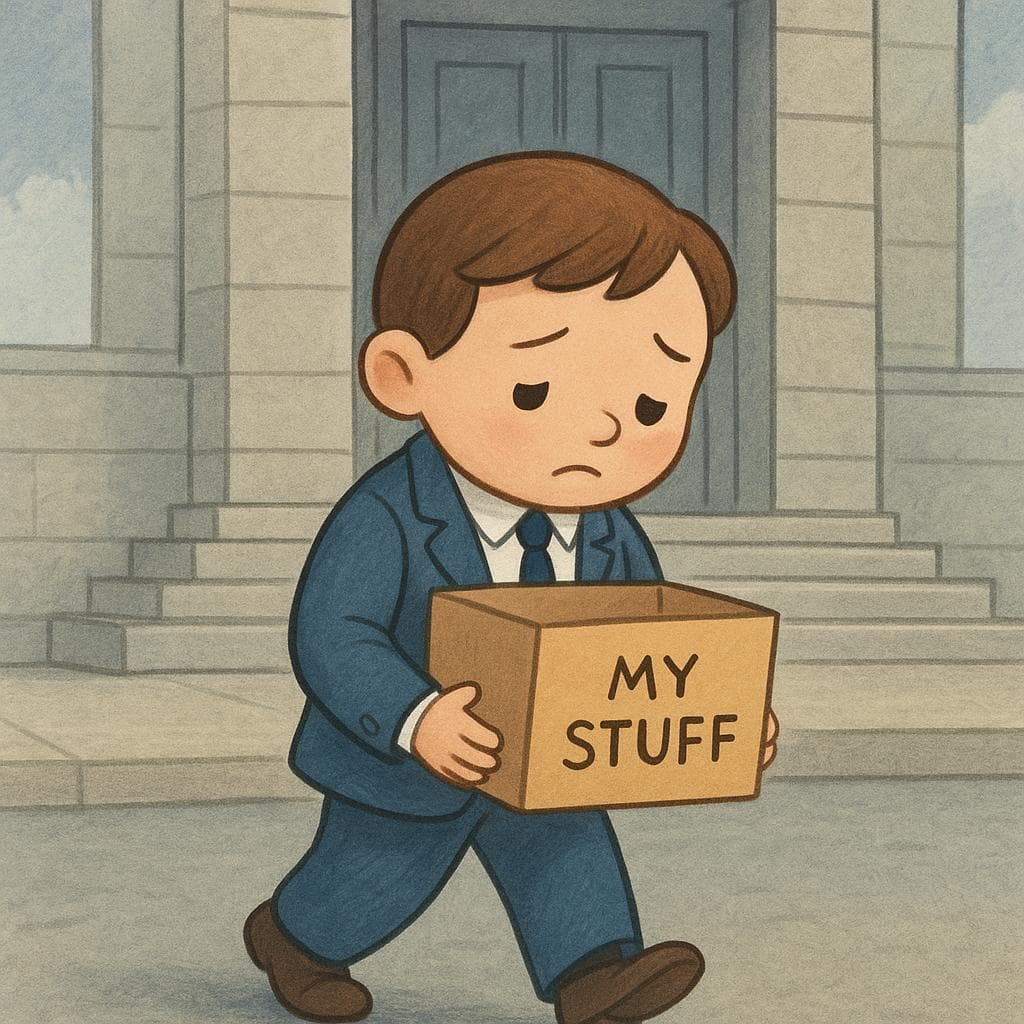
they fired, they expelledAlso: they kicked out

📝 In Action
Debido a la crisis, echaron a varios empleados de la fábrica.
B1Due to the crisis, they fired several employees from the factory.
Cuando hicieron trampa en el examen, los profesores los echaron del aula.
B2When they cheated on the exam, the teachers kicked them out of the classroom.
Word Connections
Subjunctive
Imperfect Subjunctive
Present Subjunctive
Indicative
Imperfect
Present
Preterite
Translate to Spanish
Words that translate to "echaron" in Spanish:
✏️ Quick Practice
Quick Quiz: echaron
Question 1 of 2
Which meaning of 'echaron' is used in the sentence: 'Echaron agua al fuego para apagarlo'?
📚 More Resources
👥 Word Family
📚 Etymology
'Echar' comes from the Latin verb *iactare*, which meant 'to throw' or 'to hurl.' Over time, its meaning broadened in Spanish to include 'putting,' 'pouring,' and even 'dismissing,' keeping the core sense of sending something somewhere.
First recorded: c. 11th century
Cognates (Related words)
💡 Master Spanish
Take your Spanish to the next level. Read 200+ illustrated and narrated Spanish stories tailored to your level with the Inklingo app!
Frequently Asked Questions
Is 'echaron' always used for the third-person plural?
Yes, 'echaron' is the past tense form used specifically when the subject is 'ellos' (they, masculine), 'ellas' (they, feminine), or 'ustedes' (you all, formal).
How do I know if 'echaron' means 'threw' or 'poured'?
You need to look at the direct object! If they 'echaron' a ball or a stone, it means 'threw.' If they 'echaron' water or salt, it means 'poured' or 'added.'