elector
“elector” means “voter” in Spanish (a person who has the right to vote in an election).
voter
Also: elector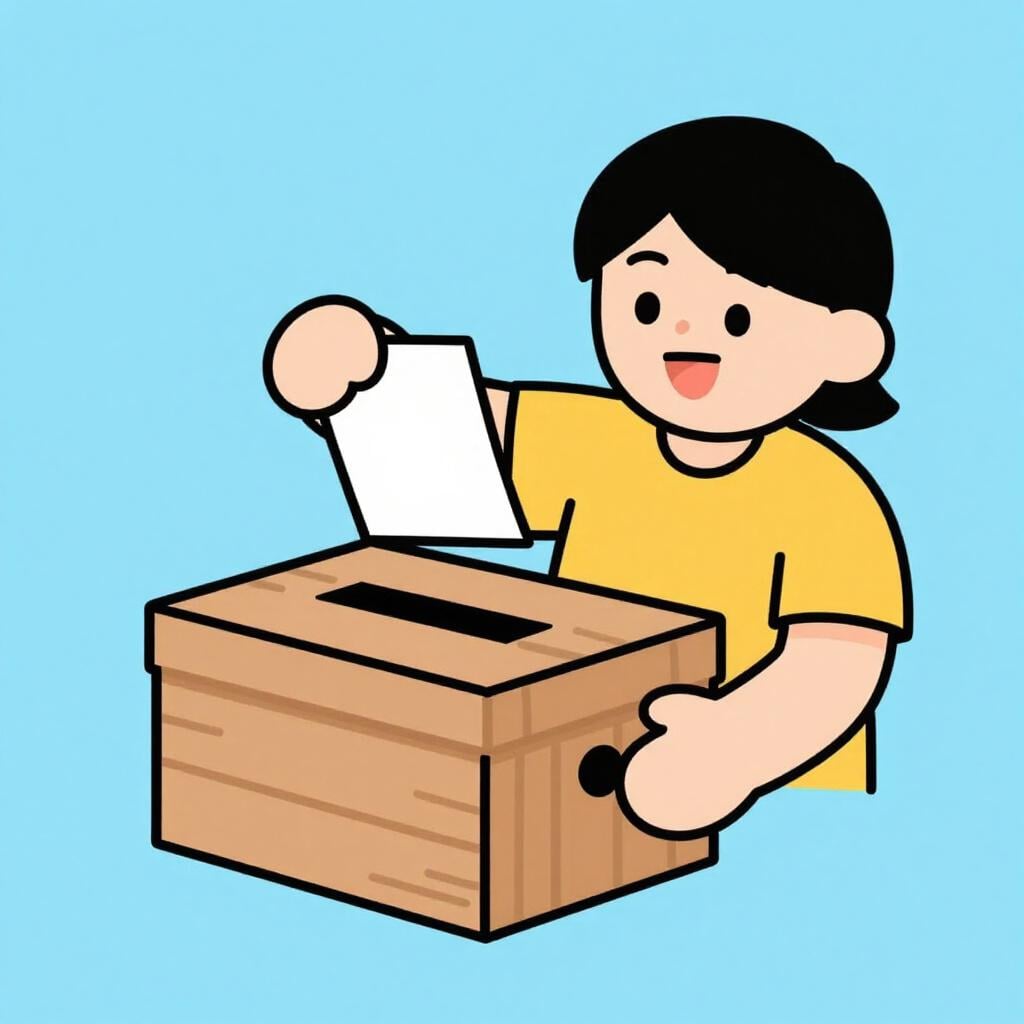
📝 In Action
El elector debe presentar su identificación antes de votar.
A2The voter must present their ID before voting.
Muchos electores aún no han decidido por quién votar.
B1Many voters still haven't decided who to vote for.
Es importante informar al elector sobre las nuevas propuestas.
B2It is important to inform the voter about the new proposals.
✏️ Quick Practice
Quick Quiz: elector
Question 1 of 3
¿Cuál es la forma femenina de 'el elector'?
📚 More Resources
👥 Word Family▼
📚 Etymology▼
From a Latin word meaning 'one who chooses.' It shares the same roots as the Spanish verb 'elegir' (to choose).
First recorded: 13th century
Cognates (Related words)
💡 Master Spanish
Take your Spanish to the next level. Read 200+ illustrated and narrated Spanish stories tailored to your level with the Inklingo app!
Frequently Asked Questions
Is 'elector' the same as 'votante'?
Almost. 'Elector' is more formal and focuses on the legal right to vote, while 'votante' focuses on the action of voting.
Can I use 'elector' to mean a 'chooser' in non-political contexts?
It is very rare. Usually, if you are just choosing something like a pizza topping, you would use 'el que elige' or 'quien elige'.
Does 'elector' only apply to national elections?
No, it can be used for local, regional, or even organizational voting, though it always maintains a slightly formal tone.