embarcación
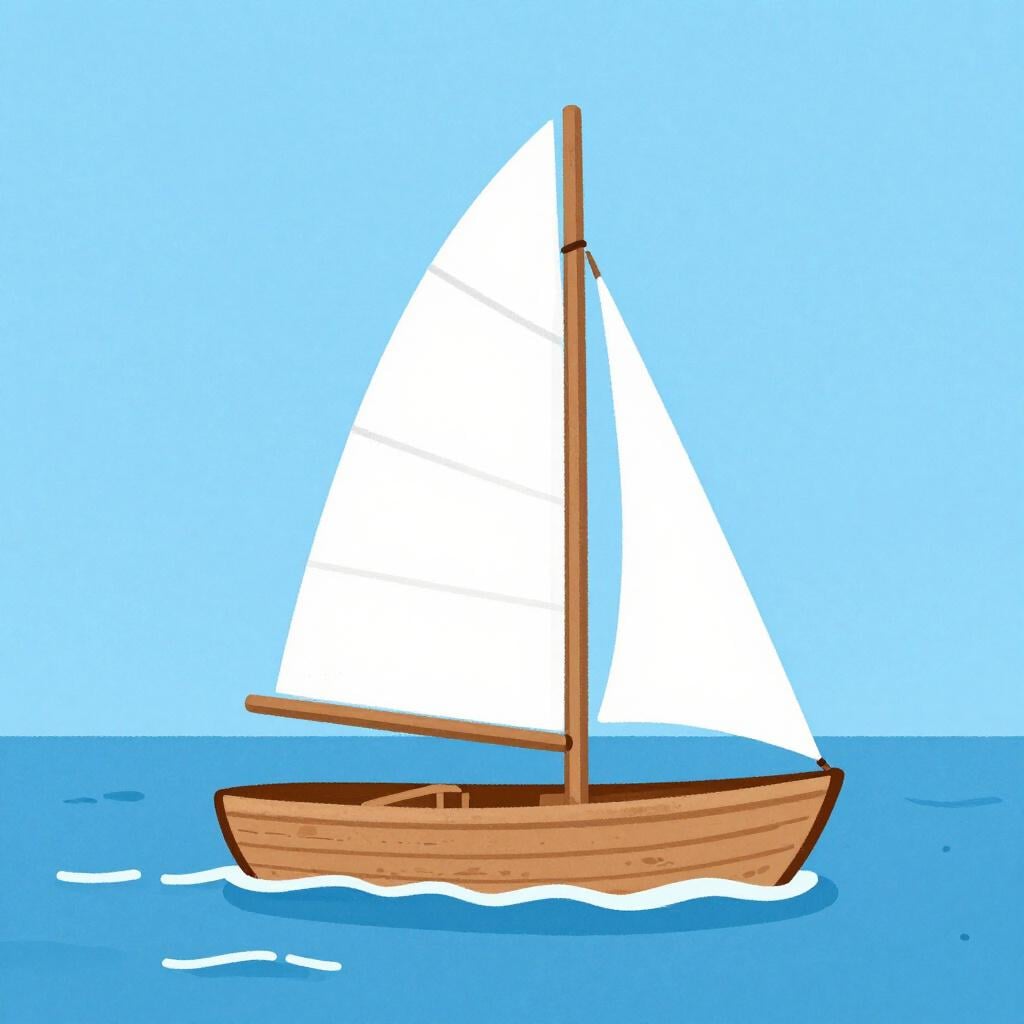
“embarcación” means “vessel” in Spanish (any type of water craft).
vesselAlso: boat, craft
📝 In Action
Vimos una pequeña embarcación en el horizonte.
A1We saw a small vessel on the horizon.
La guardia costera rescató a todos los pasajeros de la embarcación.
B1The coast guard rescued all the passengers from the craft.
Queda prohibida la entrada de embarcaciones privadas al puerto hoy.
B2The entry of private vessels to the port is prohibited today.
Word Connections
✏️ Quick Practice
Quick Quiz: embarcación
Question 1 of 3
Which of these is the correct way to say 'the vessel'?
📚 More Resources
👥 Word Family
🎵 Rhymes
📚 Etymology
Comes from the verb 'embarcar', which combines 'en-' (into/in) and 'barca' (small boat). It was originally used to describe the act of putting something into a boat.
First recorded: 15th century
Cognates (Related words)
💡 Master Spanish
Take your Spanish to the next level. Read 200+ illustrated and narrated Spanish stories tailored to your level with the Inklingo app!
Frequently Asked Questions
Is 'embarcación' the same as 'barco'?
Mostly, yes. However, 'embarcación' is a broader, more formal term that can include anything from a tiny raft to a huge ship. 'Barco' is the everyday word for 'boat'.
Can I use this word for an airplane?
No. While you can 'embarcar' (board) a plane, the plane itself is called an 'avión' or 'aeronave'. 'Embarcación' is only for the water.
Why does it have an accent mark?
In Spanish, words ending in -ción have an accent on the 'o' to show that the stress is on the very last syllable. When the word becomes plural (embarcaciones), the stress naturally stays on that syllable, so the accent mark is no longer needed.