encárgate
“encárgate” means “take care of it” in Spanish (handling a task or responsibility).
take care of it
Also: handle it, be in charge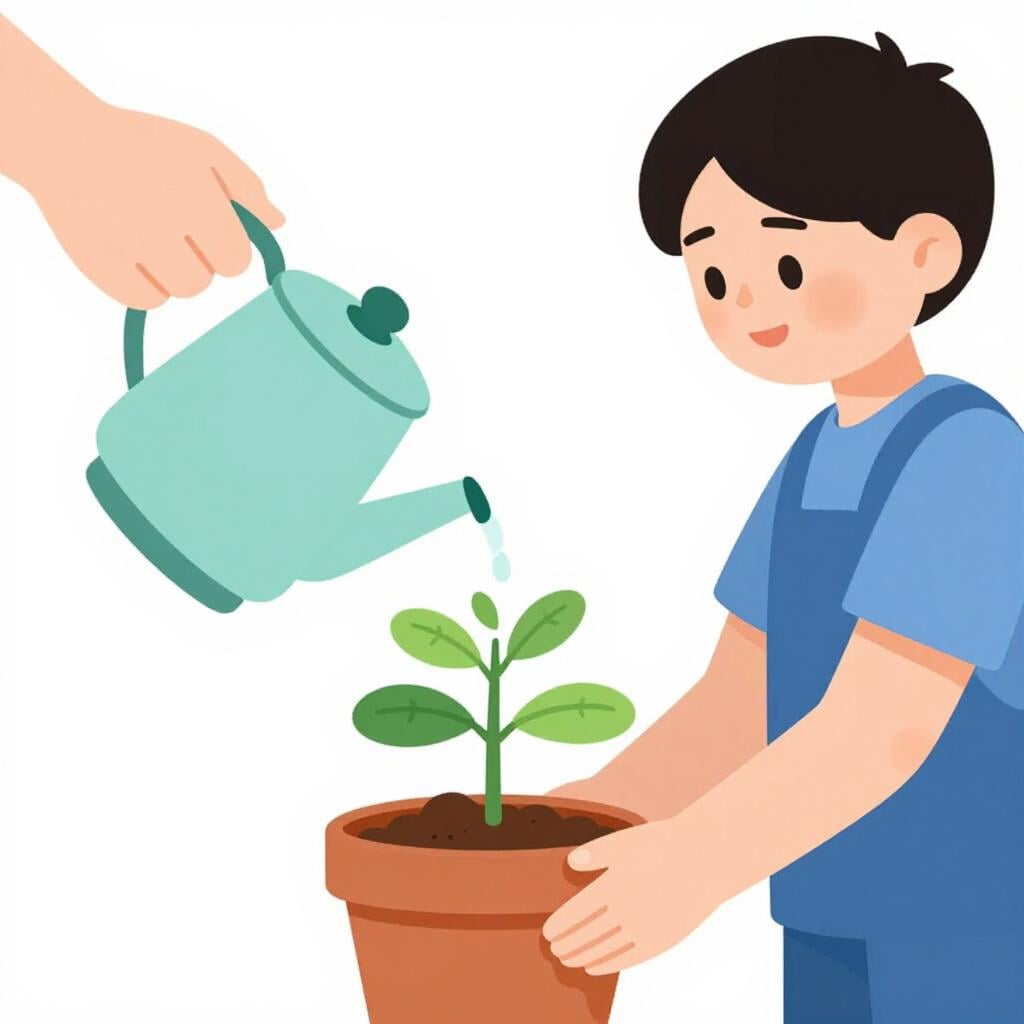
📝 In Action
Encárgate de la cena esta noche, por favor.
A2Take care of dinner tonight, please.
Tú encárgate de los niños mientras yo voy al banco.
B1You handle the kids while I go to the bank.
No te preocupes, yo ya le dije: 'encárgate tú'.
B1Don't worry, I already told him: 'you handle it'.
🔄 Conjugations
subjunctive
imperfect
present
indicative
preterite
imperfect
present
Translate to Spanish
Words that translate to "encárgate" in Spanish:
handle it→✏️ Quick Practice
Quick Quiz: encárgate
Question 1 of 1
Which of these is the correct way to tell a friend to handle the music?
📚 More Resources
👥 Word Family▼
🎵 Rhymes▼
📚 Etymology▼
Comes from the verb 'encargar', which combines 'en-' (in/upon) and 'cargo' (a load or weight). It literally means to put a load or duty upon someone.
First recorded: 13th century
Cognates (Related words)
💡 Master Spanish
Take your Spanish to the next level. Read 200+ illustrated and narrated Spanish stories tailored to your level with the Inklingo app!
Frequently Asked Questions
Is 'encárgate' formal or informal?
It is informal because it is the 'tú' form. If you were speaking to a boss or someone you don't know well, you would say 'encárguese'.
Where do I put the stress when saying 'encárgate'?
The stress is on the 'kar' sound (the second syllable). The accent mark on the 'á' is your visual clue to emphasize that part of the word.