enseñaré
“enseñaré” means “I will teach” in Spanish. It has 2 different meanings depending on context:

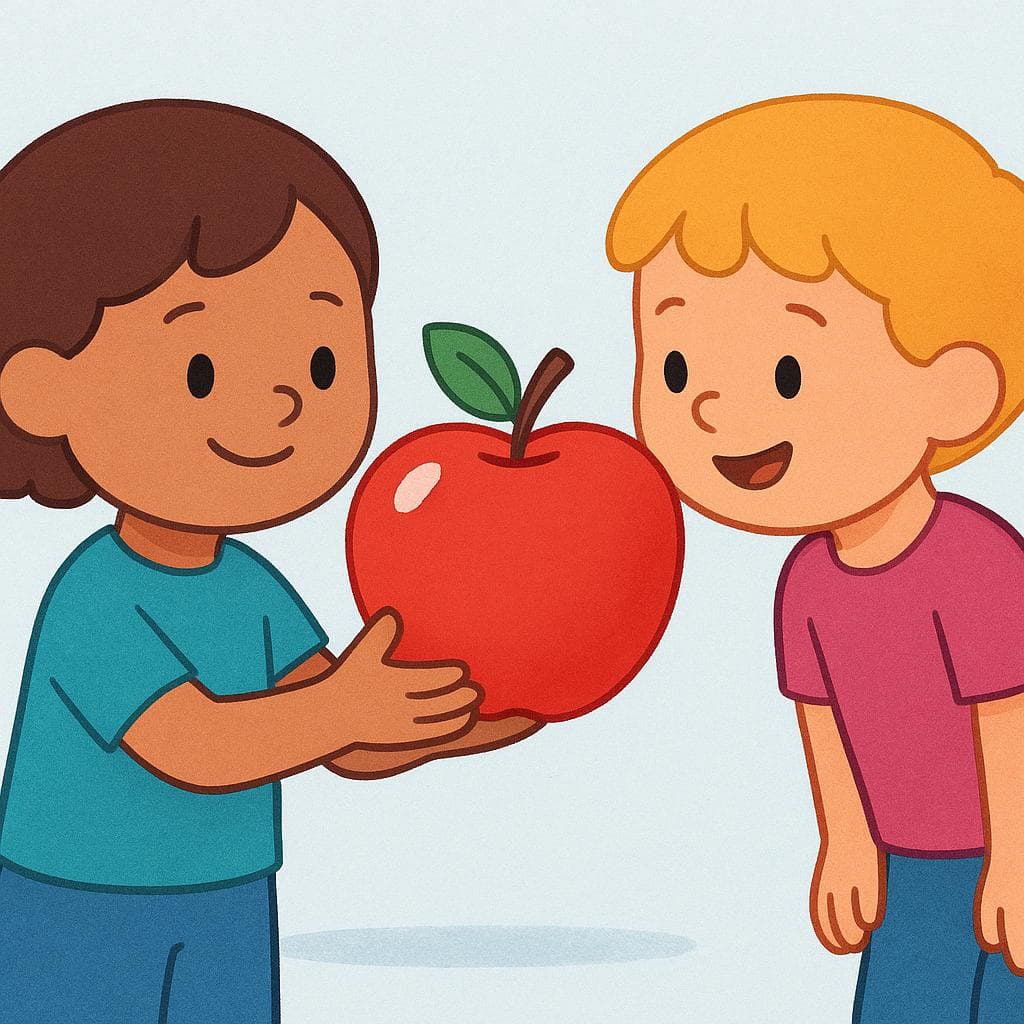
I will teachAlso: I shall teach

📝 In Action
Mañana les enseñaré a mis estudiantes la nueva lección.
A1Tomorrow I will teach my students the new lesson.
Si tengo tiempo, te enseñaré a tocar la guitarra.
A2If I have time, I will teach you how to play the guitar.
Word Connections
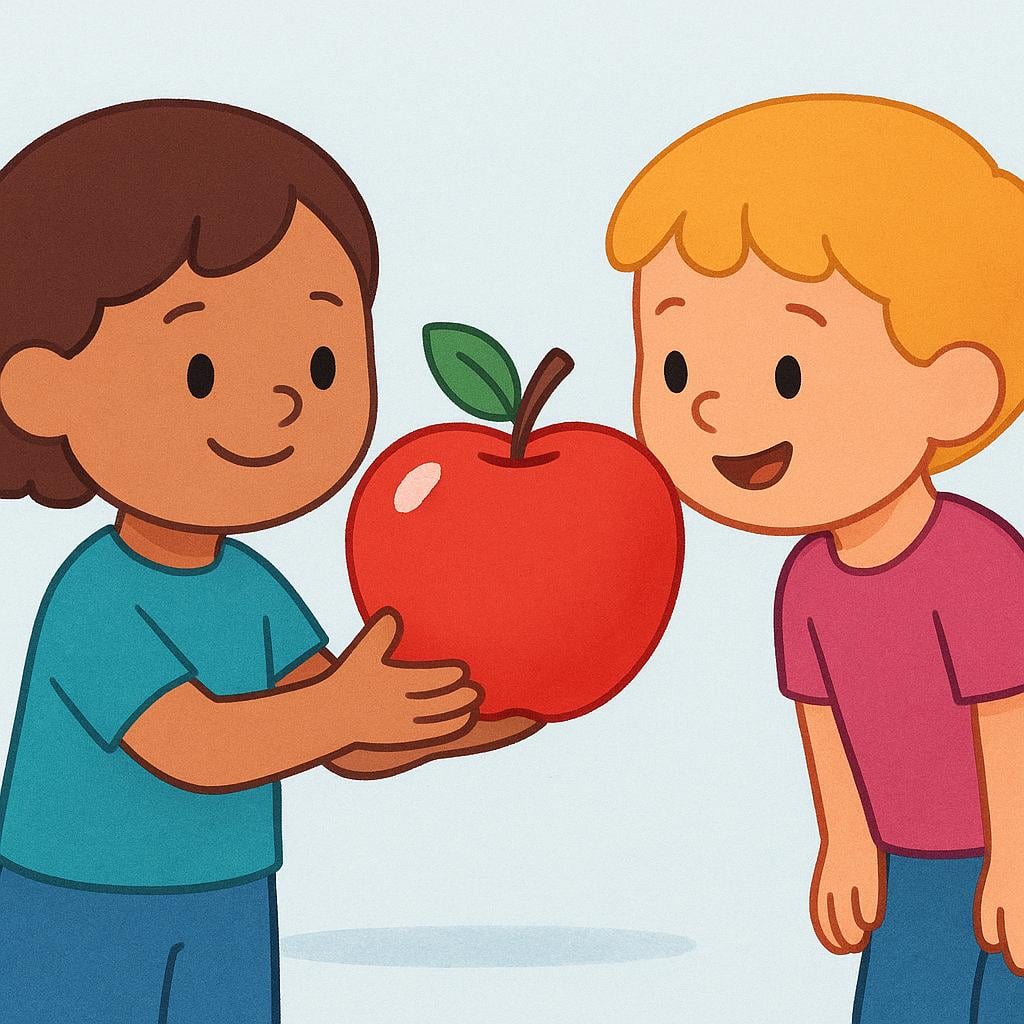
I will showAlso: I will display
📝 In Action
Te enseñaré mi casa nueva cuando llegues a la ciudad.
A2I will show you my new house when you arrive in the city.
A la policía le enseñaré los documentos de identificación.
B1I will show the police the identification documents.
Word Connections
Indicative
Present
Imperfect
Preterite
Subjunctive
Present Subjunctive
Imperfect Subjunctive
✏️ Quick Practice
Quick Quiz: enseñaré
Question 1 of 2
Which sentence correctly uses 'enseñaré' in the sense of 'to show'?
📚 More Resources
👥 Word Family
🎵 Rhymes
📚 Etymology
Comes from the Old Spanish 'ensenar,' which itself derived from the Latin 'insigniare,' meaning 'to mark,' 'to point out,' or 'to indicate.' This explains why the word means both 'to teach' (pointing out knowledge) and 'to show' (pointing out an object).
First recorded: Around the 13th century
Cognates (Related words)
💡 Master Spanish
Take your Spanish to the next level. Read 200+ illustrated and narrated Spanish stories tailored to your level with the Inklingo app!
Frequently Asked Questions
Is 'enseñaré' the same as 'voy a enseñar'?
'Enseñaré' (simple future) is generally used for more definite plans or predictions, and sounds a bit more formal. 'Voy a enseñar' (ir + a + infinitive) is also correct and is often used more frequently in casual spoken Spanish to talk about the immediate future.
Does 'enseñaré' require an accent mark?
Yes, all 'yo' forms in the simple future tense end in -é and require an accent mark over the 'e' (e.g., enseñaré, hablaré, comeré) to ensure the stress falls on the last syllable.