entremos
“entremos” means “Let's enter” in Spanish. It has 2 different meanings depending on context:
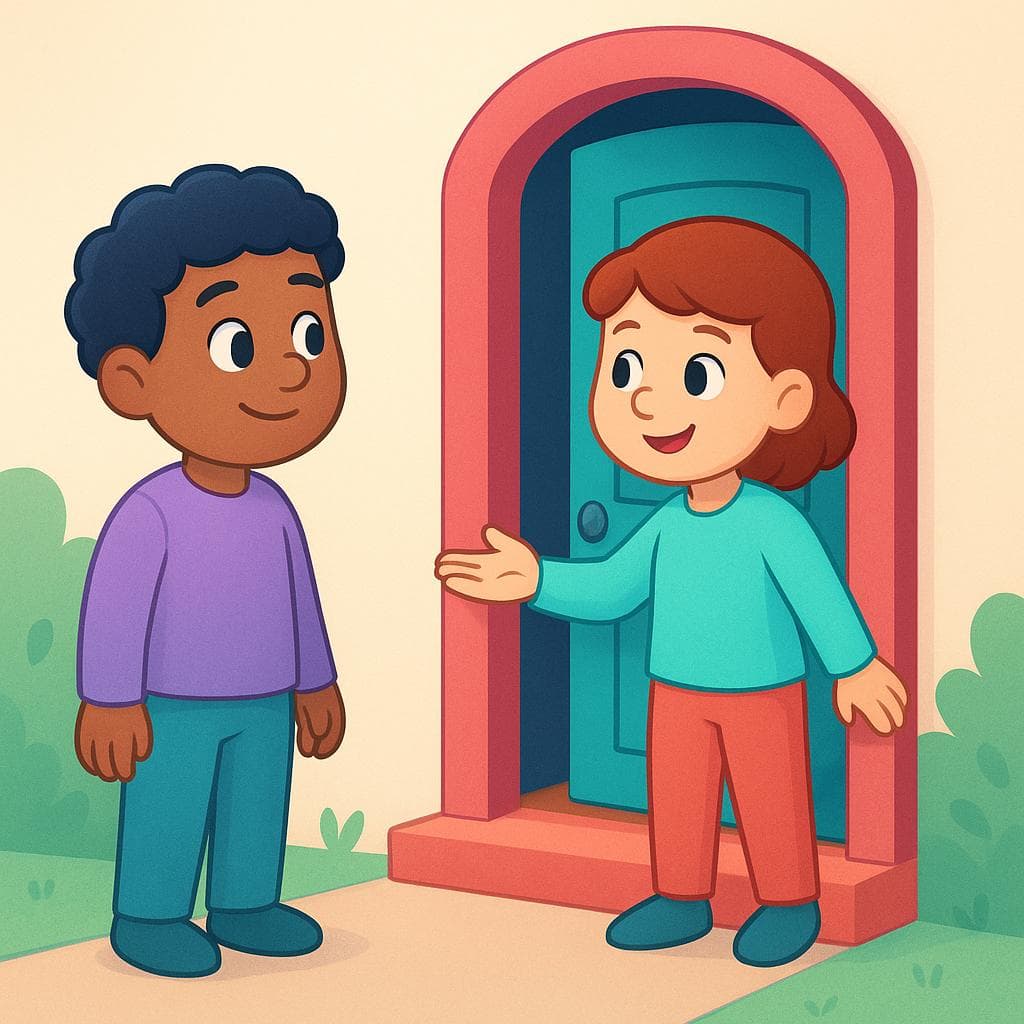

Let's enter
Also: Let's go in, Let's begin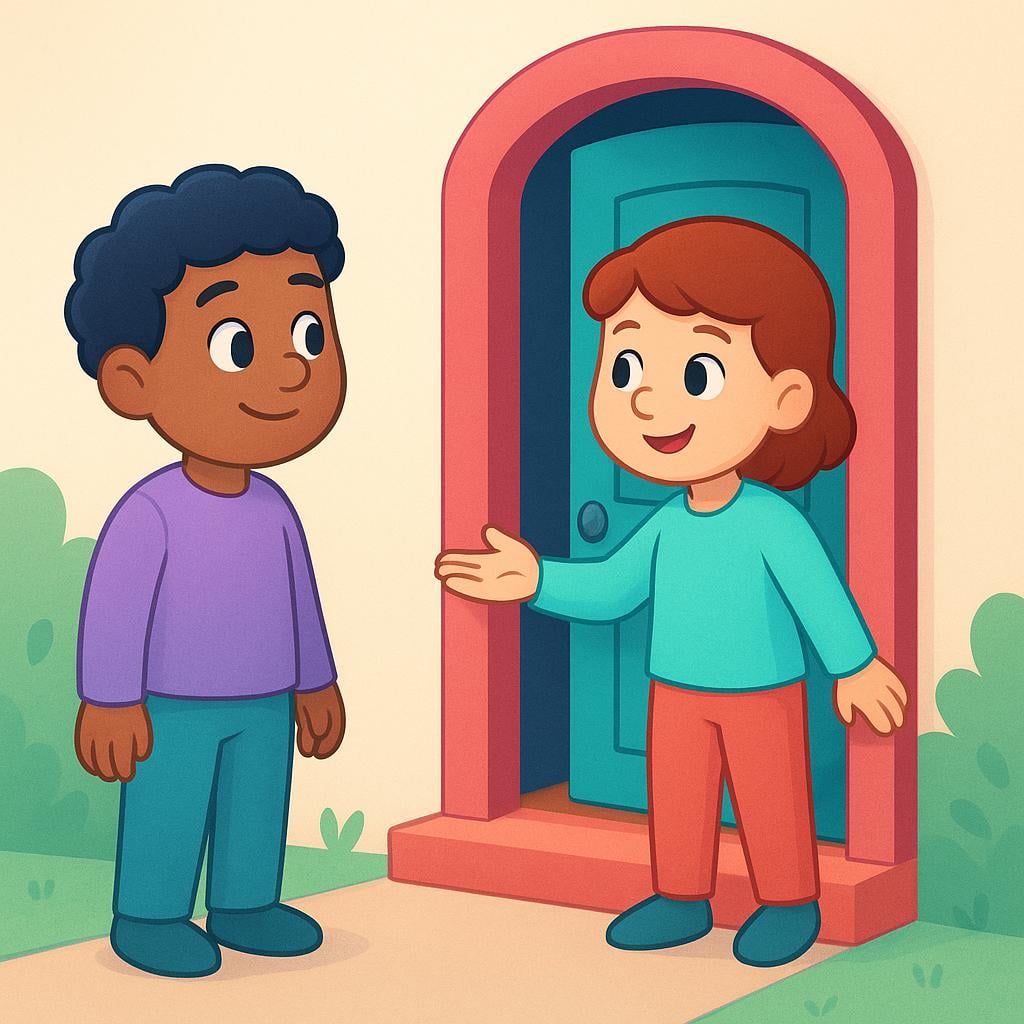
📝 In Action
¡Qué frío! Entremos ya, por favor.
A1It's so cold! Let's go in now, please.
Entremos en materia: ¿quién se encargará del proyecto?
B2Let's get down to business: who will be in charge of the project?
Si no hay más preguntas, entremos a la siguiente fase.
B1If there are no more questions, let's move on to the next phase.
that we enter
Also: that we come in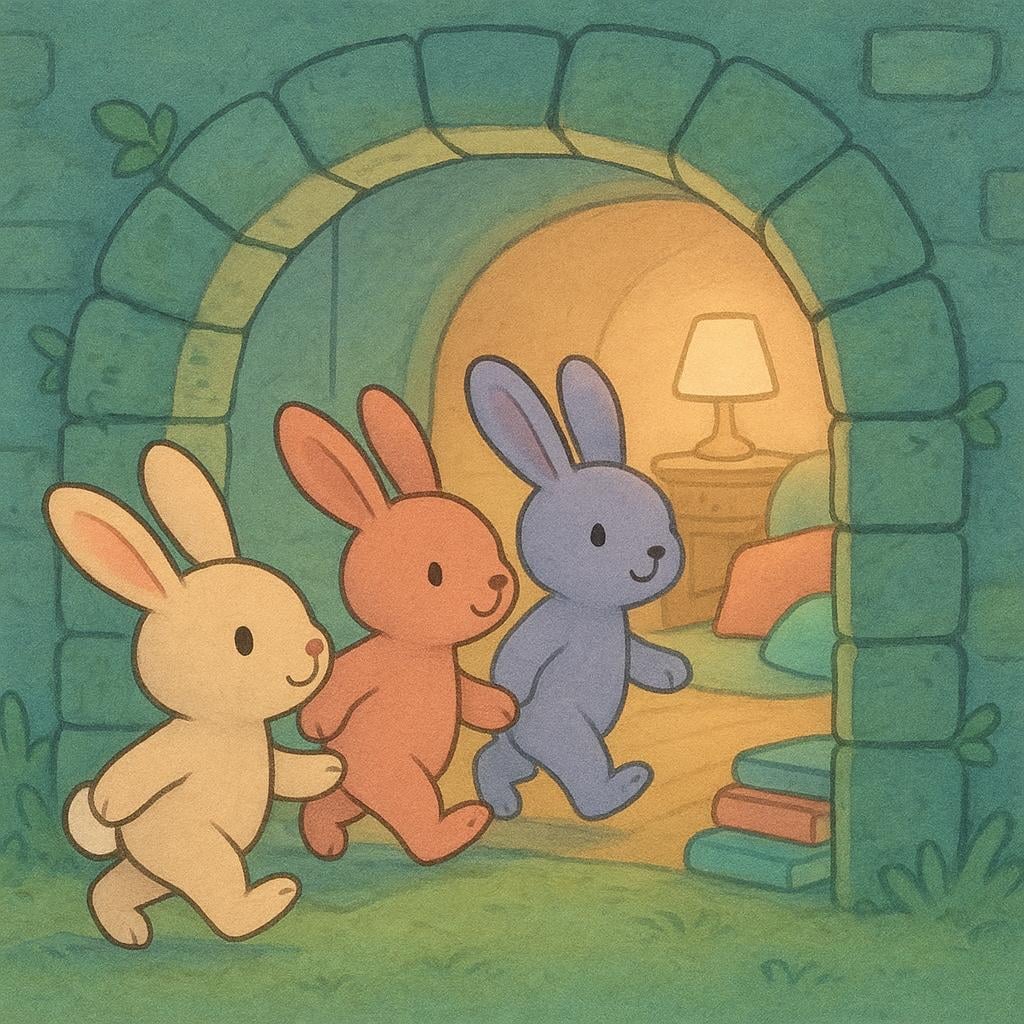
📝 In Action
Es importante que entremos en contacto con el cliente.
B1It is important that we get in touch with the client.
Dudo que entremos al concierto sin entradas.
B2I doubt that we will enter the concert without tickets.
Ella sugiere que entremos por la puerta trasera.
B1She suggests that we enter through the back door.
Indicative
Present
Imperfect
Preterite
Subjunctive
Present Subjunctive
Imperfect Subjunctive
Translate to Spanish
✏️ Quick Practice
Quick Quiz: entremos
Question 1 of 2
Which sentence uses 'entremos' as a suggestion or command?
📚 More Resources
👥 Word Family▼
🎵 Rhymes▼
📚 Etymology▼
From the Latin verb *intrāre*, meaning 'to walk into' or 'to enter inside.' It shares a root with the English word 'enter' and the Spanish word 'dentro' (inside).
First recorded: c. 13th century
Cognates (Related words)
💡 Master Spanish
Take your Spanish to the next level. Read 200+ illustrated and narrated Spanish stories tailored to your level with the Inklingo app!
Frequently Asked Questions
How do I know if 'entremos' means 'Let's enter' or 'that we enter'?
If 'entremos' stands alone or starts a sentence, it means 'Let's enter' (a command). If it appears in the second part of a sentence following a word like 'que' and a verb of desire or doubt (e.g., 'Espero que entremos...'), it is the subjunctive form meaning 'that we enter.'
Is 'entremos' an irregular verb form?
No, 'entremos' comes from the verb 'entrar,' which is a completely regular verb. Its conjugation follows the standard pattern for all -AR verbs.