escapa
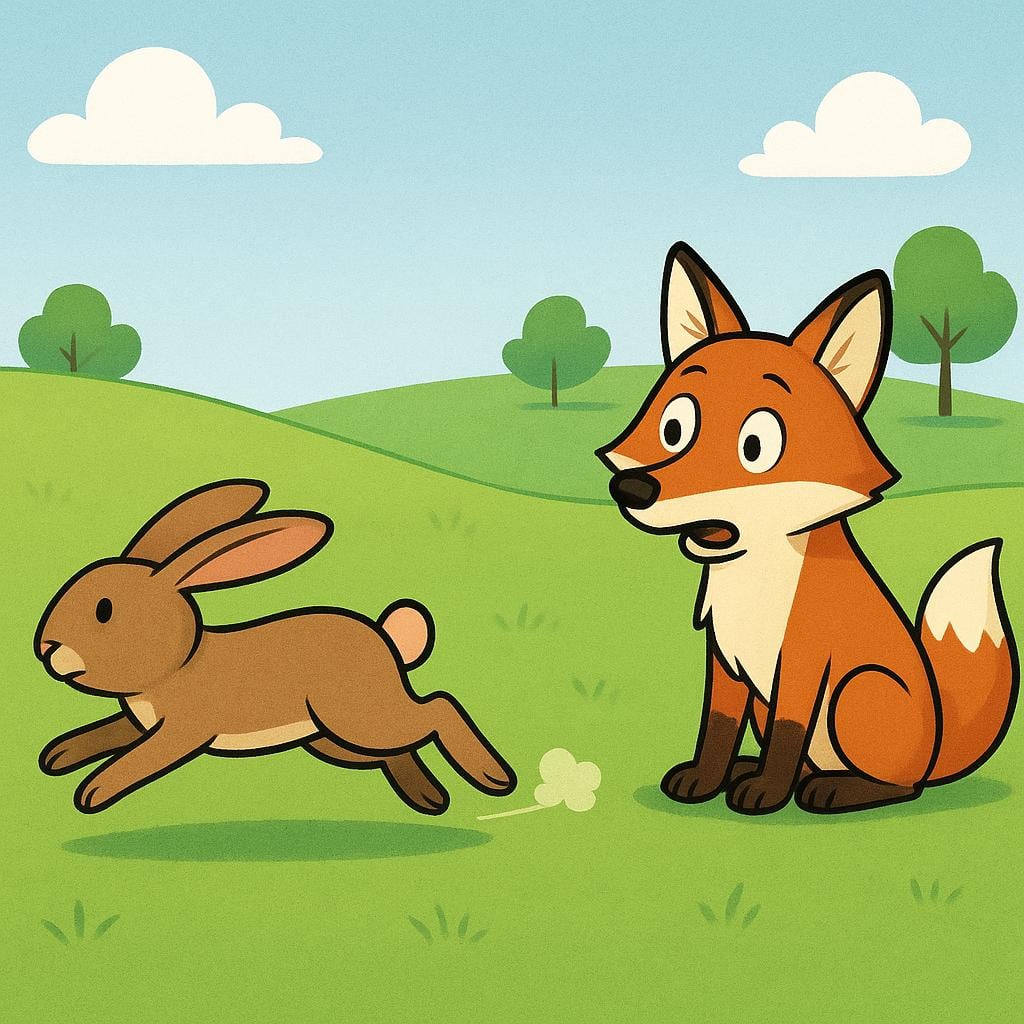
“escapa” means “escapes” in Spanish. It has 2 different meanings depending on context:


escapes, escape!Also: runs away, gets out
📝 In Action
El perro siempre escapa del jardín.
A2The dog always escapes from the garden.
¡Escapa! Hay una emergencia.
A2Escape! There is an emergency.
Usted escapa de sus responsabilidades constantemente.
B1You (formal) constantly escape your responsibilities.
Word Connections
slips out, slips one's mindAlso: is missed

📝 In Action
Siempre se me escapa esa fórmula durante el examen.
B1That formula always slips my mind during the exam.
Cuando habla, a veces se le escapa algún secreto.
B2When he talks, sometimes a secret slips out.
Word Connections
Indicative
Present
Imperfect
Preterite
Subjunctive
Present Subjunctive
Imperfect Subjunctive
Translate to Spanish
✏️ Quick Practice
Quick Quiz: escapa
Question 1 of 1
Which sentence uses 'escapa' as an informal command?
📚 More Resources
👥 Word Family
🎵 Rhymes
📚 Etymology
The verb 'escapar' comes from Late Latin *excappare*, which literally meant 'to leave one's cape or cloak behind.' The idea is that you are fleeing so quickly that you abandon your outer garments to get away faster.
First recorded: Around the 13th century in Spanish
Cognates (Related words)
💡 Master Spanish
Take your Spanish to the next level. Read 200+ illustrated and narrated Spanish stories tailored to your level with the Inklingo app!
Frequently Asked Questions
What is the difference between 'escapa' and 'escaparse'?
'Escapa' is the simple verb form (he/she escapes). 'Escaparse' is the reflexive form, often used to mean 'to run away' or, more commonly, to express that something was forgotten unintentionally ('se me escapa' means 'it slips my mind').