escoba
“escoba” means “broom” in Spanish. It has 2 different meanings depending on context:

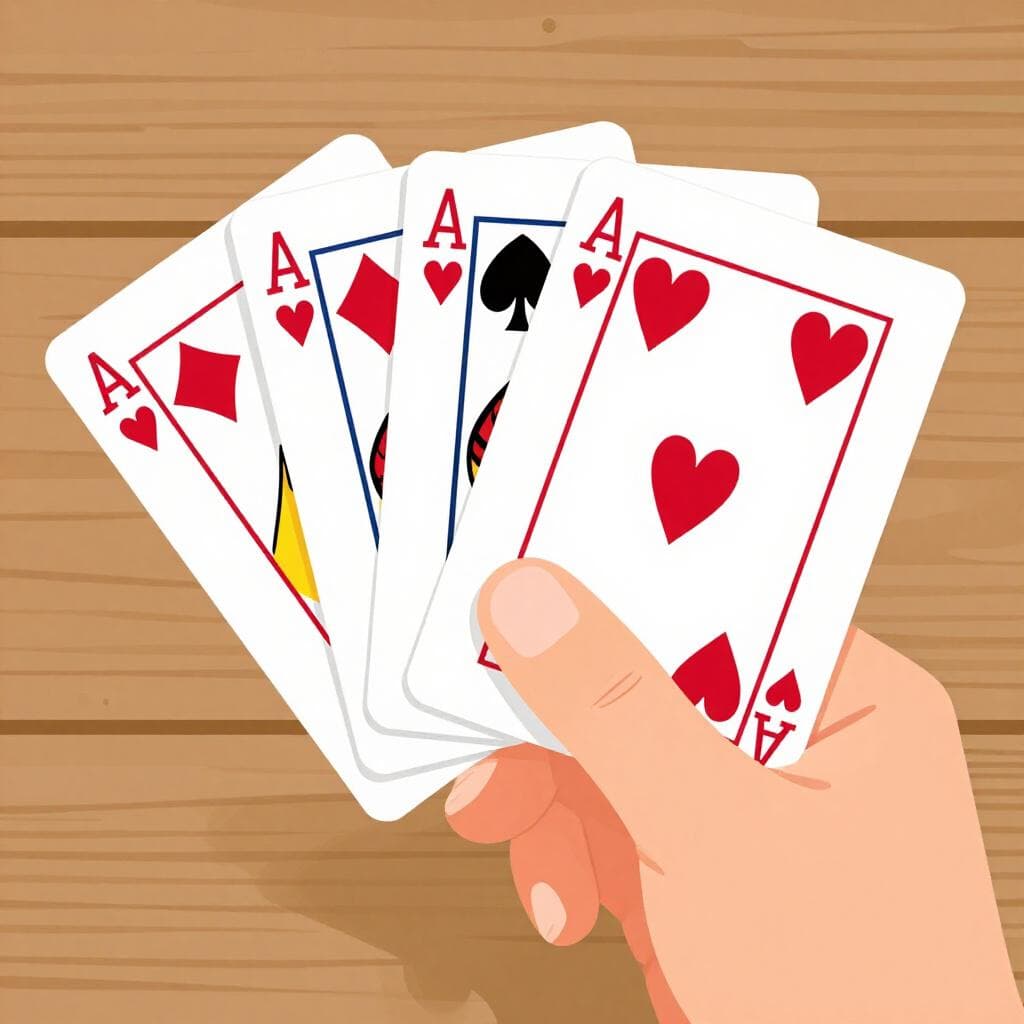
broom
Also: brush
📝 In Action
Necesito una escoba para limpiar el suelo.
A1I need a broom to clean the floor.
La escoba está detrás de la puerta.
A1The broom is behind the door.
En los cuentos, las brujas vuelan en una escoba.
A2In stories, witches fly on a broomstick.
Escoba
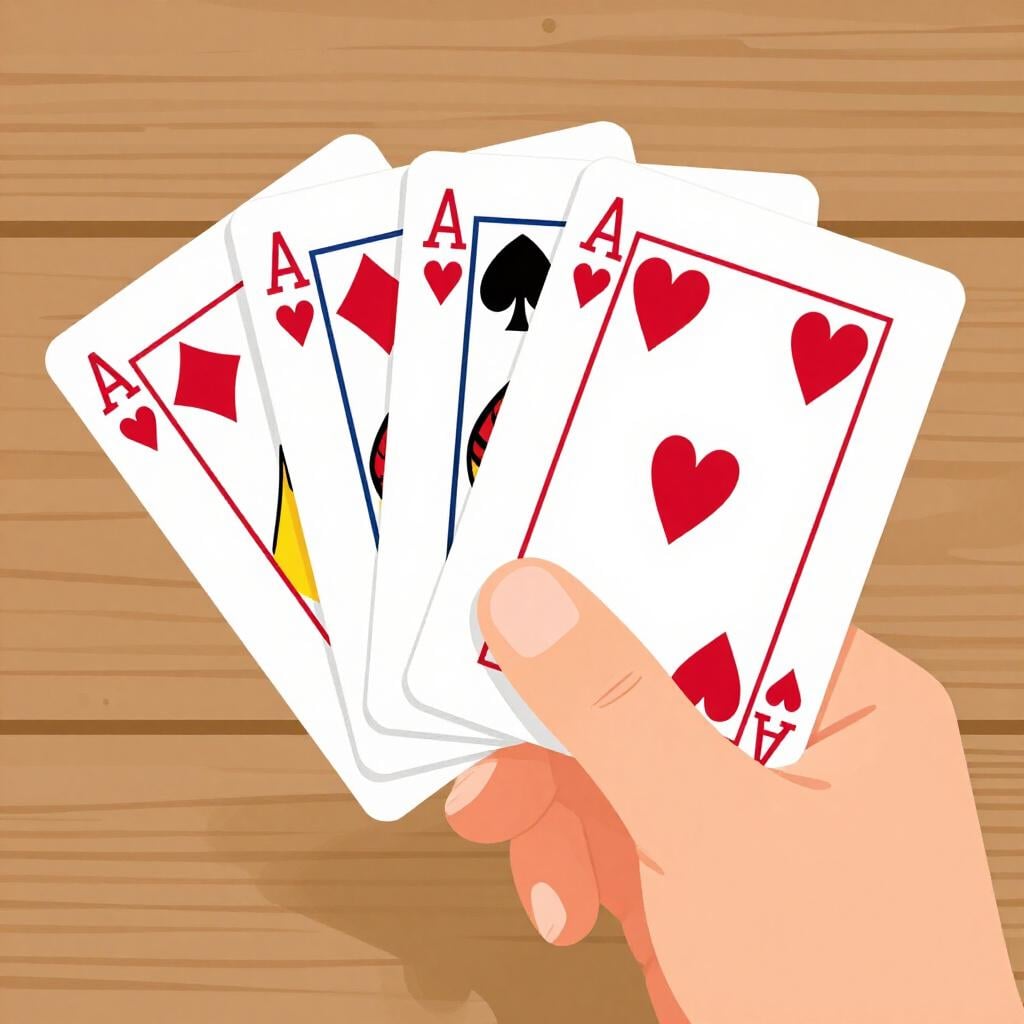
📝 In Action
¿Quieres jugar una partida a la escoba?
B1Do you want to play a round of Escoba?
¡Hice una escoba y me llevé todas las cartas!
B2I made an 'escoba' and took all the cards!
✏️ Quick Practice
Quick Quiz: escoba
Question 1 of 3
Which verb is most commonly associated with using an 'escoba'?
📚 More Resources
👥 Word Family▼
🎵 Rhymes▼
📚 Etymology▼
From the Latin word 'scopa', which referred to thin branches or twigs bundled together to form a brush.
First recorded: 13th century
Cognates (Related words)
💡 Master Spanish
Take your Spanish to the next level. Read 200+ illustrated and narrated Spanish stories tailored to your level with the Inklingo app!
Frequently Asked Questions
Can 'escoba' be used for a hairbrush?
No. For a hairbrush, you should use 'cepillo' or 'cepillo de pelo'. 'Escoba' is strictly for floors.
What is the difference between 'escoba' and 'escobilla'?
An 'escoba' is the large broom for the floor. An 'escobilla' is usually a smaller brush, most commonly the 'escobilla del váter' (toilet brush).
Is it 'escoba' in all Spanish-speaking countries?
Yes, 'escoba' is understood everywhere, though some countries might use 'cepillo' for a push-broom.