How to Say "brush" in Spanish
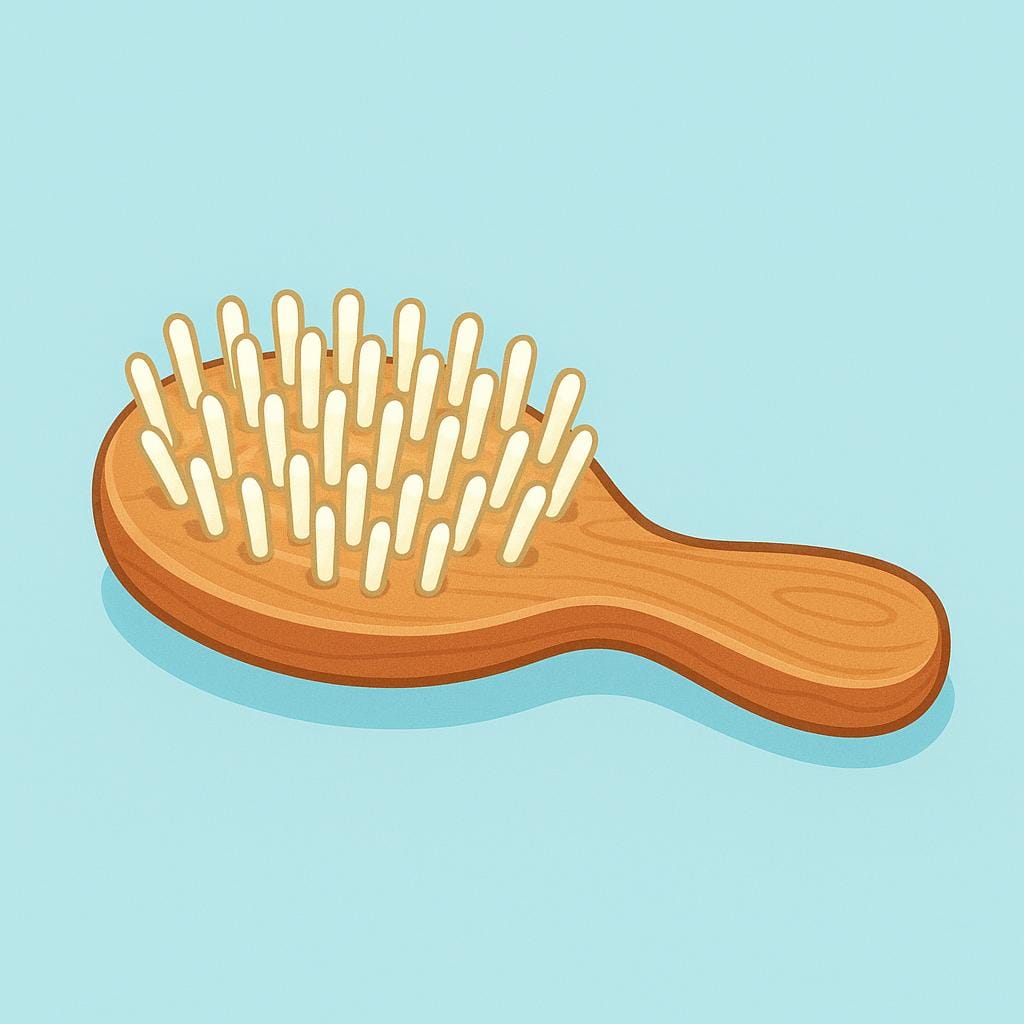
The most common Spanish word for “brush” is “cepillo” — use 'cepillo' for any general tool used for cleaning, tidying, or grooming, such as a toothbrush, hairbrush, or scrubbing brush.
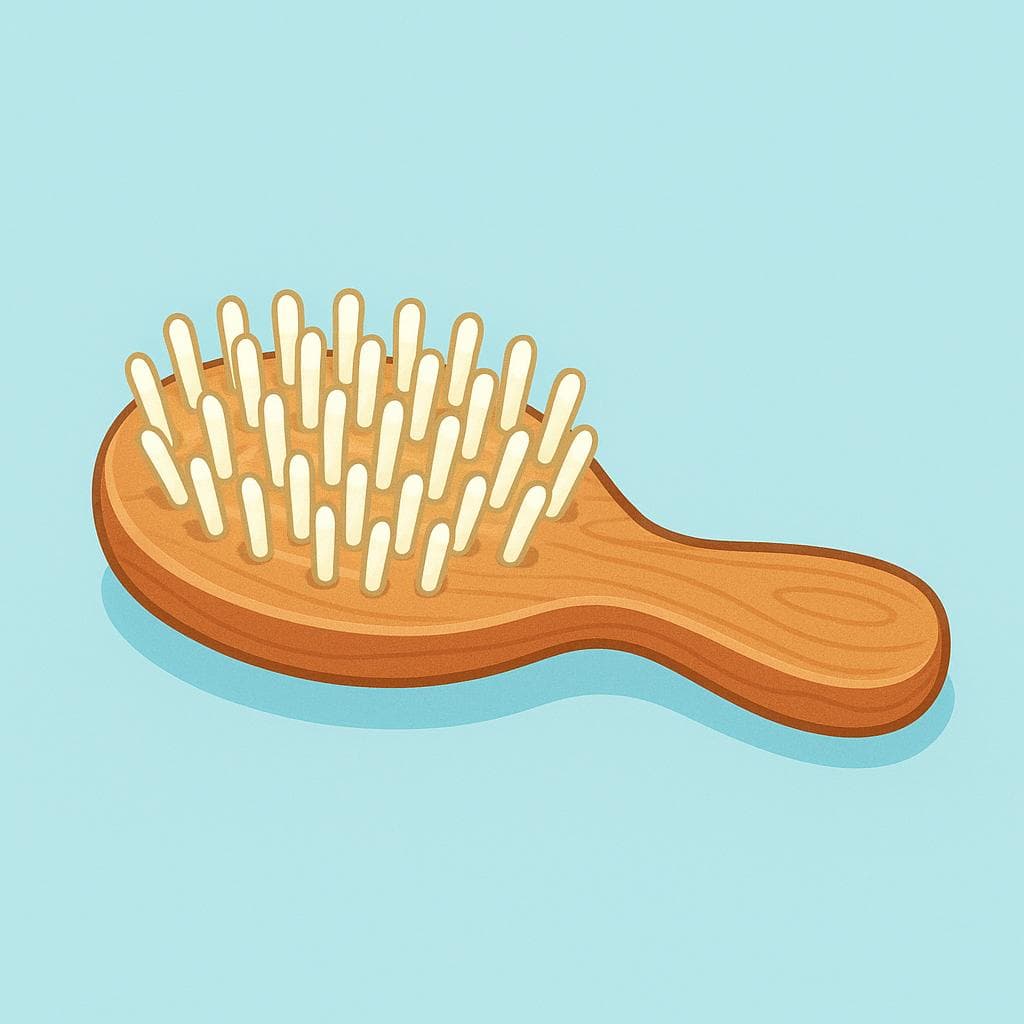

cepillo
seh-PEE-yohseˈpi.ʝo
Examples
Me lavo los dientes con un cepillo eléctrico.
I brush my teeth with an electric toothbrush.
Perdí mi cepillo de dientes en el viaje.
I lost my toothbrush on the trip.
Pásale el cepillo a ese abrigo para quitarle las pelusas.
Brush that coat to remove the lint.
Siempre llevo un cepillo pequeño en mi bolso.
I always carry a small brush in my purse.
Gender Reminder
Remember that 'cepillo' is always a masculine word, so you must use 'el' before it: 'el cepillo'.
Mixing up 'brush' and 'comb'
Mistake: “Using 'cepillo' when you mean 'peine' (comb).”
Correction: 'Cepillo' has bristles; 'peine' has teeth. Use 'peine' for a comb.
escoba
es-KOH-bahesˈko.βa

Examples
La empleada de hogar usa la escoba para barrer el polvo.
The cleaning lady uses the broom to sweep the dust.
Necesito una escoba para limpiar el suelo.
I need a broom to clean the floor.
La escoba está detrás de la puerta.
The broom is behind the door.
En los cuentos, las brujas vuelan en una escoba.
In stories, witches fly on a broomstick.
Always Feminine
The word 'escoba' is feminine, so you must always use 'la' or 'una' with it, even if a man is using it!
Brooms vs. Mops
Spanish distinguishes clearly between 'escoba' (for dry sweeping) and 'fregona' (for wet mopping). Don't mix them up!
Mistaking 'escoba' for 'barrer'
Mistake: “Yo escoba el piso.”
Correction: Yo barro el piso (using the verb 'barrer') or 'Yo paso la escoba'. 'Escoba' is the object, not the action.
Cepillo vs. Escoba
Related Translations
Learn Spanish with Inklingo
Interactive stories, personalized learning, and more.