esmalte
“esmalte” means “nail polish” in Spanish. It has 2 different meanings depending on context:


nail polish
Also: lacquer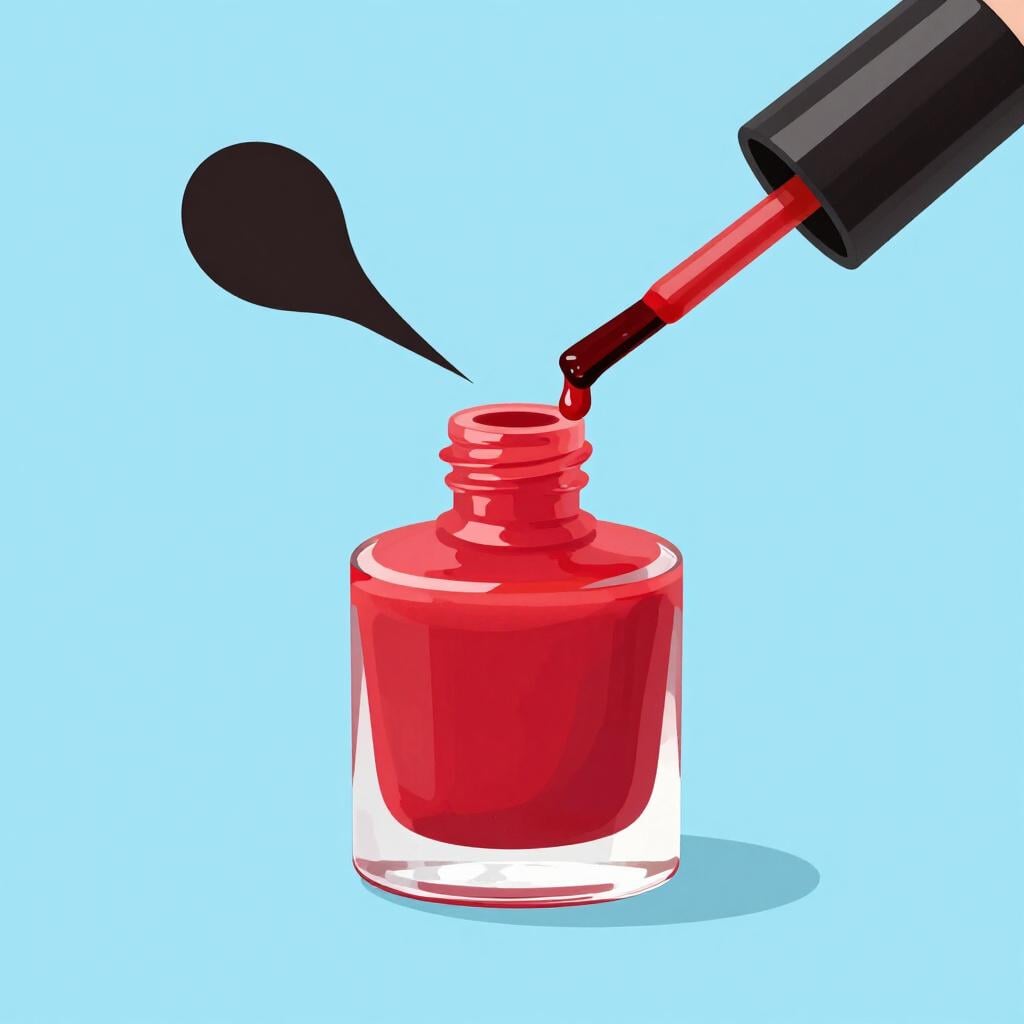
📝 In Action
Me gusta este color de esmalte.
A1I like this nail polish color.
Necesito comprar un esmalte de secado rápido.
A2I need to buy a quick-drying nail polish.
El esmalte se me está saltando.
B1My nail polish is chipping off.
enamel
Also: glaze
📝 In Action
El azúcar puede dañar el esmalte de los dientes.
B1Sugar can damage tooth enamel.
Esta cazuela tiene un acabado de esmalte.
B2This pot has an enamel finish.
El artista aplicó un esmalte azul a la cerámica.
C1The artist applied a blue glaze to the ceramic.
Translate to Spanish
✏️ Quick Practice
Quick Quiz: esmalte
Question 1 of 3
¿Cuál es la traducción más común de 'esmalte' en una tienda de belleza?
📚 More Resources
👥 Word Family▼
🎵 Rhymes▼
📚 Etymology▼
From the Germanic word 'smalt' (meaning to melt), which traveled through Old French as 'esmail' before becoming the Spanish word we use today to describe a melted, glassy coating.
First recorded: 13th century
Cognates (Related words)
💡 Master Spanish
Take your Spanish to the next level. Read 200+ illustrated and narrated Spanish stories tailored to your level with the Inklingo app!
Frequently Asked Questions
Is 'esmalte' used for both fingers and toes?
Yes, 'esmalte' is used for polish on both fingernails and toenails.
Can I use 'esmalte' for hairspray?
No, for hairspray you should use 'laca' or 'fijador'.
What is the difference between 'esmalte' and 'pintauñas'?
They mean the same thing, but 'esmalte' is more formal/neutral, while 'pintauñas' is more common in casual conversation in Spain.