espectáculo
“espectáculo” means “show” in Spanish. It has 2 different meanings depending on context:
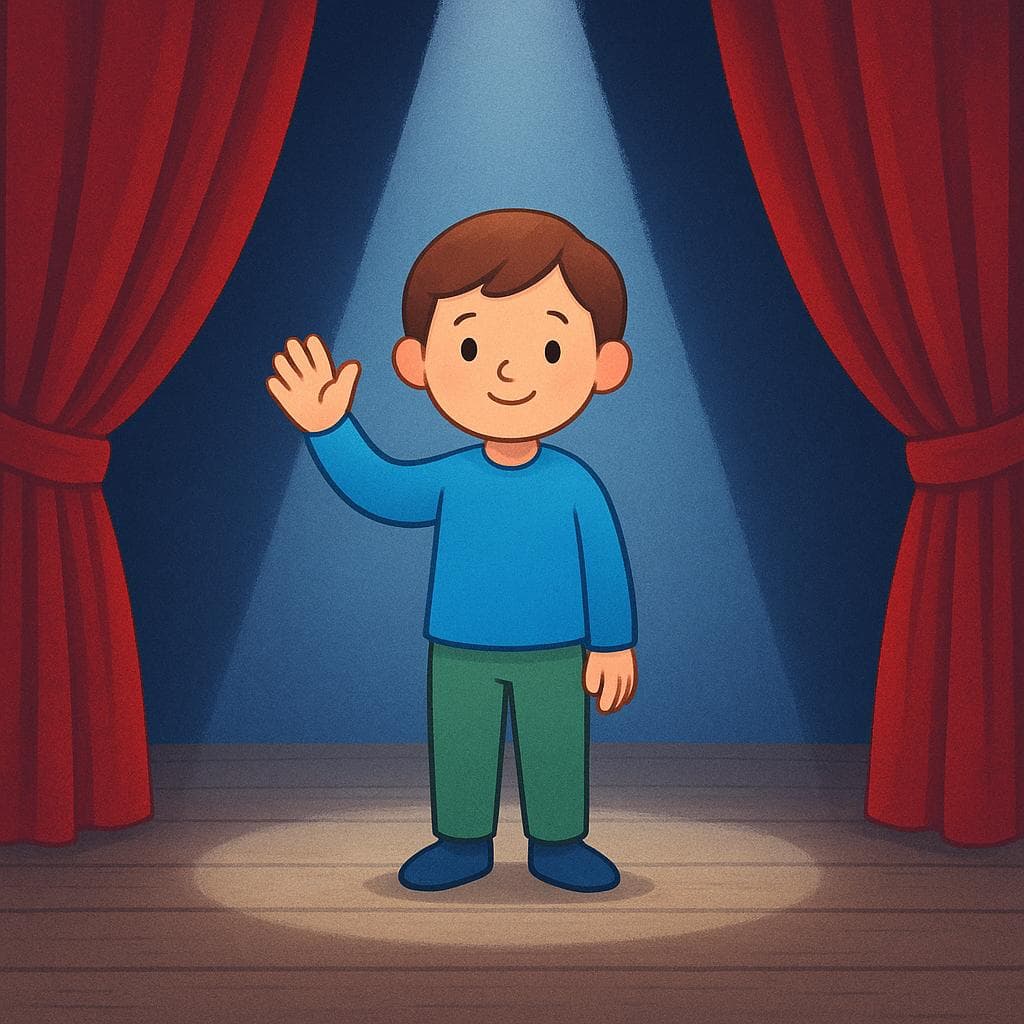
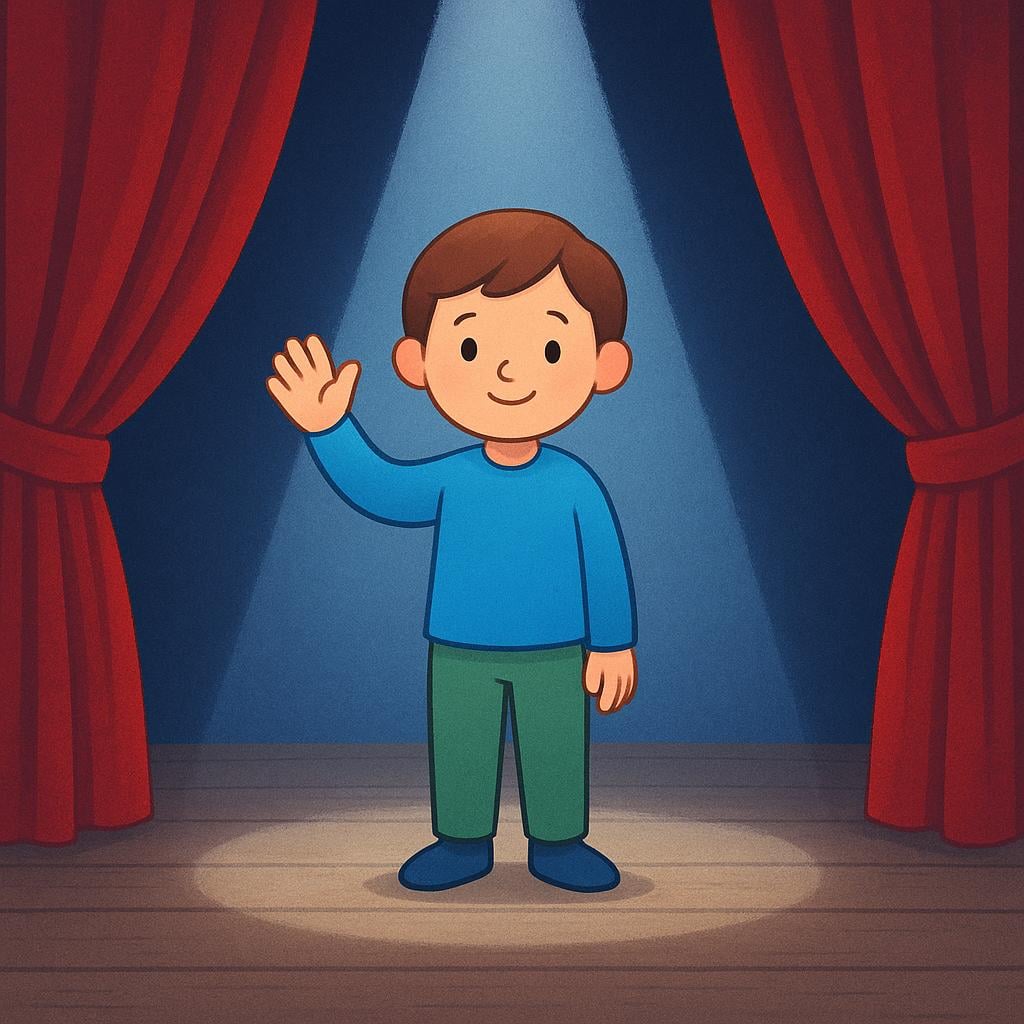
show, performanceAlso: spectacle
📝 In Action
El espectáculo de circo fue increíble, especialmente los acróbatas.
A2The circus show was incredible, especially the acrobats.
Vamos a comprar entradas para el espectáculo de danza de esta noche.
B1We are going to buy tickets for tonight's dance performance.
El partido de fútbol fue un gran espectáculo deportivo.
A2The soccer match was a great sporting spectacle.
Word Connections
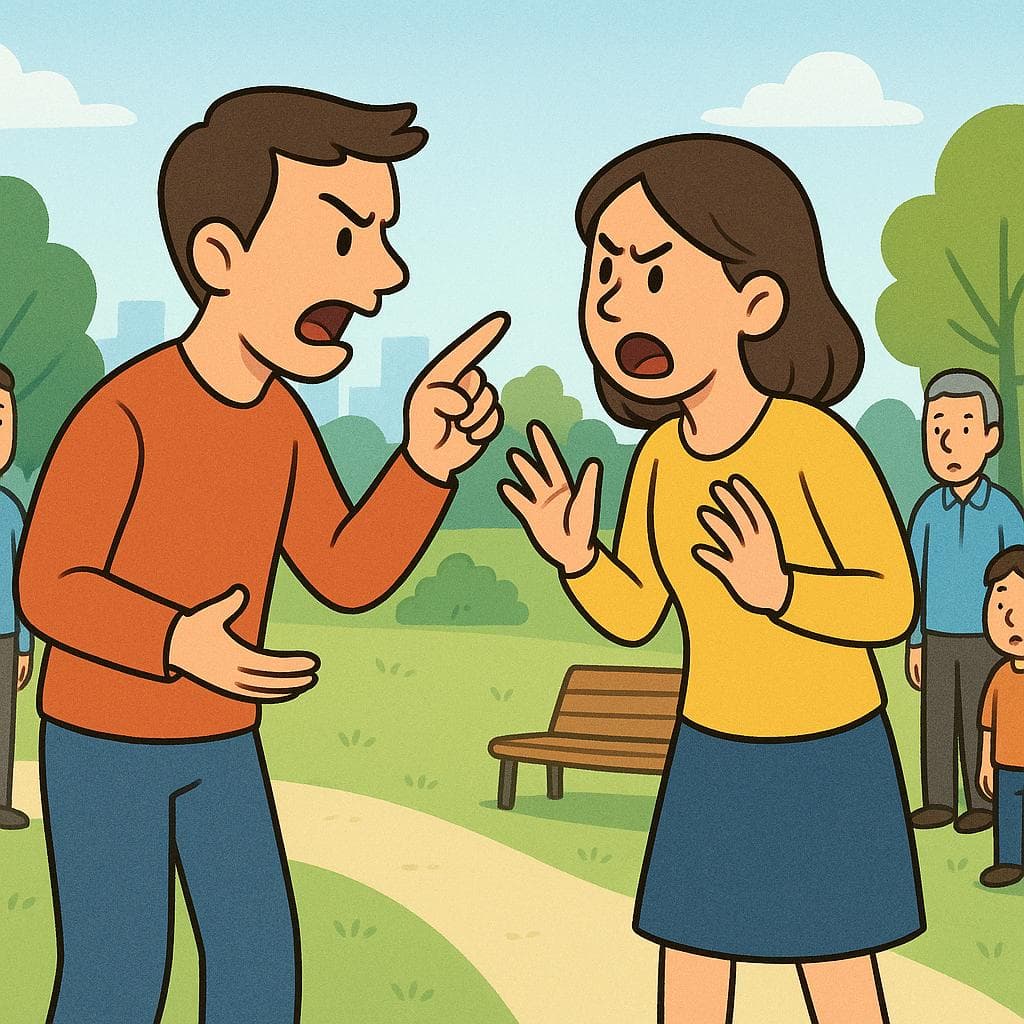
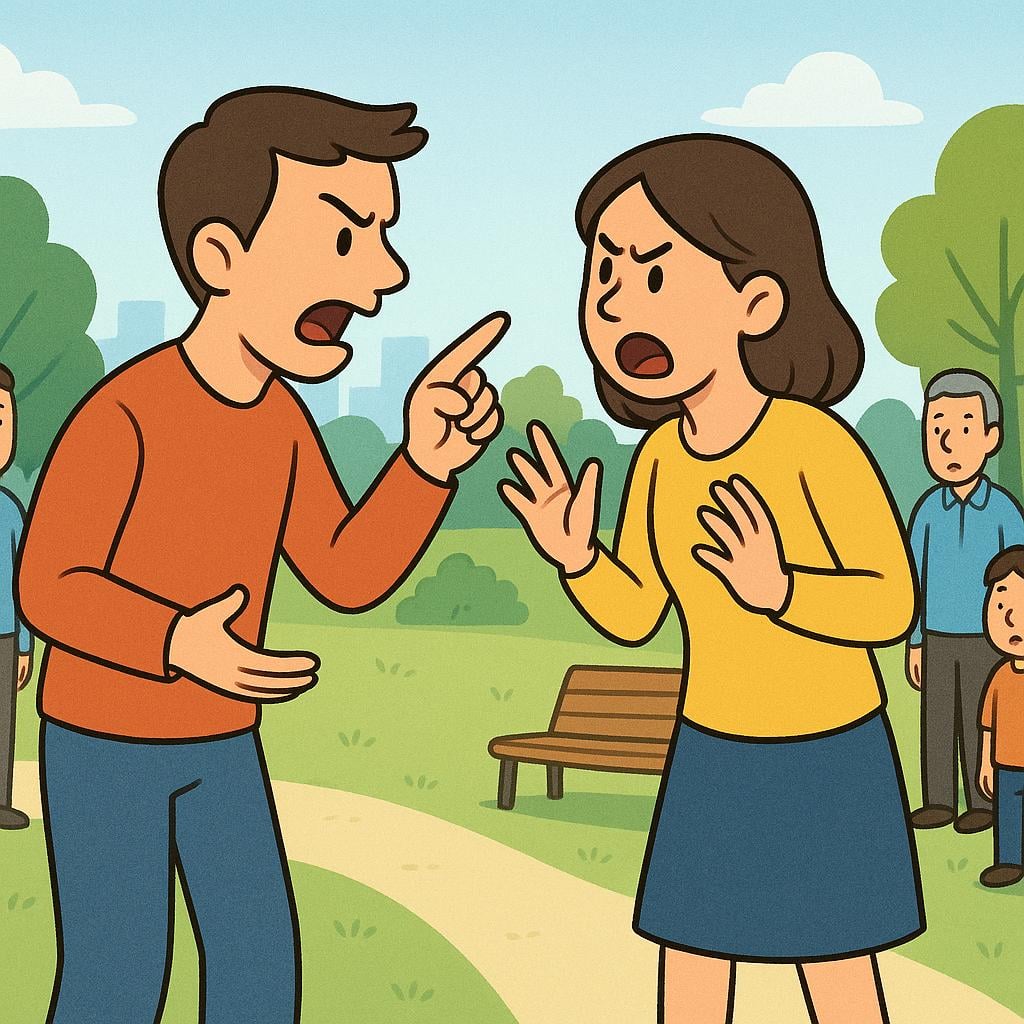
scene, sightAlso: scandal
📝 In Action
¡No me hables así! No hagas un espectáculo en medio del restaurante.
B1Don't speak to me like that! Don't make a scene in the middle of the restaurant.
La pelea callejera fue un verdadero espectáculo; todos se detuvieron a mirar.
B2The street fight was a real sight; everyone stopped to watch.
Word Connections
✏️ Quick Practice
Quick Quiz: espectáculo
Question 1 of 1
Which sentence uses 'espectáculo' to mean a public disturbance rather than a performance?
📚 More Resources
🎵 Rhymes
📚 Etymology
This word comes directly from the Latin word *spectaculum*, which meant 'a sight' or 'a public show.' It shares roots with the verb *spectare*, meaning 'to look at' or 'to behold,' giving it a strong connection to anything that is visually impressive or meant to be viewed.
First recorded: 13th century
Cognates (Related words)
💡 Master Spanish
Take your Spanish to the next level. Read 200+ illustrated and narrated Spanish stories tailored to your level with the Inklingo app!
Frequently Asked Questions
Does 'espectáculo' only refer to formal performances like plays?
No. While it certainly refers to formal shows, it can also be used for informal public sights, like a beautiful sunset ('un bello espectáculo natural') or even a chaotic event that draws a crowd.
What is the difference between 'espectáculo' and 'función'?
'Espectáculo' refers to the general event or production itself (e.g., 'the whole show'). 'Función' usually refers to a specific showing or screening time (e.g., 'the 8 PM showing').