esperé
“esperé” means “I waited” in Spanish (Completed action in the past).
I waited
Also: I hoped (for), I expected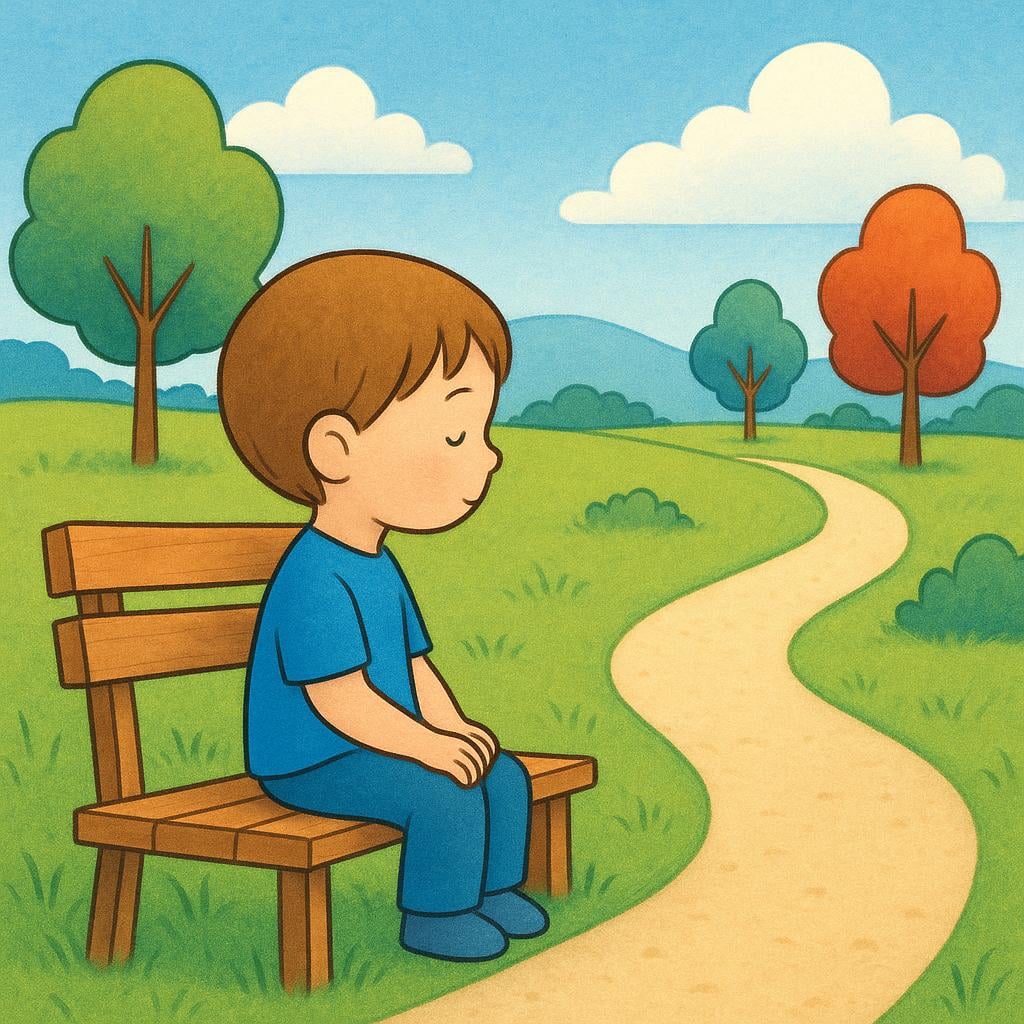
📝 In Action
Esperé dos horas en la cola del cine.
A1I waited two hours in the movie line.
Esperé tu llamada todo el día, pero no llegó.
A2I waited for your call all day, but it didn't come.
Esperé que el resultado fuera mejor, pero no tuvimos suerte.
B1I hoped the result would be better, but we weren't lucky.
🔄 Conjugations
indicative
present
imperfect
preterite
subjunctive
present
imperfect
Translate to Spanish
✏️ Quick Practice
Quick Quiz: esperé
Question 1 of 2
Which sentence correctly uses 'esperé'?
📚 More Resources
👥 Word Family▼
📚 Etymology▼
The verb 'esperar' comes from the Latin verb *sperare*, which meant 'to hope' or 'to expect.' Over time, in Spanish and other Romance languages, the meaning expanded to include the act of 'waiting,' reflecting the idea of anticipating something.
First recorded: c. 13th century (in the form 'esperar')
Cognates (Related words)
💡 Master Spanish
Take your Spanish to the next level. Read 200+ illustrated and narrated Spanish stories tailored to your level with the Inklingo app!
Frequently Asked Questions
Why does 'esperar' mean both 'to wait' and 'to hope'?
These two ideas are connected! When you hope for something, you are essentially waiting for it to happen. In Spanish, the single word 'esperar' covers both the physical act of waiting and the emotional state of hoping/expecting.
How do I know if 'esperé' means 'I waited' or 'I hoped'?
Context is key. If the sentence mentions a specific time or place (like a bus stop or a queue), it means 'I waited.' If the sentence involves an abstract idea or a desired outcome, it means 'I hoped' ('Esperé que todo saliera bien' - I hoped everything would turn out well).