espiral
“espiral” means “spiral” in Spanish. It has 2 different meanings depending on context:
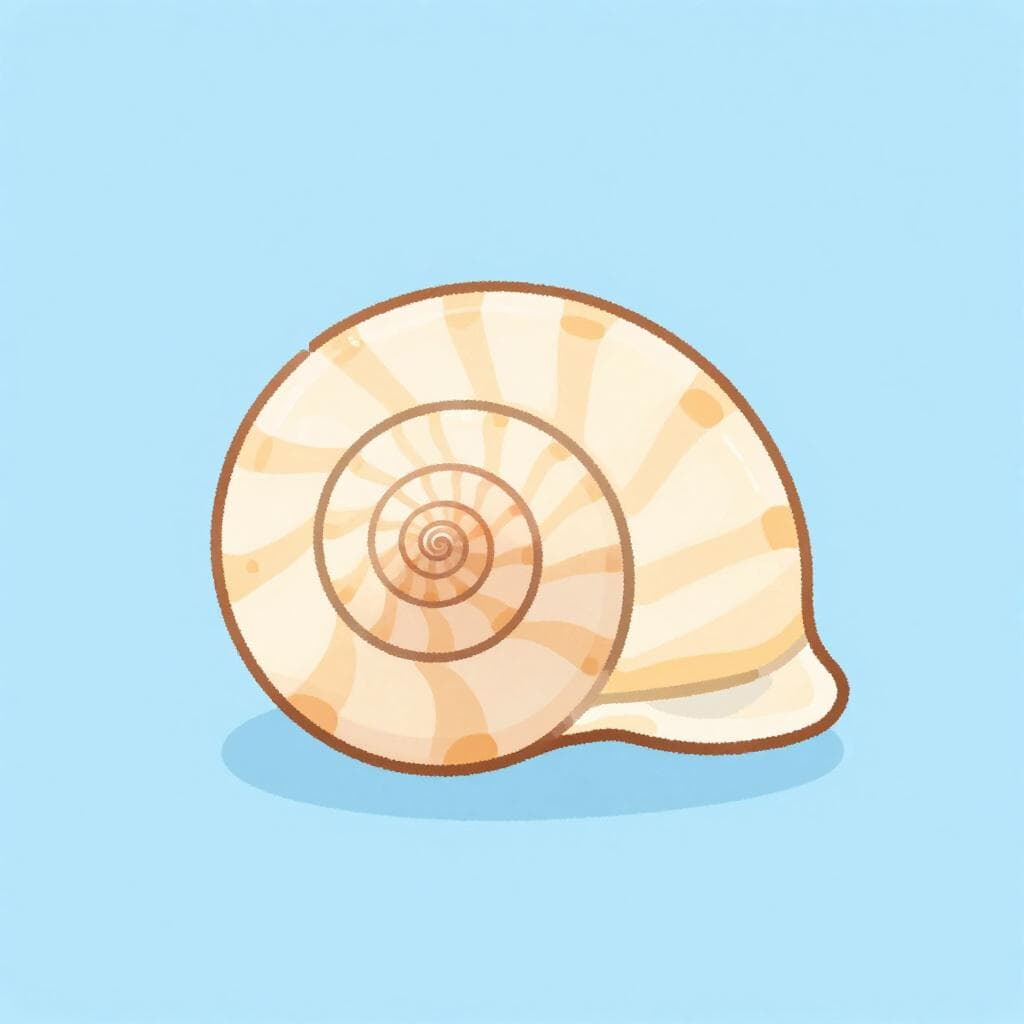
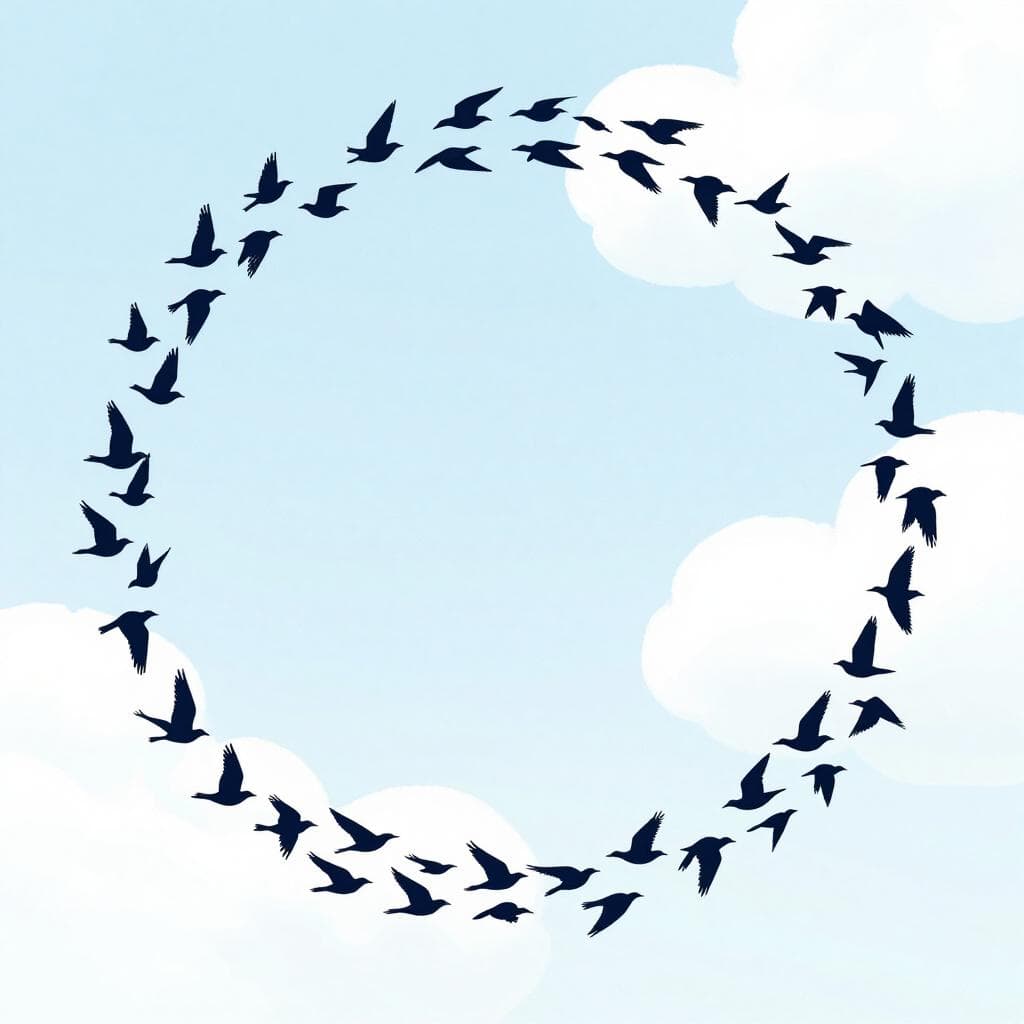
spiral, coil
Also: binding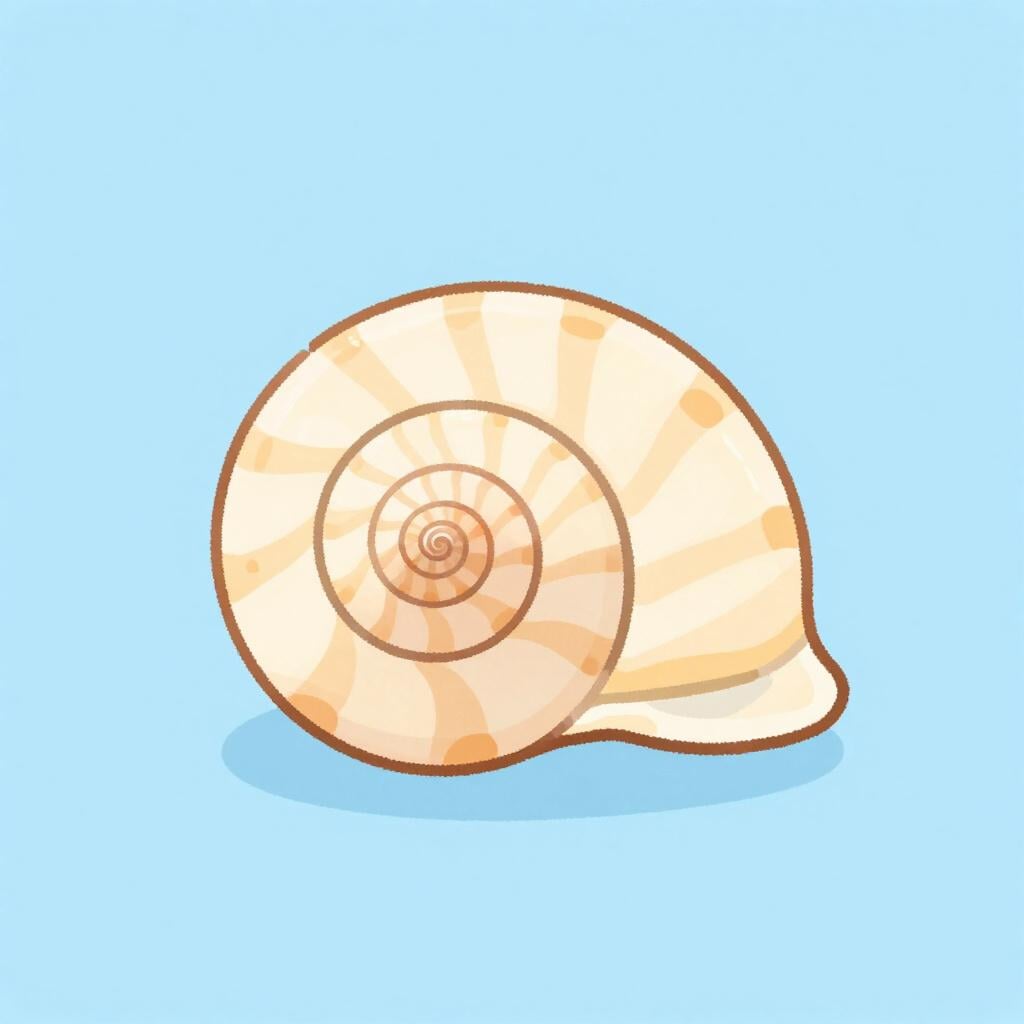
📝 In Action
Dibuja una espiral en tu cuaderno.
A1Draw a spiral in your notebook.
La concha del caracol tiene forma de espiral.
A2The snail's shell has a spiral shape.
Prefiero los cuadernos con espiral de metal.
B1I prefer notebooks with metal spiral binding.
spiral, vicious cycle

📝 In Action
El país cayó en una espiral de violencia.
B2The country fell into a spiral of violence.
Es difícil romper la espiral de pensamientos negativos.
C1It is hard to break the spiral of negative thoughts.
La subida de precios creó una espiral inflacionista.
C2The price hike created an inflationary spiral.
Translate to Spanish
✏️ Quick Practice
Quick Quiz: espiral
Question 1 of 3
Which of these is the correct way to say 'the spiral'?
📚 More Resources
👥 Word Family▼
📚 Etymology▼
From the Latin word 'spiralis', which comes from 'spira' (a coil or twist). This traces back further to a Greek word meaning anything wound or wrapped.
First recorded: 17th century
Cognates (Related words)
💡 Master Spanish
Take your Spanish to the next level. Read 200+ illustrated and narrated Spanish stories tailored to your level with the Inklingo app!
Frequently Asked Questions
Is 'espiral' masculine or feminine?
It is feminine (la espiral). This is a common point of confusion for learners because it ends in 'l'.
Can I use 'espiral' as a verb like in English (e.g., 'to spiral out of control')?
While the verb 'espiralar' exists, it is very rare. Instead, Spanish speakers say things like 'caer en una espiral' (to fall into a spiral) or 'entrar en una espiral' (to enter a spiral).
What's the difference between 'espiral' and 'caracol'?
'Caracol' literally means snail, but it is often used to describe things like spiral staircases (escalera de caracol). 'Espiral' is more of a geometric or general term.