How to Say "spiral" in Spanish
The most common Spanish word for “spiral” is “espiral” — use 'espiral' when referring to the geometric shape of a curve that winds around a central point, or for a progressive increase or decrease in a situation.
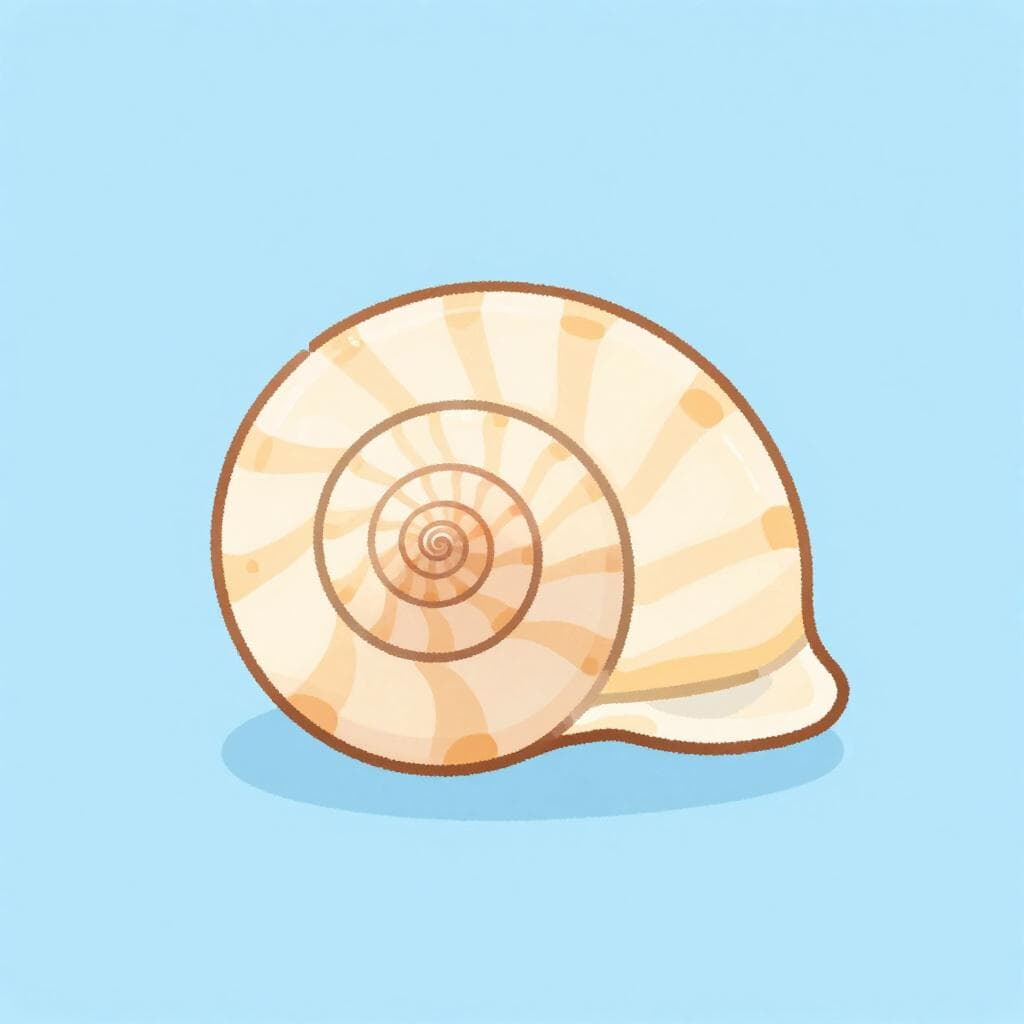
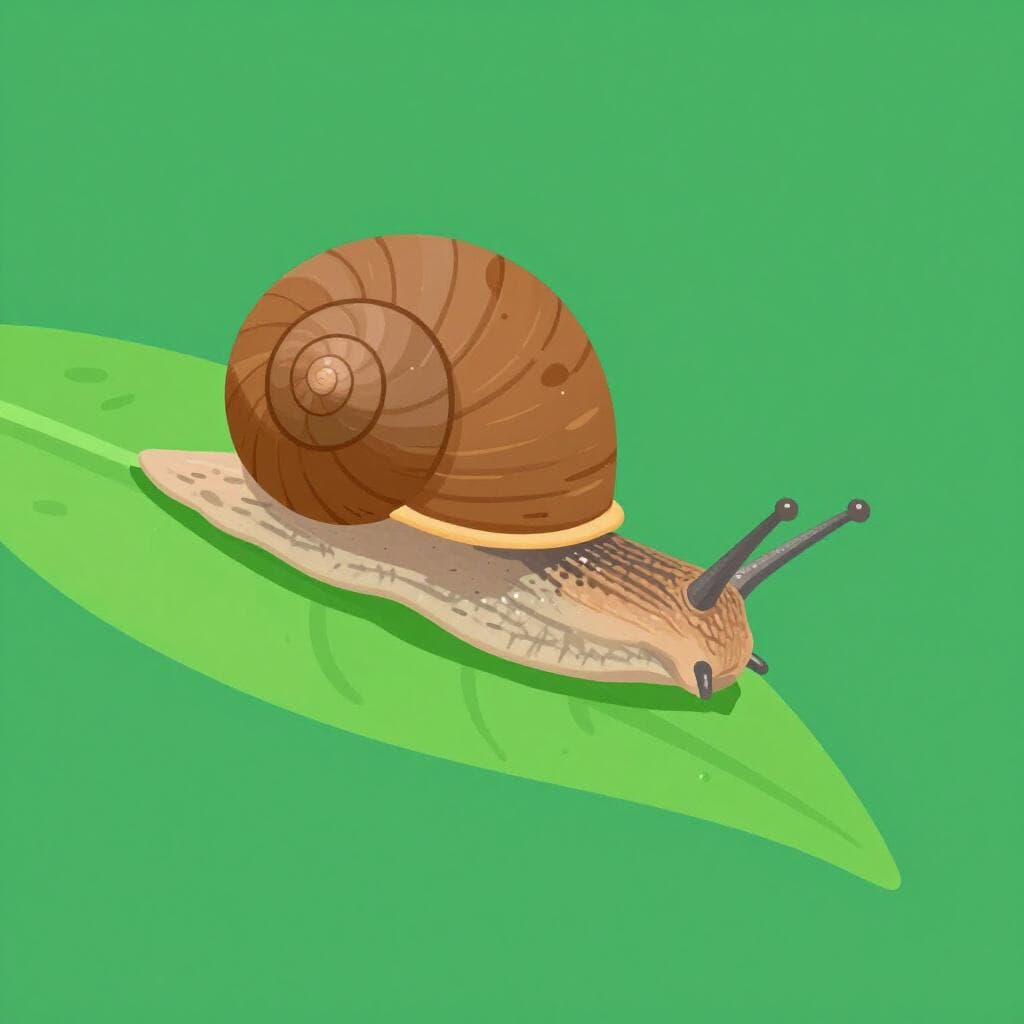
espiral
es-pee-RAHLespiˈɾal

Examples
Dibuja una espiral en tu cuaderno.
Draw a spiral in your notebook.
La concha del caracol tiene forma de espiral.
The snail's shell has a spiral shape.
Prefiero los cuadernos con espiral de metal.
I prefer notebooks with metal spiral binding.
El país cayó en una espiral de violencia.
The country fell into a spiral of violence.
It's a 'Girl' Word
Even though it doesn't end in 'a', espiral is feminine. Always use 'la' or 'una' with it.
Describing Shapes
When using it to describe something else, we usually say 'en espiral' (in a spiral) rather than using it as a direct adjective.
Abstract Patterns
When talking about feelings or economics, use 'espiral de' followed by the problem (e.g., violence, silence, debt).
The 'El' Trap
Mistake: “El espiral es azul.”
Correction: La espiral es azul. (Think of it like 'la sal' or 'la miel'; some words ending in consonants are feminine!)
espiral
es-pee-RAHLespiˈɾal
Examples
El país cayó en una espiral de violencia.
The country fell into a spiral of violence.
Dibuja una espiral en tu cuaderno.
Draw a spiral in your notebook.
La concha del caracol tiene forma de espiral.
The snail's shell has a spiral shape.
Prefiero los cuadernos con espiral de metal.
I prefer notebooks with metal spiral binding.
It's a 'Girl' Word
Even though it doesn't end in 'a', espiral is feminine. Always use 'la' or 'una' with it.
Describing Shapes
When using it to describe something else, we usually say 'en espiral' (in a spiral) rather than using it as a direct adjective.
Abstract Patterns
When talking about feelings or economics, use 'espiral de' followed by the problem (e.g., violence, silence, debt).
The 'El' Trap
Mistake: “El espiral es azul.”
Correction: La espiral es azul. (Think of it like 'la sal' or 'la miel'; some words ending in consonants are feminine!)
caracol
kah-rah-kohlkaɾaˈkol
Examples
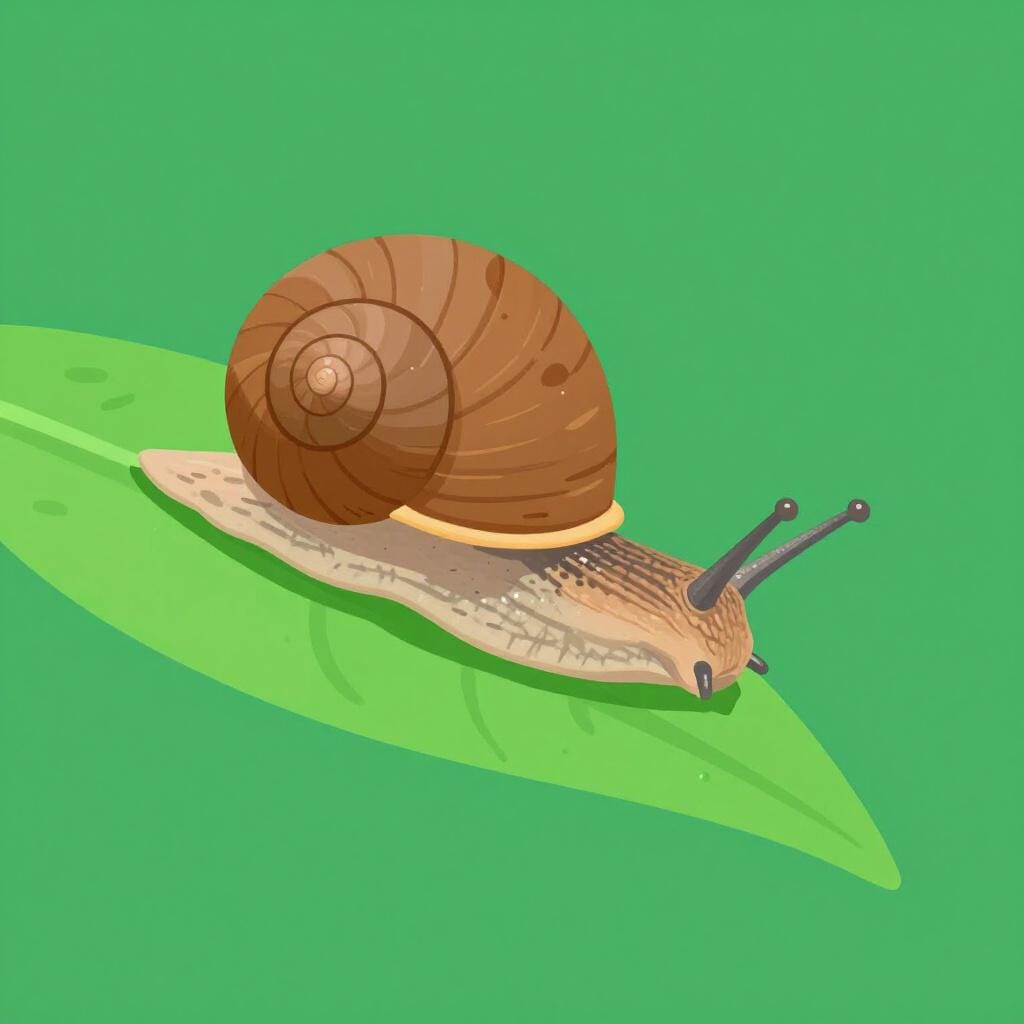
Hay un caracol pequeño en esa planta.
There is a small snail on that plant.
A mis hijos les gusta buscar caracoles en la orilla del mar.
My children like looking for seashells at the seashore.
Subimos a la torre por una escalera de caracol.
We went up the tower via a spiral staircase.
Always Masculine
In Spanish, 'caracol' is always a masculine word ('el caracol'). Even if you are talking about a female snail, the word itself doesn't change to 'caracola'—that actually means a different type of large seashell!
Using 'de caracol' as a Description
When you want to describe something that has a spiral shape, you simply add 'de caracol' after the object, like 'una escalera de caracol' (a spiral staircase).
Snail vs. Slug
Mistake: “Using 'caracol' for a slug.”
Correction: Use 'babosa' for a slug. Remember: 'caracol' has a house (shell), 'babosa' does not!
Confusing 'espiral' with 'caracol'
Learn Spanish with Inklingo
Interactive stories, personalized learning, and more.