How to Say "snail" in Spanish
The most common Spanish word for “snail” is “caracol” — use 'caracol' when referring to the small, slow-moving invertebrate animal that has a spiral shell.
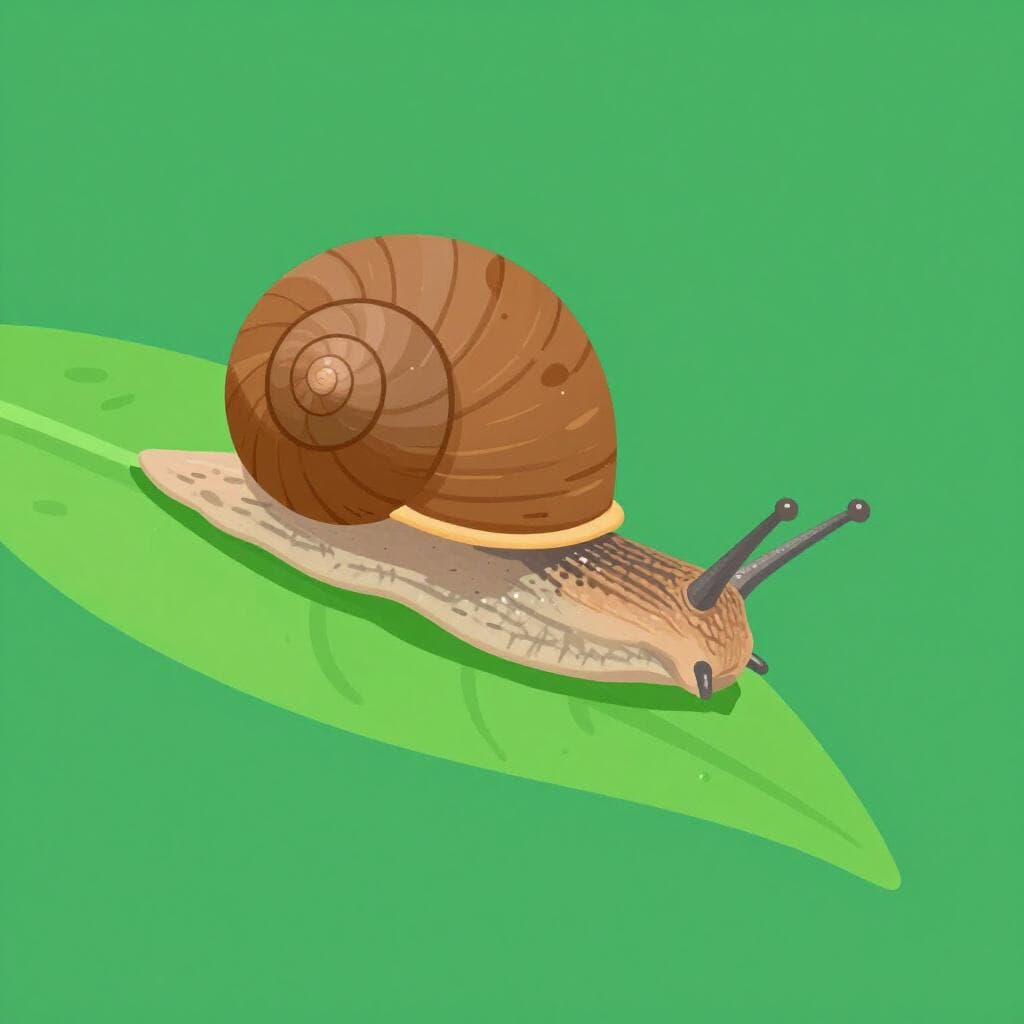

caracol
kah-rah-kohlkaɾaˈkol
Examples
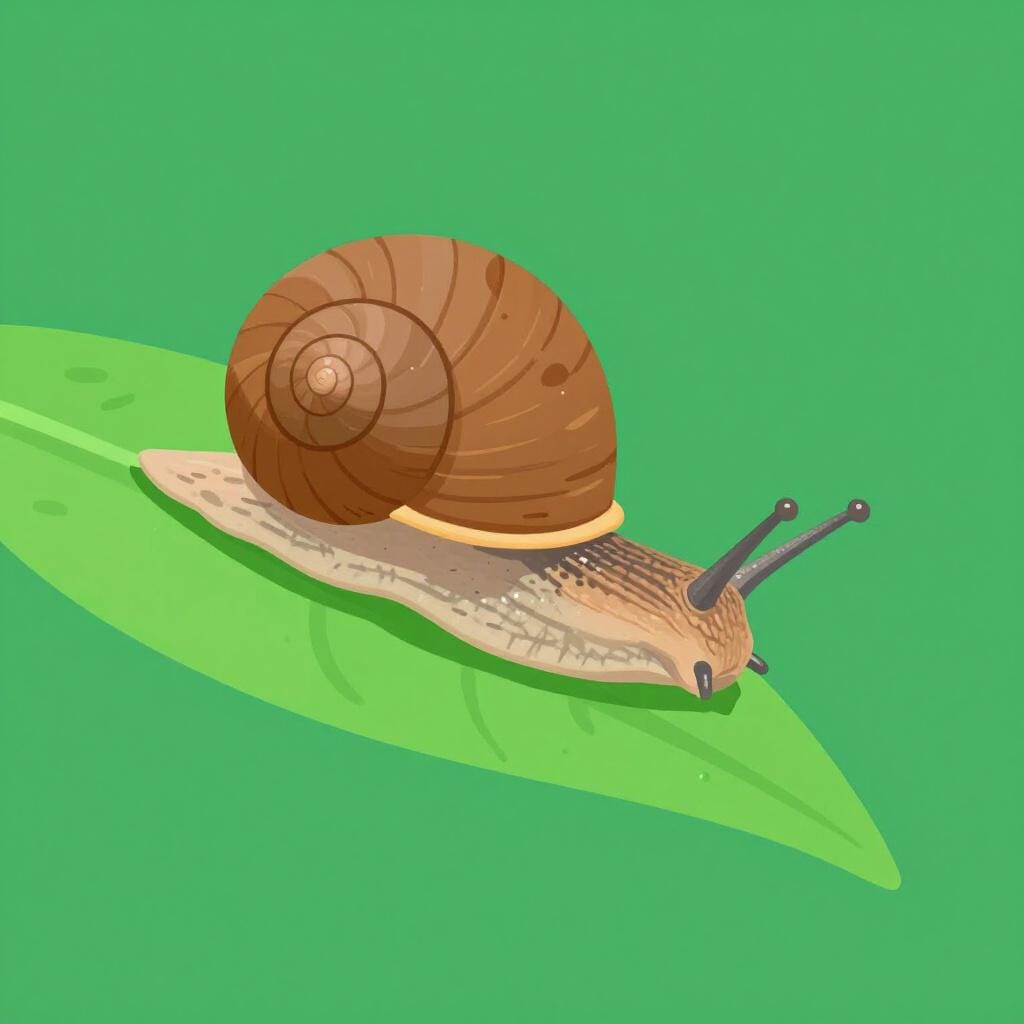
Vi un caracol en el jardín después de la lluvia.
I saw a snail in the garden after the rain.
Hay un caracol pequeño en esa planta.
There is a small snail on that plant.
A mis hijos les gusta buscar caracoles en la orilla del mar.
My children like looking for seashells at the seashore.
Subimos a la torre por una escalera de caracol.
We went up the tower via a spiral staircase.
Always Masculine
In Spanish, 'caracol' is always a masculine word ('el caracol'). Even if you are talking about a female snail, the word itself doesn't change to 'caracola'—that actually means a different type of large seashell!
Using 'de caracol' as a Description
When you want to describe something that has a spiral shape, you simply add 'de caracol' after the object, like 'una escalera de caracol' (a spiral staircase).
Snail vs. Slug
Mistake: “Using 'caracol' for a slug.”
Correction: Use 'babosa' for a slug. Remember: 'caracol' has a house (shell), 'babosa' does not!
tortuga
tor-TOO-gahtoɾˈtu.ɣa

Examples
Vamos, apúrate, ¡no seas una tortuga!
Come on, hurry up, don't be such a slowpoke!
¡Apúrate, no seas una tortuga!
Hurry up, don't be such a slowpoke!
Mi computadora es una tortuga hoy.
My computer is a snail today.
El tráfico es una tortuga a esta hora.
Traffic is at a crawl at this hour.
Describing Men as Turtles
Even when you are calling a man a 'slowpoke,' you still use the feminine article: 'Eres UNA tortuga.' The word doesn't change to match the person's gender.
Using 'Lento' vs 'Tortuga'
Mistake: “Él es tortuga.”
Correction: Él es UNA tortuga. When using the noun metaphorically, you need the article 'una'.
Literal vs. Figurative Use
Learn Spanish with Inklingo
Interactive stories, personalized learning, and more.