etcétera
“etcétera” means “etcetera” in Spanish (used at the end of a list).
etceteraAlso: and so on, and the rest
📝 In Action
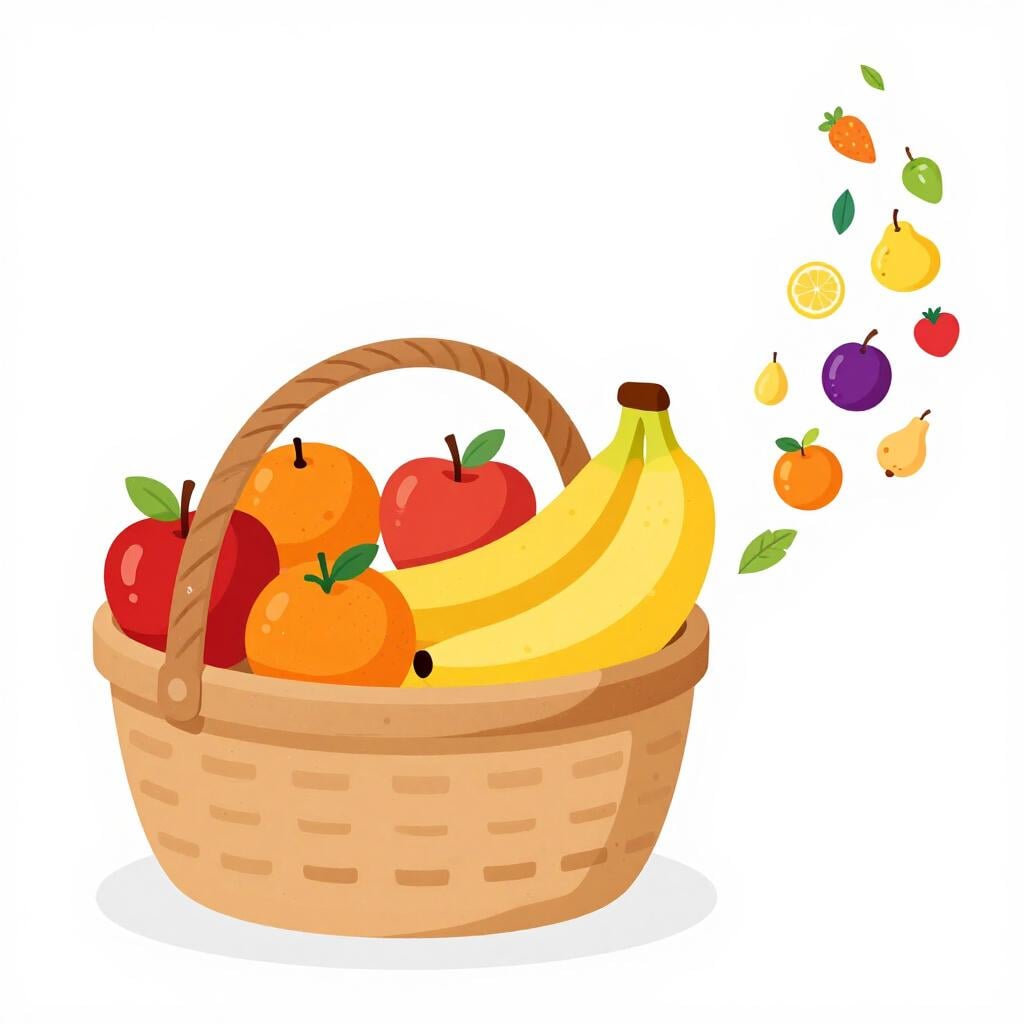
Compré fruta: manzanas, peras, naranjas, etcétera.
A1I bought fruit: apples, pears, oranges, etc.
En la fiesta hubo música, baile, comida, etcétera.
A2At the party, there was music, dancing, food, and so on.
La crisis afectó a la industria, al comercio y un largo etcétera.
B2The crisis affected industry, commerce, and a long list of other things.
Word Connections
Translate to Spanish
Words that translate to "etcétera" in Spanish:
✏️ Quick Practice
Quick Quiz: etcétera
Question 1 of 3
Which of these is the correct way to use the word in a list?
📚 More Resources
👥 Word Family
🎵 Rhymes
📚 Etymology
From the Latin phrase 'et cetera', where 'et' means 'and' and 'cetera' means 'the rest'.
First recorded: 13th century
Cognates (Related words)
💡 Master Spanish
Take your Spanish to the next level. Read 200+ illustrated and narrated Spanish stories tailored to your level with the Inklingo app!
Frequently Asked Questions
Do I need a period after 'etcétera'?
If you write the full word 'etcétera', you only use a period if it's the end of the sentence. If you use the abbreviation 'etc.', you must always include the period.
Can I use it for people?
It is generally better to use 'y otros' or 'y demás' when referring to people. 'Etcétera' is usually reserved for objects or ideas.
Can I say 'etcétera' more than once for emphasis?
Yes! Just like in English 'etcetera, etcetera', you can say 'etcétera, etcétera' to imply a very long, repetitive, or obvious list.