reliquia
“reliquia” means “heirloom” in Spanish. It has 2 different meanings depending on context:

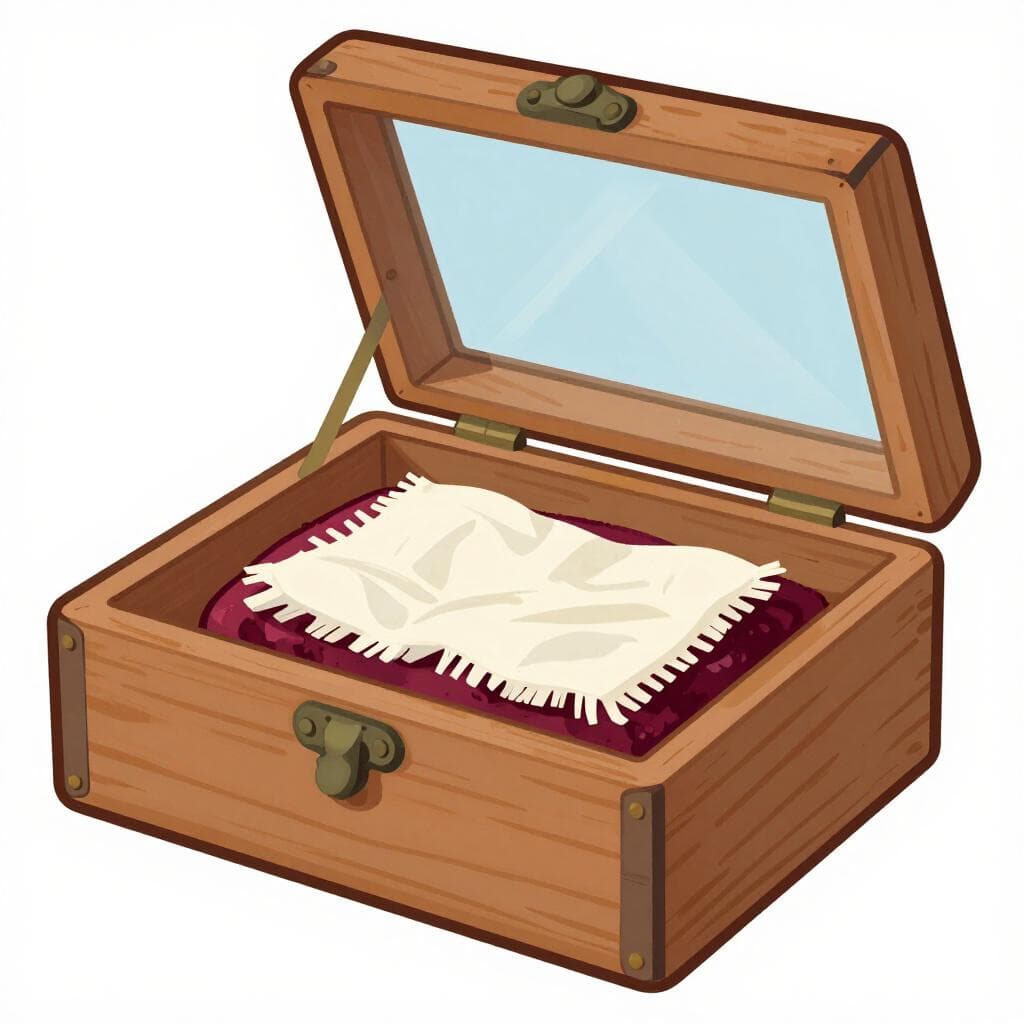
heirloom
Also: antique, treasure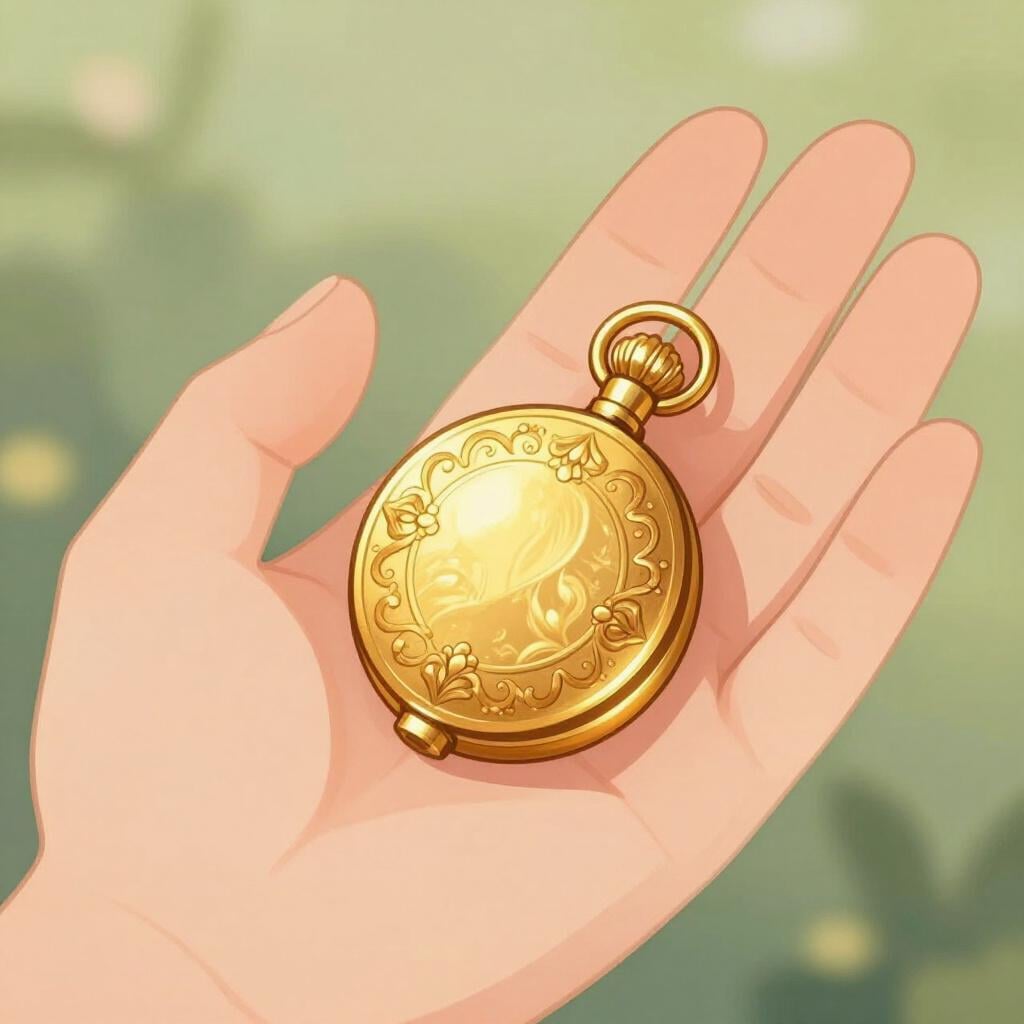
📝 In Action
Este reloj es una reliquia de mi abuelo.
A2This watch is an heirloom from my grandfather.
Ese coche viejo es una verdadera reliquia; ¡todavía funciona!
B1That old car is a real antique; it still works!
Guardo sus cartas como si fueran una reliquia.
B2I keep his letters as if they were a treasure.
relic
Also: remnant
📝 In Action
La catedral exhibe una reliquia de San Pedro.
B2The cathedral displays a relic of Saint Peter.
Los arqueólogos encontraron reliquias de la civilización maya.
C1Archaeologists found remnants of the Mayan civilization.
Esta muralla es la última reliquia de la ciudad antigua.
C1This wall is the last remnant of the ancient city.
Translate to Spanish
✏️ Quick Practice
Quick Quiz: reliquia
Question 1 of 3
If you find your great-grandmother's wedding ring in a box, you would call it...
📚 More Resources
👥 Word Family▼
📚 Etymology▼
From the Latin word 'reliquiae', which literally means 'the things that are left behind' or 'leftovers.'
First recorded: 13th century
Cognates (Related words)
💡 Master Spanish
Take your Spanish to the next level. Read 200+ illustrated and narrated Spanish stories tailored to your level with the Inklingo app!
Frequently Asked Questions
Is 'reliquia' only for religious things?
No. While it started with religion, today it is very common to use it for anything old and special, like a vintage car or a piece of jewelry.
How do I say 'family heirloom'?
The most natural way is 'una reliquia familiar'.
Can I use 'reliquia' for a person?
You can, but be careful! It's usually a joke or a light insult meaning they are 'from another era' or very old.