How to Say "relic" in Spanish
The most common Spanish word for “relic” is “fósil” — use 'fósil' when referring to the preserved remains of ancient organisms, like bones or imprints from prehistoric times.
fósil
Examples
El fósil de trilobite es muy antiguo.
The trilobite fossil is very old.
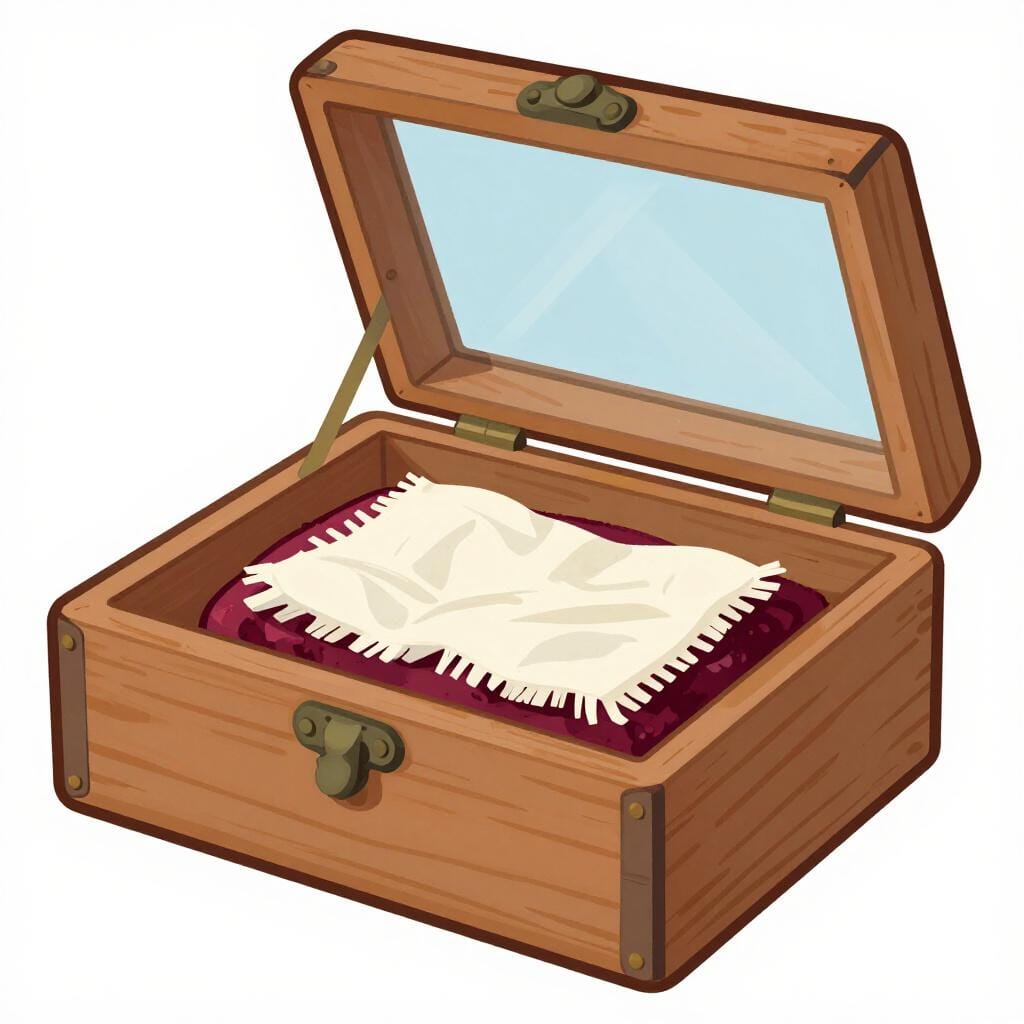
reliquia
reh-LEE-kyahreˈlikja
Examples
Los peregrinos visitaron la iglesia para ver la reliquia sagrada.
The pilgrims visited the church to see the sacred relic.
La catedral exhibe una reliquia de San Pedro.
The cathedral displays a relic of Saint Peter.
Los arqueólogos encontraron reliquias de la civilización maya.
Archaeologists found remnants of the Mayan civilization.
Esta muralla es la última reliquia de la ciudad antigua.
This wall is the last remnant of the ancient city.
Plural for Remains
When talking about archaeology or bits of history, the plural form 'reliquias' is more common, similar to how we say 'remains' in English.
Don't confuse with 'Relicario'
Mistake: “Puse la foto en la reliquia.”
Correction: Puse la foto en el relicario. (A 'reliquia' is the item itself; a 'relicario' is the locket or container that holds it.)
Fósil vs. Reliquia
Related Translations
Learn Spanish with Inklingo
Interactive stories, personalized learning, and more.