europeo
“europeo” means “European” in Spanish. It has 2 different meanings depending on context:
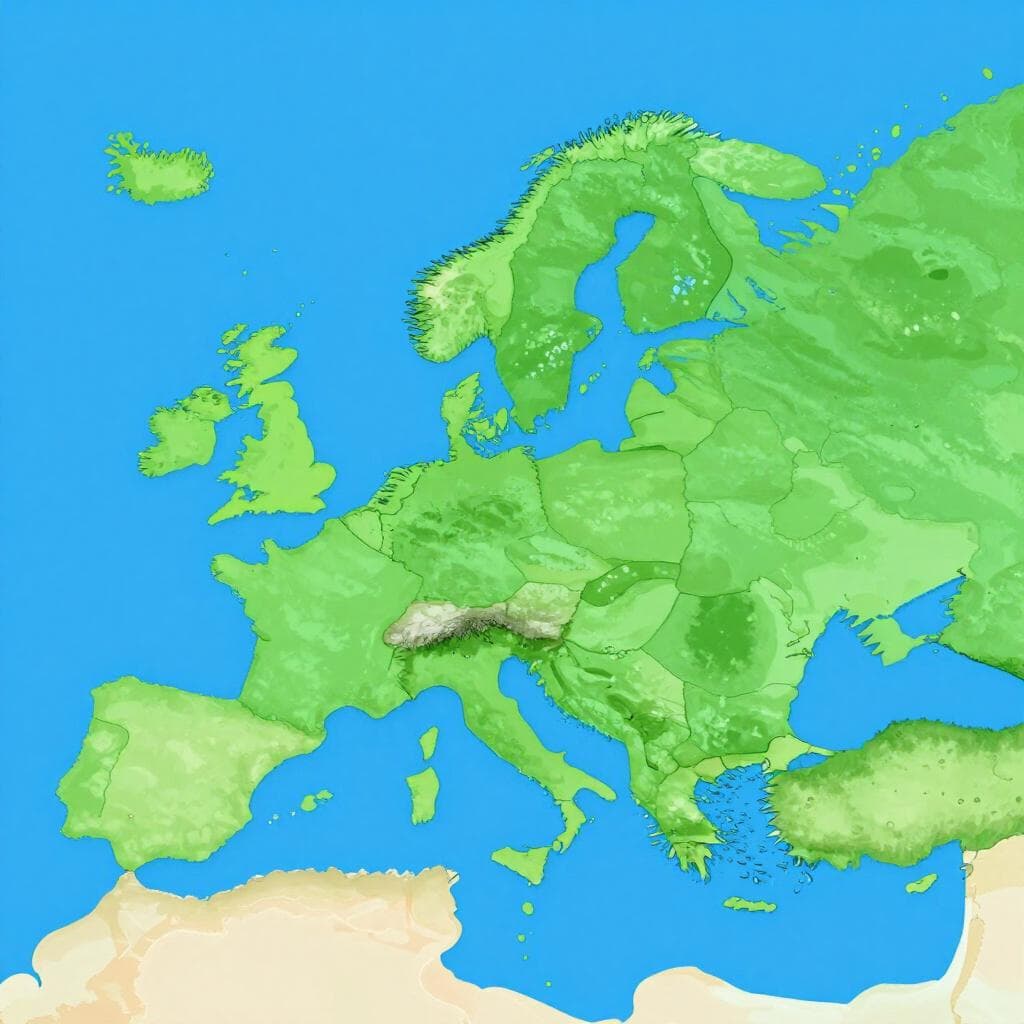

European
Also: of Europe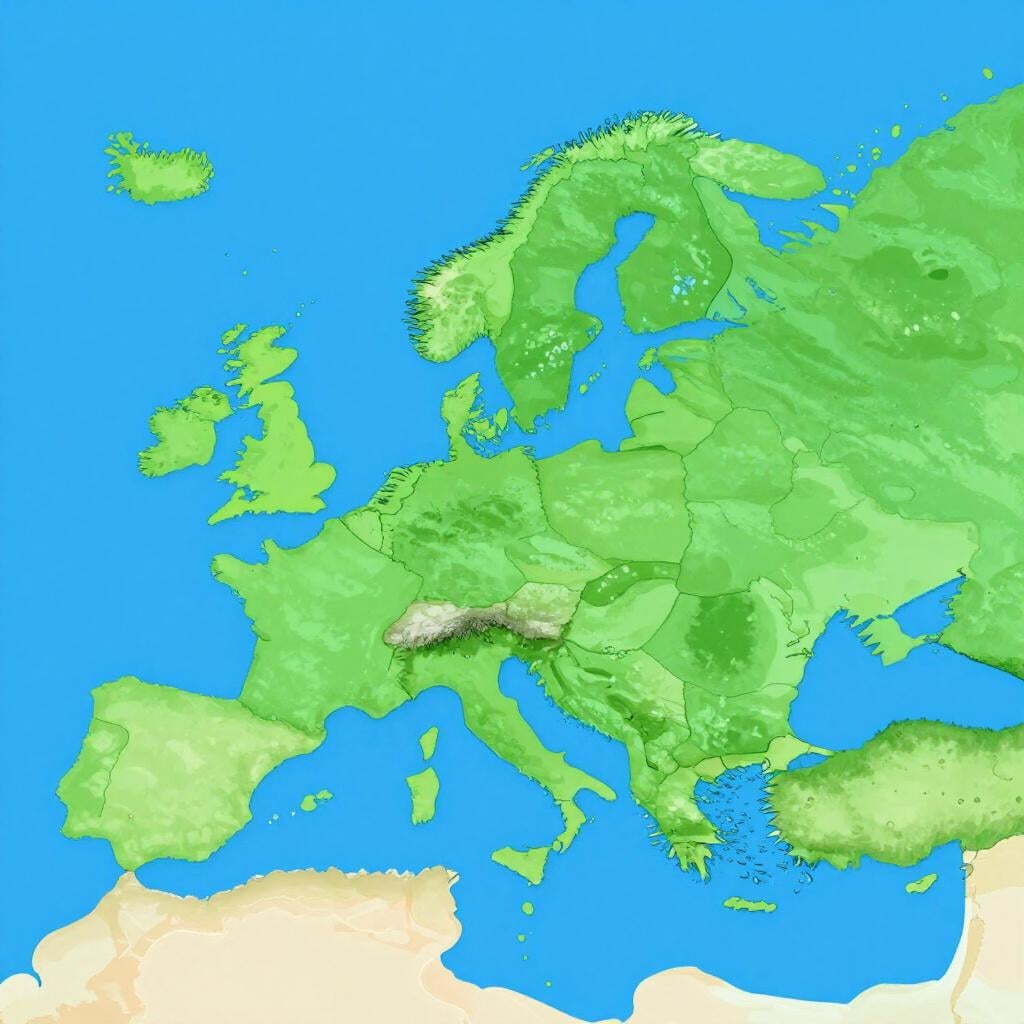
📝 In Action
Me gusta la cultura europea.
A2I like European culture.
Los países europeos tienen diferentes idiomas.
A2European countries have different languages.
Esta es una empresa europea.
B1This is a European company.
European
Also: European person
📝 In Action
Mi vecino es europeo.
A2My neighbor is European.
En esta escuela hay muchos europeos.
B1There are many Europeans at this school.
El europeo que conocí en París era muy amable.
B1The European I met in Paris was very kind.
Translate to Spanish
✏️ Quick Practice
Quick Quiz: europeo
Question 1 of 3
Which sentence correctly uses 'europeo'?
📚 More Resources
👥 Word Family▼
📚 Etymology▼
From Latin 'Europaeus', which comes from the ancient Greek name 'Europa' referring to the continent.
First recorded: Used since the Middle Ages
Cognates (Related words)
💡 Master Spanish
Take your Spanish to the next level. Read 200+ illustrated and narrated Spanish stories tailored to your level with the Inklingo app!
Frequently Asked Questions
What's the difference between 'europeo' and 'europea'?
'Europeo' is the masculine form, and 'europea' is the feminine form. They match the gender of whatever you're describing - 'chico europeo' (European boy) vs. 'chica europea' (European girl).
Can I use 'europeo' for specific countries like France or Italy?
Yes, but for specific nationalities, it's more common to use 'francés', 'italiano', etc. 'Europeo' is used when talking about Europe generally or when you don't know the specific country.
Do I need to capitalize 'europeo' in Spanish?
No, in Spanish, nationalities and adjectives like 'europeo' are not capitalized, unlike English where 'European' is capitalized.