evolución
“evolución” means “evolution” in Spanish. It has 2 different meanings depending on context:

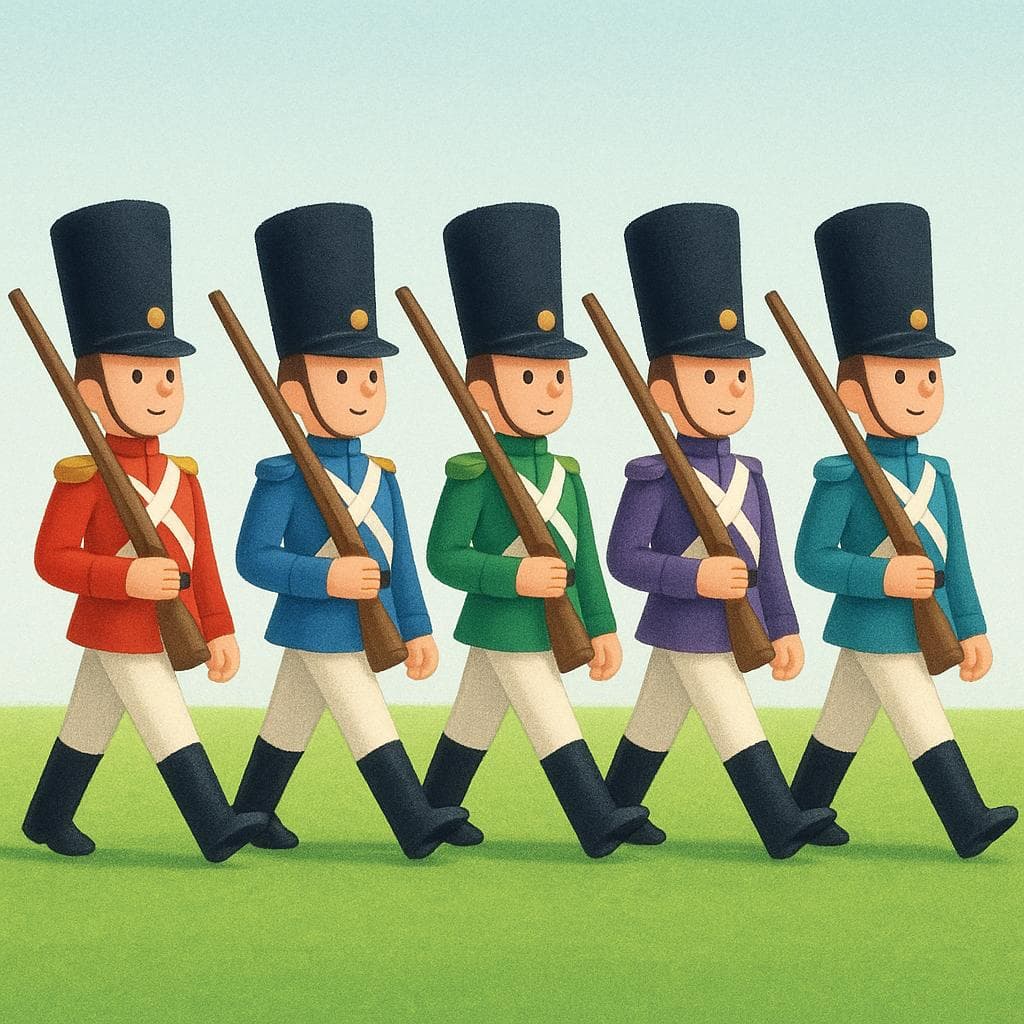
evolution
Also: development, progress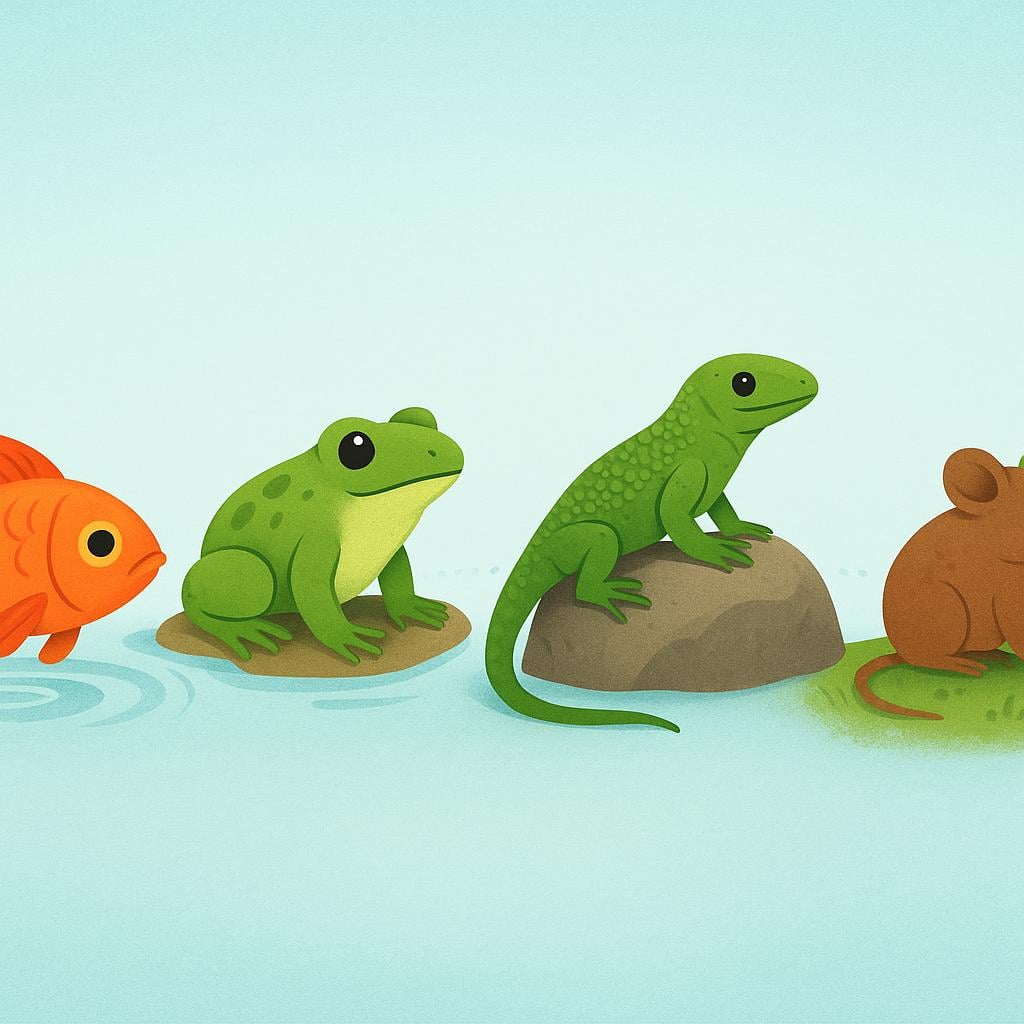
📝 In Action
La evolución de la tecnología ha cambiado nuestras vidas.
B1The evolution of technology has changed our lives.
El director notó una evolución positiva en el rendimiento del equipo.
B2The director noticed a positive development in the team's performance.
La teoría de la evolución explica cómo las especies cambian.
B2The theory of evolution explains how species change.
maneuver
Also: drill, movement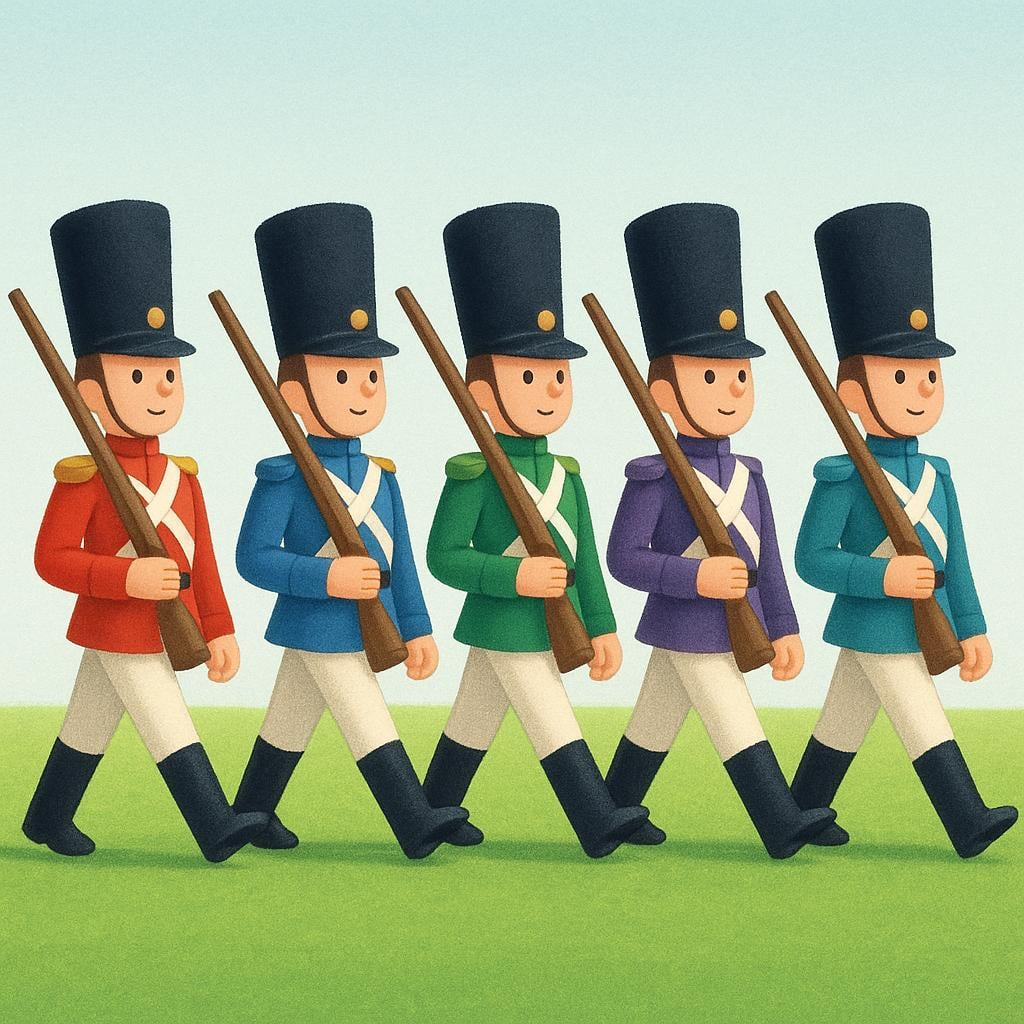
📝 In Action
El pelotón ejecutó una evolución perfecta en el campo de entrenamiento.
C1The platoon executed a perfect maneuver on the training field.
La coreografía incluía una evolución grupal muy compleja.
C1The choreography included a very complex group movement.
✏️ Quick Practice
Quick Quiz: evolución
Question 1 of 1
¿Cuál de estas oraciones usa 'evolución' en el sentido de 'un cambio o desarrollo gradual'?
📚 More Resources
👥 Word Family▼
🎵 Rhymes▼
📚 Etymology▼
Comes from the Latin word *evolutio*, which meant 'unrolling' or 'unfolding,' referencing the idea of something gradually revealing itself or developing over time.
First recorded: 15th century (adopted into Spanish in its modern sense later)
Cognates (Related words)
💡 Master Spanish
Take your Spanish to the next level. Read 200+ illustrated and narrated Spanish stories tailored to your level with the Inklingo app!
Frequently Asked Questions
¿Cómo puedo recordar que 'evolución' es femenino?
A great trick is that almost every noun in Spanish ending in -ción is feminine. Just remember *la* evolución, *la* nación, *la* comunicación. This pattern is very reliable!
¿Es 'evolución' solo para la ciencia?
No, while it is key in biology (Darwin's theory), Spanish speakers use it every day to talk about how a project, a relationship, a skill, or a business is developing and changing over time.