exclusión
“exclusión” means “exclusion” in Spanish. It has 2 different meanings depending on context:

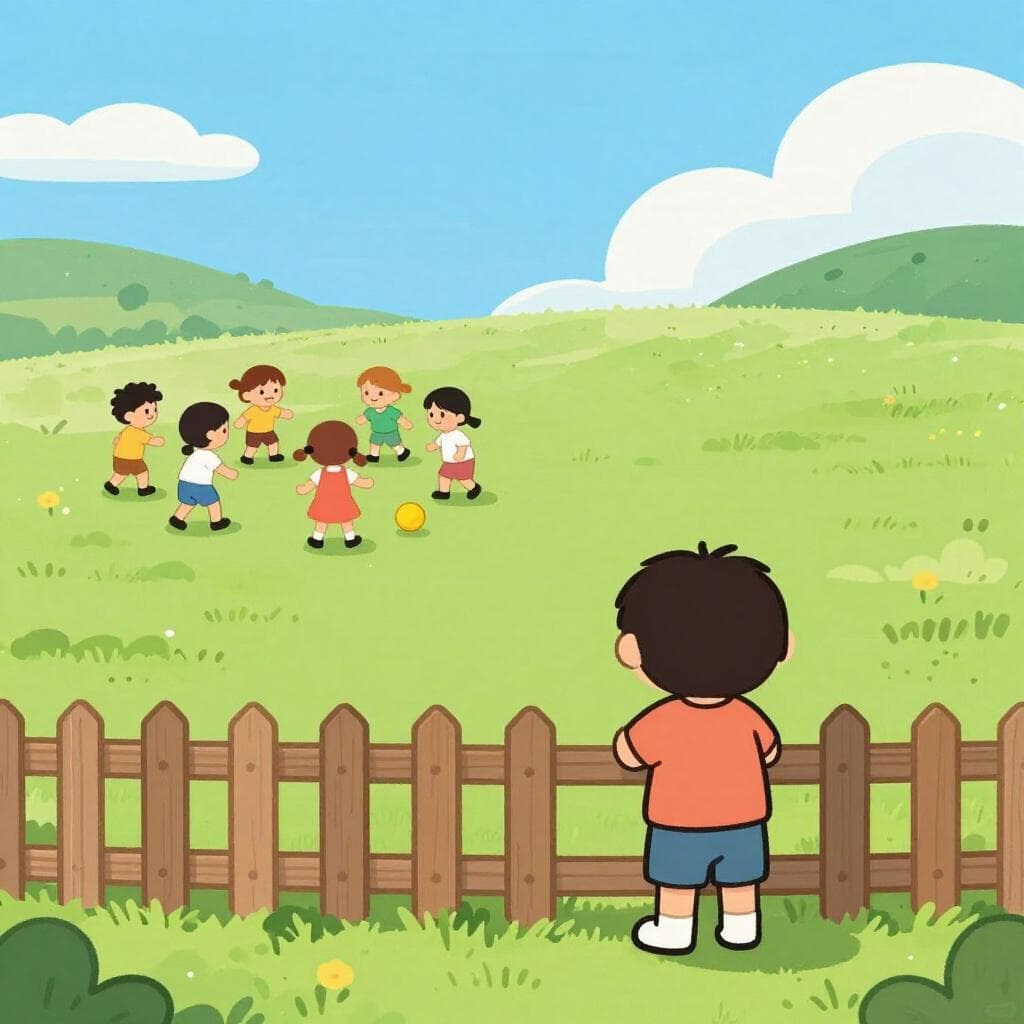
exclusion
Also: omission
📝 In Action
La exclusión de su nombre en la lista fue un error.
A2The exclusion of his name from the list was a mistake.
Esta dieta requiere la exclusión total del azúcar.
B1This diet requires the total exclusion of sugar.
La exclusión de participantes menores de edad es obligatoria por ley.
B2The exclusion of underage participants is mandatory by law.
social exclusion
Also: marginalization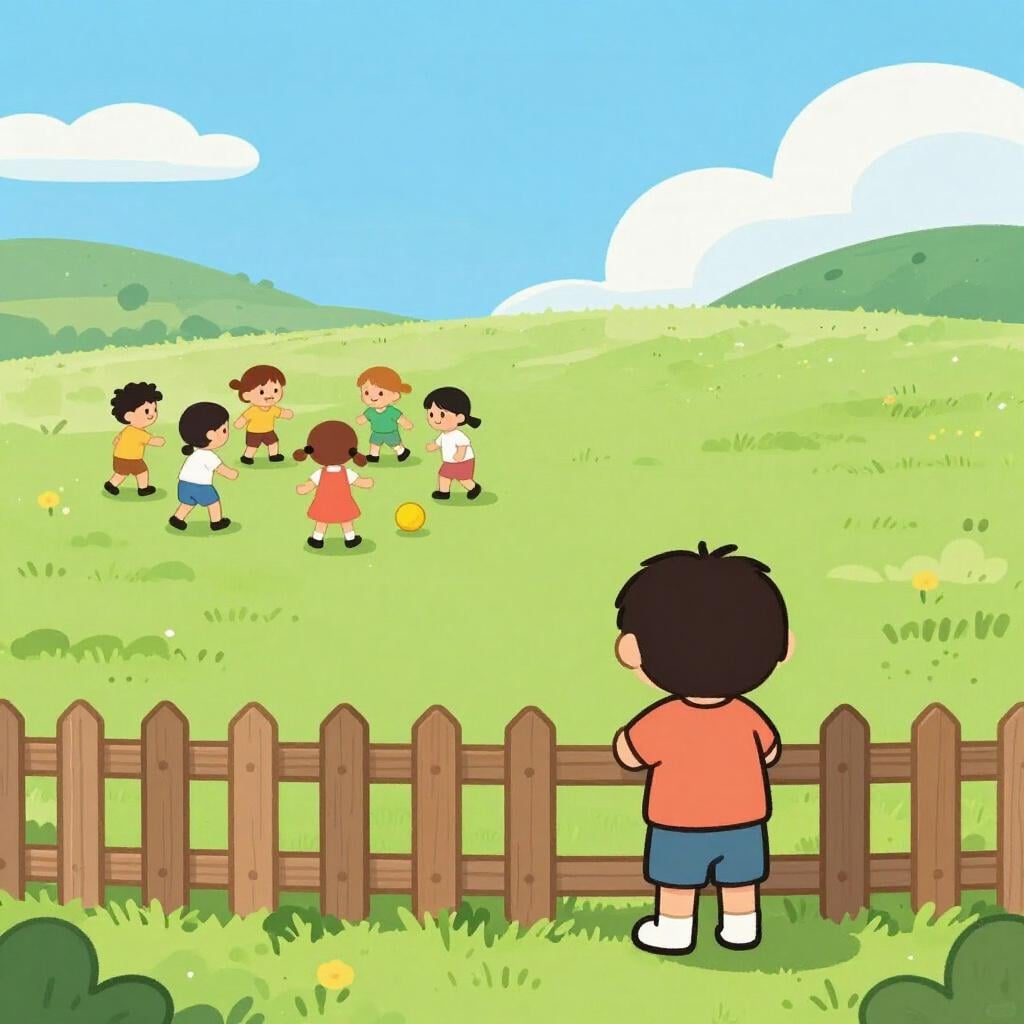
📝 In Action
Luchamos contra la exclusión social en las grandes ciudades.
B1We fight against social exclusion in big cities.
La falta de internet puede causar exclusión digital.
B2Lack of internet can cause digital exclusion.
Muchos jóvenes sufren de exclusión laboral por falta de experiencia.
C1Many young people suffer from job exclusion due to a lack of experience.
Translate to Spanish
✏️ Quick Practice
Quick Quiz: exclusión
Question 1 of 3
Which of these is the correct way to say 'the exclusion'?
📚 More Resources
👥 Word Family▼
🎵 Rhymes▼
📚 Etymology▼
From the Latin word 'exclusio,' which combines 'ex' (out) and 'claudere' (to shut or close). It literally means 'to shut the door on something.'
First recorded: 15th century
Cognates (Related words)
💡 Master Spanish
Take your Spanish to the next level. Read 200+ illustrated and narrated Spanish stories tailored to your level with the Inklingo app!
Frequently Asked Questions
Does 'exclusión' always mean something bad?
Usually, yes, as it implies leaving someone or something out. However, in logic or science, it can simply mean a neutral rule to separate data.
How do you say 'mutually exclusive' in Spanish?
The common phrase is 'mutuamente excluyentes'.
Is the 'x' in 'exclusión' pronounced like an 's'?
In many Spanish-speaking regions, especially in fast speech, the 'x' sounds like an 's' (es-cloo-syon), but in formal speech, it sounds more like 'ks'.